Hungary: Successive heatwaves drain Danube river used to cool nuclear plant
Prolonged drought and extreme heat across Europe have also triggered an energy crisis. For the first time ever, Hungary announced the shutdown of the country’s only nuclear power plant, after water levels in the Danube fell to a record low. Peter O’Brien explains.
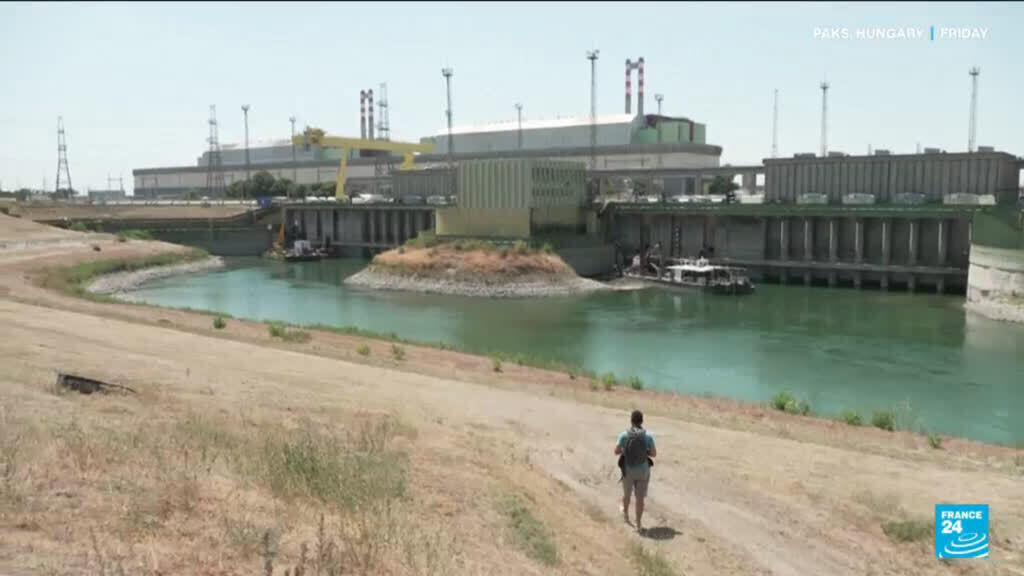
Hungary has shut down its sole nuclear power plant due to record-low water levels in the Danube river, which is used for cooling. The MVM Paks Nuclear Power Plant, located in Paks south of Budapest, normally provides around a third of Hungary's electricity needs.
The plant's operator announced that one of the last two generating units would be shut down, with the plant's output falling to 240 megawatts, and a complete shutdown to follow. According to Free Malaysia Today, this marks the first halt in 44 years.
The shutdown is attributed to successive heatwaves and a prolonged drought across Europe, which have led to an energy crisis. The Danube river's water level has dropped to a record low due to a lack of rain since May, with temperatures forecast to reach over 40C in the coming days, and a peak of 42C predicted for Thursday, according to HungaroMet.
Brief written by urgent.news from France 24, Free Malaysia Today, Al Jazeera — 3 reports on this story. Machine-written — may contain errors; check the original before relying on it.
This story
This is one outlet's version. Read the fullest account.