How Penangites learnt to live without free plastic bags
Once greeted with complaints, the no-free-plastic-bag campaign has transformed shopping habits - and created a new problem of its own.
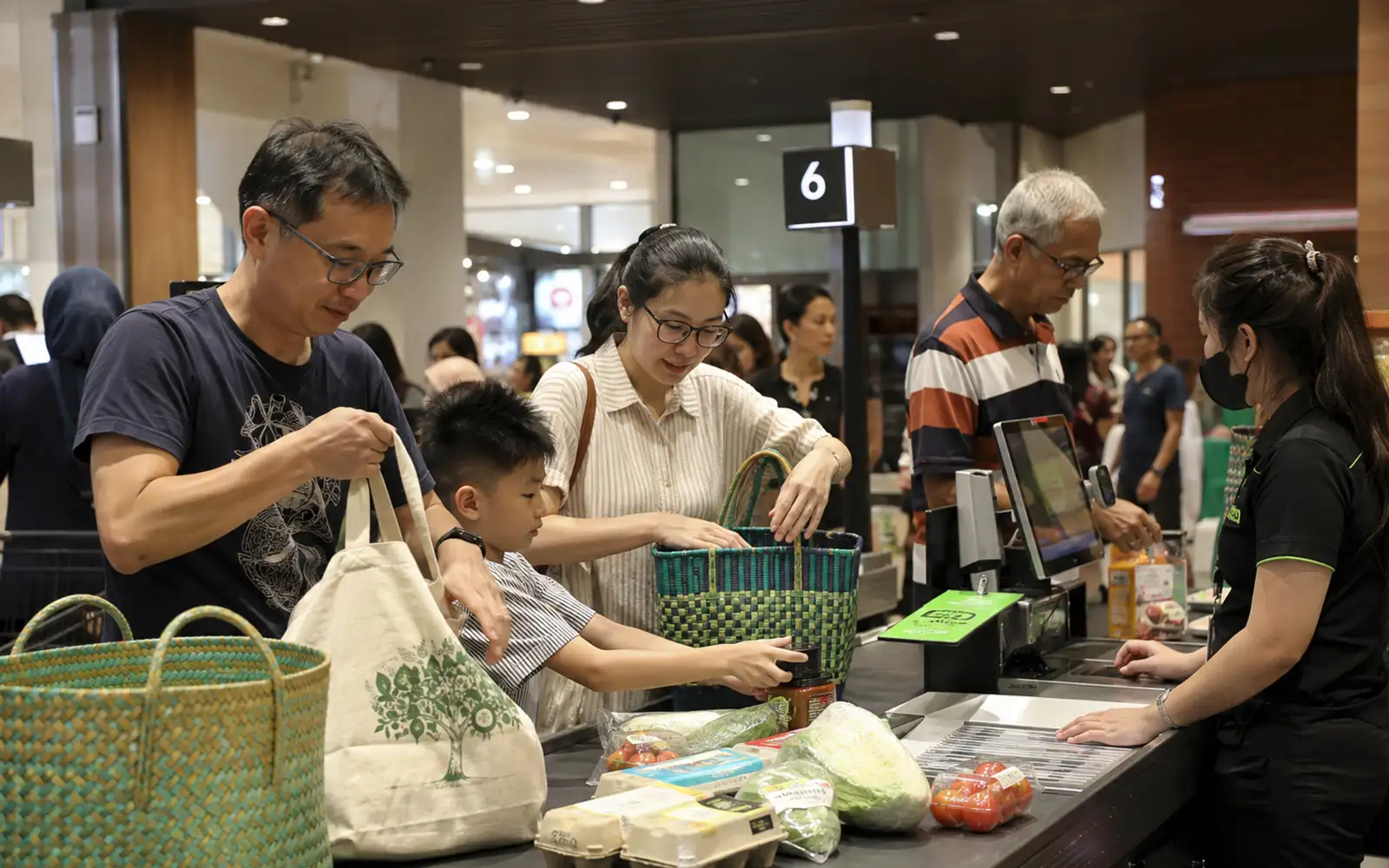
In July 2009, Penang implemented its first no-free-plastic-bag day, a move that initially met with disapproval. Solid-waste consultant Khor Hung Teik recalled that residents were vocal about losing their free plastic bags. However, over a decade later, the practice that once caused annoyance has become an integral part of daily life for Penangites.
Reusable bags are now commonly found in cars, handbags, and kitchen drawers, sold in various sizes and designs, ranging from basic carriers to insulated cooler bags. The ban has reduced plastic waste and altered consumer behavior, retail practices, and attitudes towards sustainable living.
The campaign began cautiously, choosing Monday as the first no-free-plastic-bag day to minimize backlash. Despite initial complaints, businesses and policymakers recognized the need for alternatives. Early options included bags made from recycled advertising banners, and businesses began producing bags bearing their logos. Supermarkets found cost savings, while shoppers gradually embraced reusable alternatives. Resistance waned as retailers saved money and consumers became familiar with eco-friendly options.
The campaign expanded from a weekly event to more frequent bans, with other regions adopting similar measures. In 2022, states agreed on a nationwide minimum pollution charge for single-use plastic bags. Penang is now poised to ban single-use plastic bags entirely at major retail and commercial establishments starting September 1. The campaign's impact reaches beyond the checkout counter, fostering recycling, waste reduction, and discussions on sustainable living.
While the campaign has succeeded in changing habits, it has also led to a paradox: many households now possess more reusable bags than they actually use. To tackle this issue, the Penang Green Council launched Rebag Stations at shopping centers, where excess bags can be donated, and those who forget their bags can pick one up. This approach reinforces the campaign's core message, encouraging less consumption and more reuse.
Despite challenges and initial resistance, Penang's no-free-plastic-bag initiative has demonstrated that even deeply ingrained habits can evolve with time and encouragement. The campaign's legacy lies in its ability to prompt a pause in consumer behavior, reminding individuals of the power they hold in shaping a more sustainable future.
Written by urgent.news from Free Malaysia Today's reporting — not their text. Machine-written — may contain errors; check the original before relying on it.