Heavy silt in Pazhassi dam disrupts drinking water treatment
High turbidity in the Pazhassi dam following intense rain and landslips disrupted drinking water treatment, reducing water supply to Kannur town and adjoining areas
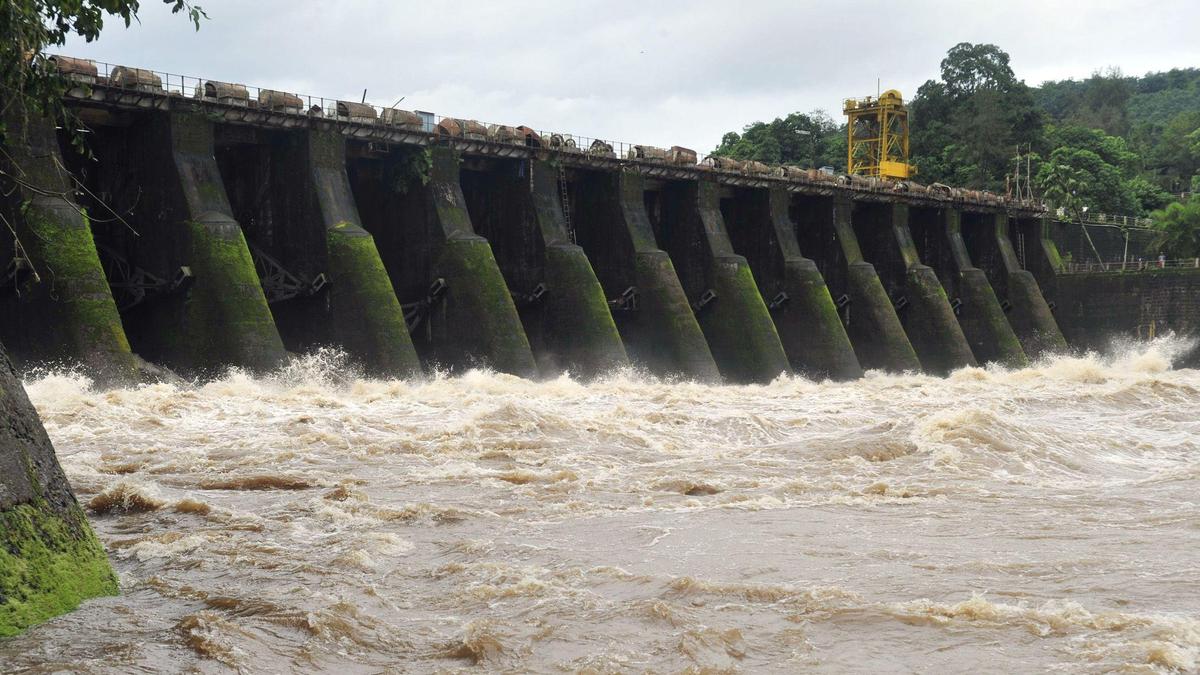
Heavy silt entering the Pazhassi dam due to intense rain and landslips disrupted drinking water treatment on Sunday, reducing water supply to parts of Kannur and surrounding areas. The Kerala Water Authority (KWA) stated the issue was not contamination but unusually high turbidity caused by excess mud content in the raw water. Water could only be treated safely once turbidity levels dropped below 50 Nephelometric Turbidity Units (NTU).
At the Pazhassi water treatment plant, turbidity measured around 125 NTU, which is too high for efficient treatment, as lower NTU values indicate clearer water. KWA officials explained that when turbidity is very high, treatment capacity drops sharply and filters clog quickly. Water treatment was suspended after tests on Saturday showed excessive turbidity, and engineers are monitoring the situation hourly.
The Pazhassi treatment plant supplies approximately 30 million liters of drinking water daily to Kannur town and nearby areas. The disruption affected water supply in these regions. Muddy water resulted from landslides and heavy runoff in Karnataka's forested upper catchments feeding the Pazhassi dam. Continued rainfall could prolong the problem as it keeps turbidity levels high.
Officials advised consumers to use stored water until normal pumping resumes and warned the situation would improve once raw water became clearer.
Written by urgent.news from The Hindu's reporting — not their text. Machine-written — may contain errors; check the original before relying on it.