GLP-1 drugs like Ozempic might help clear Alzheimer’s disease plaques, new review suggests
A recent review in Molecular and Cellular Neuroscience suggests that popular weight-loss and diabetes drugs might help clear brain proteins associated with Alzheimer's disease. While animal studies show promise, human data remains limited.
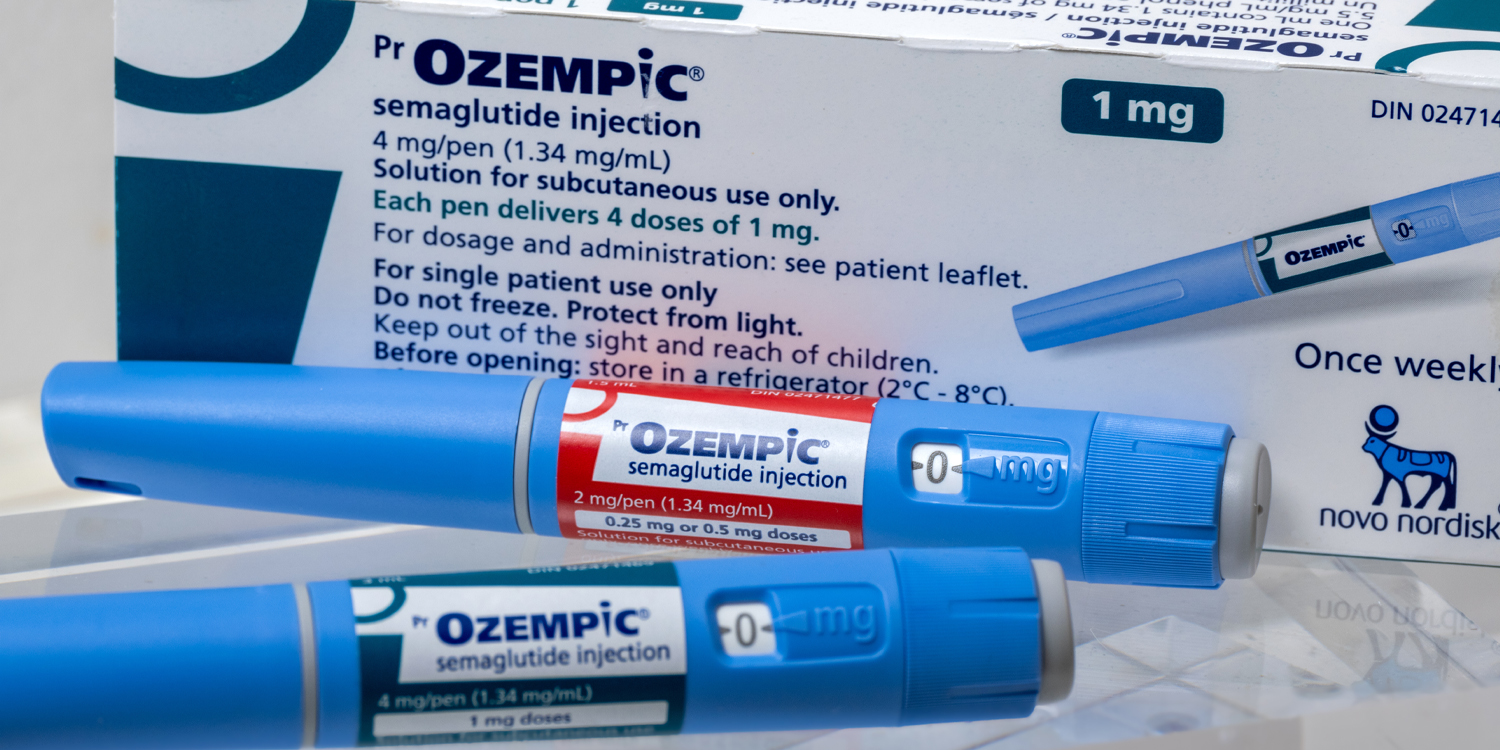
A recent review published in Molecular and Cellular Neuroscience suggests that GLP-1 receptor agonists, a class of diabetes and weight-loss medications, may help reduce Alzheimer's disease biomarkers. By analyzing dozens of laboratory and animal studies, researchers found that these drugs consistently lower the brain proteins responsible for Alzheimer's progression.
While the findings provide evidence for a promising avenue in future prevention efforts, data in human patients remains limited. Alzheimer's disease is characterized by amyloid-beta plaques and neurofibrillary tangles, with a strong biological connection between type 2 diabetes and the disease. GLP-1 receptor agonists, such as semaglutide and liraglutide, are already used to treat diabetes and obesity and work by mimicking a natural hormone that prompts the body to produce insulin.
The review found that liraglutide, in particular, was consistently effective in lowering amyloid-beta and tau proteins in preclinical studies involving animal and cell models.
Brief written by urgent.news from PsyPost's own syndicated text. Machine-written — may contain errors; check the original before relying on it.