First impressions count as Chinese buyers open their homes to UBTech’s consumer humanoids
When 39-year-old Beijing investor Song shelled out 159,800 yuan (US$23,680) for a companion robot, he knew it would not be cooking meals or scrubbing floors. For him, becoming one of China’s first owners of a consumer humanoid was more about embracing the cutting edge. “The happiest part is often the waiting,” Song said of his decision to buy the female version of the U1 Pro, made by…
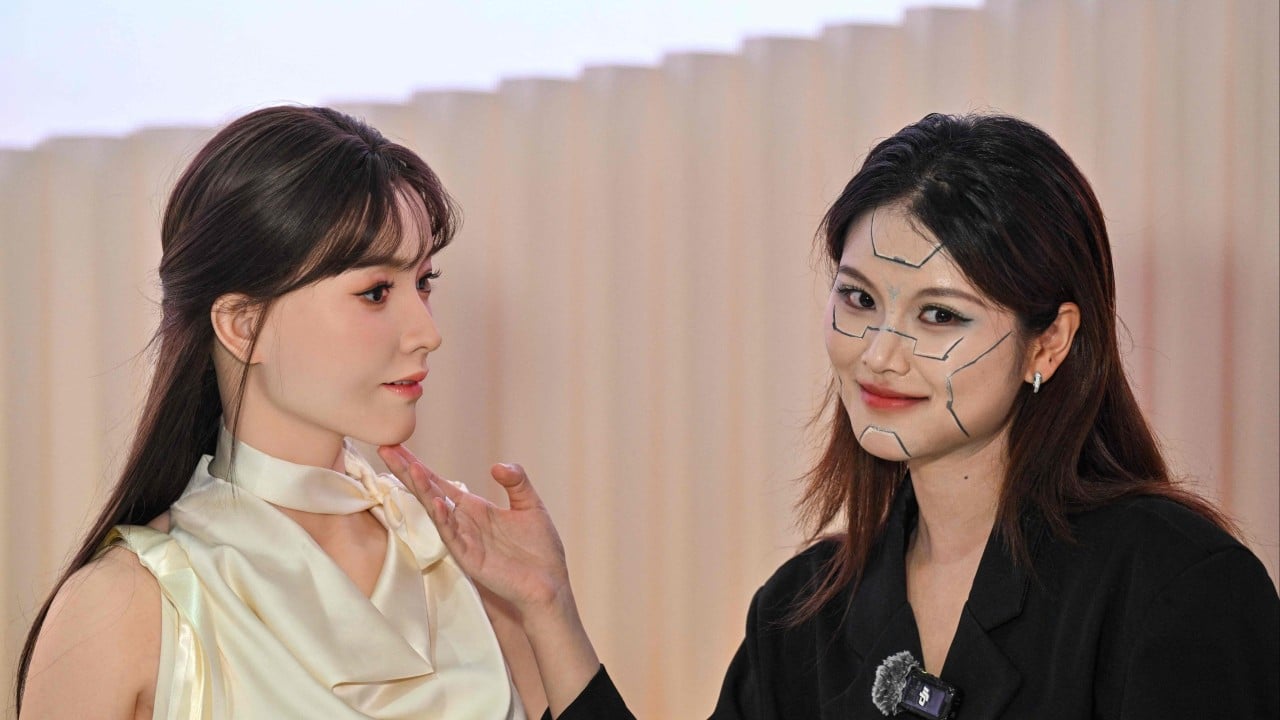
In a bold move, Chinese investor Song paid 159,800 yuan (US$23,680) for one of the earliest consumer humanoids, a female U1 Pro model from Shenzhen-based UBTech Robotics. The $23,680 investment was motivated by his desire to be among the first to experience the latest in humanoid robotics technology. Song noted that the most gratifying aspect of owning the robot is the wait.
Humanoid robots have traditionally been limited to factory floors and assembly lines, but Chinese firms are now exploring the possibility of integrating these machines into living spaces. Unlike their industrial counterparts designed for repetitive tasks, household humanoids must navigate unpredictable environments, interact naturally with people, and eventually provide meaningful companionship or even perform domestic chores.
UBTech Robotics is one of the pioneering companies in this sector. Their U1 series of consumer humanoids has seen a staggering 13,361 orders by June 30, just a month after pre-sales began in early June. Initial deliveries are set to commence on September 16. The lineup includes three models - Lite, Pro and Ultra - ranging from partial-body units to full-sized humanoids with prices spanning from 119,800 yuan to 990,000 yuan.
The primary goal of these emotional companions is to provide facial expressions, voice interaction and AI-driven conversations. For some buyers, the allure lies in early technological adoption rather than practical utility. 30-year-old tech enthusiast Yang from Yunnan province purchased a female U1 Pro and admitted modest expectations, stating he doesn't anticipate high returns but is committed to keeping the robot.
In contrast, 28-year-old buyer An from Zhejiang province expressed disappointment after the June launch event, which showcased limited physical capabilities. Ma from Jiangsu also requested a refund following the event.
These contrasting reactions underscore the industry's challenge: consumers are being asked to embrace a vision before the robots can fulfill everyday domestic tasks. UBTech CEO Zhou Jian acknowledged these limitations, stating emotional interaction serves as a realistic starting point while physical capabilities improve. With advancements in AI, robots can achieve companionship through large language models and emotional AI models.
Eventually, integrating household tasks like cleaning, laundry, and cooking could be achieved through emotional interaction, according to Zhou. Despite the hurdles, market analysts see significant long-term potential driven by demographic shifts such as aging populations, declining birth rates, and the growth of single-person households.
The companionship economy is projected to reach US$1.1 billion by 2030, according to TrendForce research. Investors argue that domestic robots could eventually surpass the industrial market by overcoming traditional barriers to home help, including privacy concerns and personal friction.
Written by urgent.news from SCMP Business's reporting — not their text. Machine-written — may contain errors; check the original before relying on it.
This story
This is one outlet's version. Read the fullest account.