First impressions count as Chinese buyers open their homes to UBTech’s consumer humanoids
When 39-year-old Beijing investor Song shelled out 159,800 yuan (US$23,680) for a companion robot, he knew it would not be cooking meals or scrubbing floors. For him, becoming one of China’s first owners of a consumer humanoid was more about embracing the cutting edge. “The happiest part is often the waiting,” Song said of his decision to buy the female version of the U1 Pro, made by…
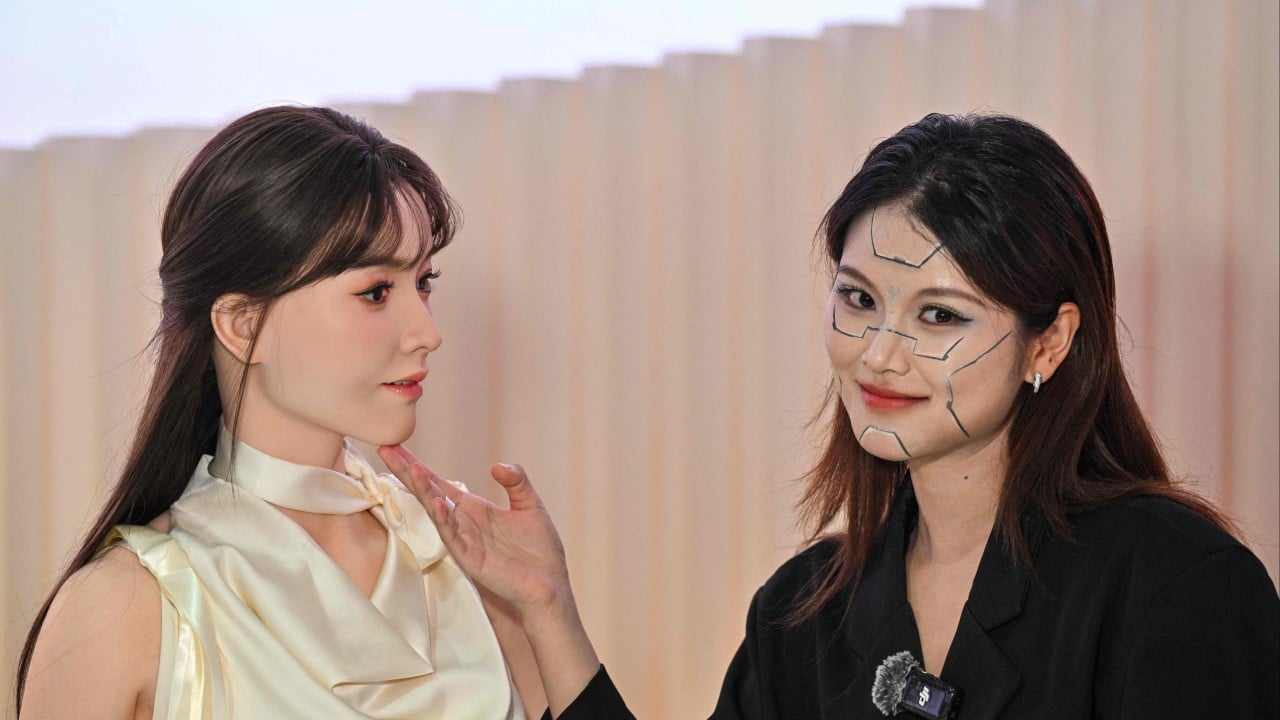
In a pioneering move, a 39-year-old Beijing investor named Song became one of the first Chinese individuals to purchase a consumer humanoid robot, the U1 Pro from Shenzhen-based UBTech Robotics, for the sum of 159,800 yuan (~$23,680). The allure for Song lay not in the robot's ability to cook meals or clean floors, but rather in being among the few to own such a cutting-edge piece of technology.
"The happiest part is often the waiting," Song remarked on his decision to invest in the female version of the U1 Pro. The robotics industry in China is currently exploring the potential of consumer humanoids, which must be able to navigate complex environments, interact naturally with people, and ultimately provide real value as companions or even domestic helpers.
UBTech is leading the charge in this venture, having secured 13,361 orders for its U1 series just a month after pre-sales commenced in early June. The lineup includes three models – Lite, Pro, and Ultra – with prices ranging from 119,800 yuan to 990,000 yuan. The robots are designed primarily for emotional companionship, featuring facial expressions, voice interaction, and AI-driven conversations.
While some early buyers, like tech enthusiast Yang and investor Zebin Wang, are excited about being at the forefront of technological advancement, others, such as An and Ma, expressed disappointment after the launch event, which showcased limited demonstrations of the robot's physical capabilities. UBTech founder and CEO Zhou Jian conceded that the current technology falls short of meeting all expectations, but believes that emotional interaction represents a realistic starting point while physical capabilities continue to improve.
Recognizing the potential market, Wang predicts that the companionship economy driven by ageing populations, falling birth rates, and the rise of single-person households could reach $1.1 billion by 2030, with domestic robots eventually surpassing the current industrial market for household robots.
Written by urgent.news from SCMP Tech's reporting — not their text. Machine-written — may contain errors; check the original before relying on it.
This story
This is one outlet's version. Read the fullest account.