FIFA and Infantino face an uncertain future as leading soccer nations fight for change
Recent FIFA controversies have exposed structural tensions within world soccer, which may result in significant change at the top.
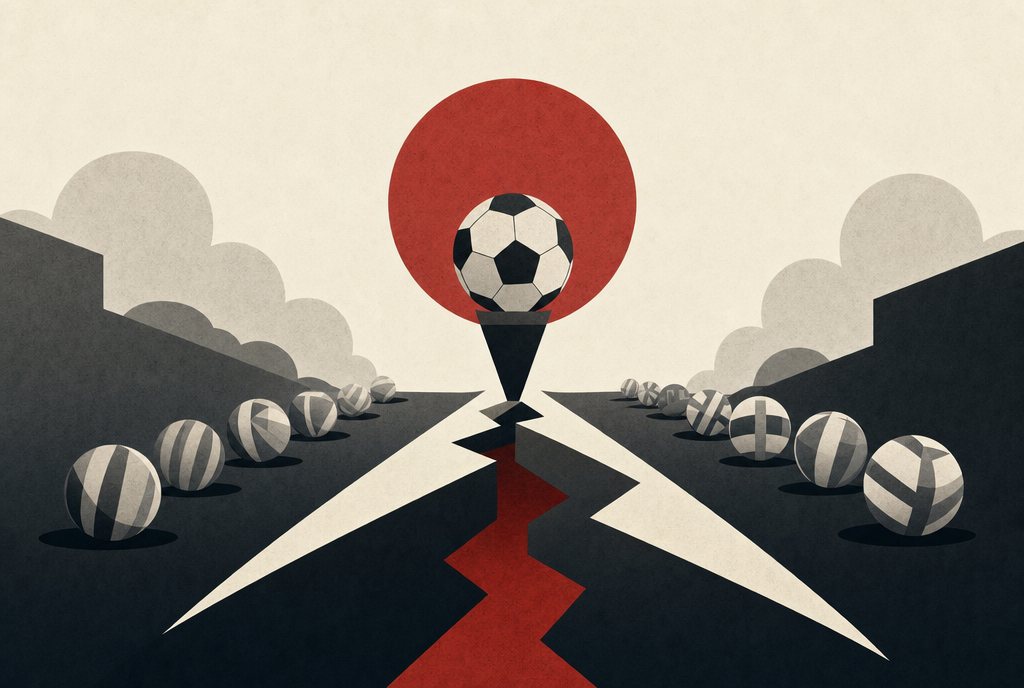
In a turbulent period for world soccer, FIFA and its leader Gianni Infantino find themselves under intense scrutiny. FIFA's proposal to create a new commercial entity, FIFA Forward Enterprise (FFE), has collapsed due to widespread backlash. The plan aimed to establish a US$20 billion company to manage the World Cup with private investors.
However, it faced immediate opposition from UEFA, the European governing body, who threatened to boycott FIFA events. CONCACAF and the Asian Football Confederation (AFC) also formally rejected the proposal, citing concerns over transparency and the involvement of private investors in decision-making.
The opposition was formidable, with UEFA's 55 members, CONCACAF's 35, and Asia's 46 forming a potential bloc of 136 votes, surpassing the 106 needed to block the initiative. Despite this, FIFA initially maintained that no one was selling football. However, simmering dissent within FIFA led to the resignation of Carlos Cordeiro, Infantino's senior adviser on global strategy and governance. Kevin Lamour, FIFA's chief operating officer, stated that the administration had been "deceived."
The proposal's collapse marked a significant shift in the controversy, transforming it from a failed commercial initiative into a moment that questions Infantino's leadership. Infantino's next presidential election is set for 2027, and the episode has highlighted a significant gap between his strategic ambitions and the expectations of FIFA's member associations.
The attempt to integrate private capital into FIFA's commercial core, despite warnings and opposition, suggests a strategy driven more by political reasons than the long-term interests of the game.
The controversy has raised questions about Infantino's leadership viability. Could alternative leadership emerge? Candidates such as UEFA President Aleksander Čeferin, PSG President Nasser Al-Khelaifi, and reformist Dariusz Mioduski have been identified as potential challengers. Victor Montagliani from CONCACAF is also a strong contender.
However, the question remains whether the soccer world will endorse a governance model that appears increasingly driven by political survival rather than the long-term health of the sport. Despite the proposal's failure, the underlying logic of centralizing commercial authority and embedding private capital remains aligned with Infantino's strategic trajectory, raising concerns about whether he might reignite the initiative if re-elected. The future of FIFA and Infantino's leadership is thus far from certain.
Written by urgent.news from The Conversation AU's reporting — not their text. Machine-written — may contain errors; check the original before relying on it.