Engineers link wells beneath Oregon volcano to unlock 24/7 clean power
Mazama Energy connected two deep wells reaching 629 degrees Fahrenheit. This marks the world's hottest enhanced geothermal system ever built. The company plans three more wells in 2026 targeting hotter rock. This project aims to unlock superhot rock for cleaner energy production. Geothermal energy could become a significant player in the clean energy mix.
Engineers have successfully linked deep wells beneath the active Newberry Volcano in central Oregon to generate a continuous supply of clean power, marking a major milestone in geothermal energy production. Mazama Energy, a Texas-based company, connected two deep wells that reached scorching temperatures of 629 degrees Fahrenheit (331 degrees Celsius), setting a new world record for enhanced geothermal systems.
Located approximately 25 miles south of Bend, Oregon, Newberry Volcano boasts unusually hot rock at relatively shallow depths, providing a significant advantage for geothermal development.
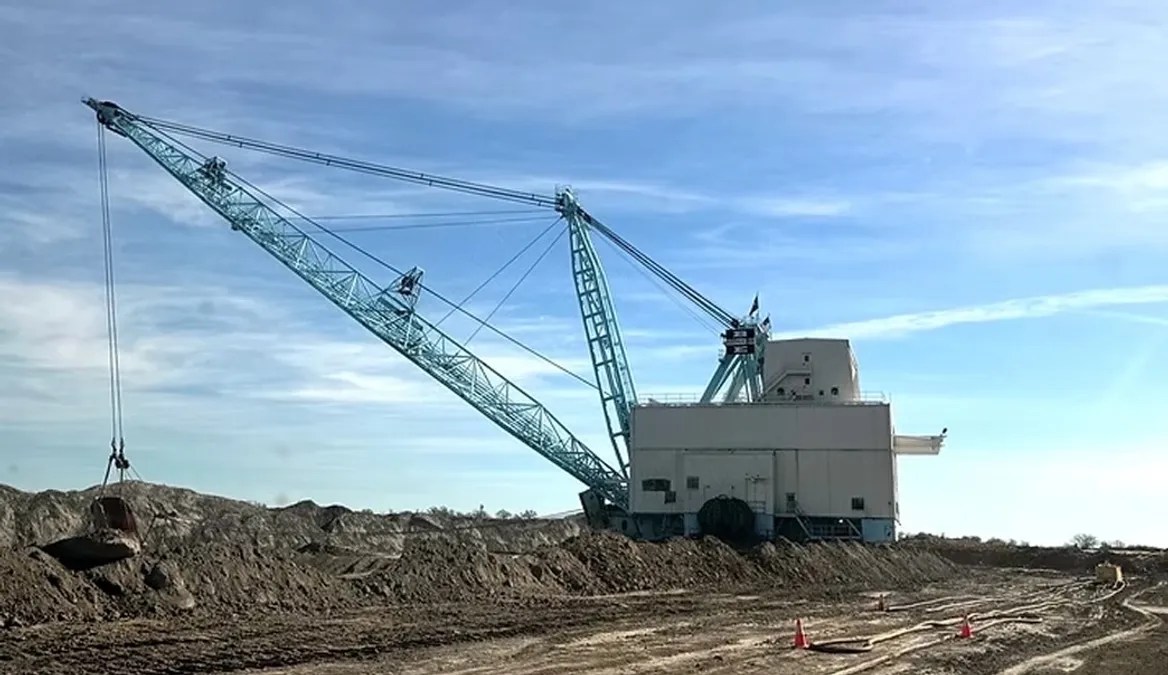
The system works by circulating water through fractured hot rock, where it picks up heat and returns to the surface, generating power. Mazama used its Thermal Lattice stimulation method, along with tracers, fiber-optic lines, and fracturing fluids, to map and maintain the reservoir. The drilling process was remarkably efficient, with peak speeds of 100 feet per hour achieved without any downhole motor or measurement failures, even in extreme temperatures.
Mazama's ultimate goal is to tap into what it calls "superhot rock" – temperatures exceeding 400 degrees Celsius. At this level, water can enter a supercritical state, carrying far more energy and potentially delivering significantly more power from each well. This could make geothermal power more competitive with fossil fuels in terms of economics. The Newberry site's naturally occurring hot conditions and existing monitoring infrastructure make it an ideal location for this ambitious project.
Mazama plans to drill three additional wells at Newberry in 2026, targeting even hotter rock (above 400 degrees Celsius) that could further enhance the economic viability of geothermal power. The first of these wells, Project Athena, will serve as an observation well to gather data and inform the subsequent, hotter wells. While the 2026 project may not generate large-scale power on its own, a successful demonstration could pave the way for significantly larger geothermal installations in the region.
Written by urgent.news from Times of India's reporting — not their text. Machine-written — may contain errors; check the original before relying on it.