Double digits! Air-launched 'Talon A' hypersonic vehicle notches big flight milestone
Stratolaunch has now conducted more than 10 flights with its Talon-A hypersonic vehicle, an autonomous, air-launched craft that can travel five times the speed of sound.
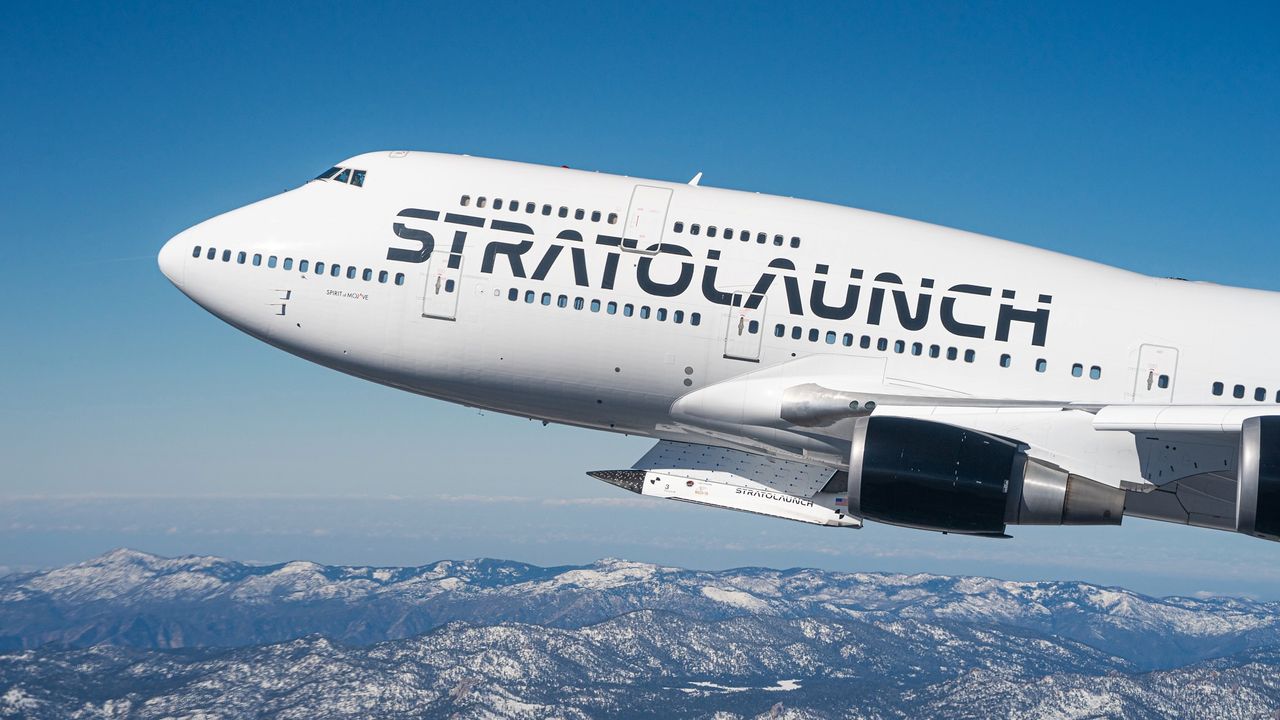
Stratolaunch, a California-based company, has announced that its reusable, autonomous hypersonic vehicle, Talon-A, has achieved more than 10 successful flights. This remarkable milestone, revealed in a July 22 statement by Stratolaunch President and CEO Zachary Krevor, underscores the company's commitment to advancing hypersonic flight technology.
Talon-A is a 28-foot-long (8.5-meter) craft with an 11.3-foot (3.4-meter) wingspan, capable of reaching speeds of more than five times the speed of sound, or Mach 5. The vehicle is launched from the back of a carrier plane, which drops it into the sky before its hypersonic journey. Once completed, Talon-A returns to a runway landing, typically at Vandenberg Space Force Base in California.
While specific details about Talon-A's payloads remain undisclosed, likely due to the confidentiality of many Stratolaunch customers, the military's growing interest in hypersonic technology is evident. Hypersonic vehicles like Talon-A, which are difficult to track and intercept, are becoming increasingly attractive to global military powers.
Although Stratolaunch is not the only entity offering hypersonic flight services, their offerings tend to be less frequent. For instance, Rocket Lab's HASTE, a suborbital version of its Electron rocket, has completed nine flights since its debut in June 2023. However, Rocket Lab has recently secured a $190 million contract to conduct 20 HASTE missions for the U.S. military, indicating a potential increase in the frequency of hypersonic flight services.
Written by urgent.news from Space.com's reporting — not their text. Machine-written — may contain errors; check the original before relying on it.