German economy: China competition is burdening the economy, according to BDI
The economic pressure is weighing on everyone: from external and internal factors, the German economy is being subjected to a tough stress test. Do we need more resilience?
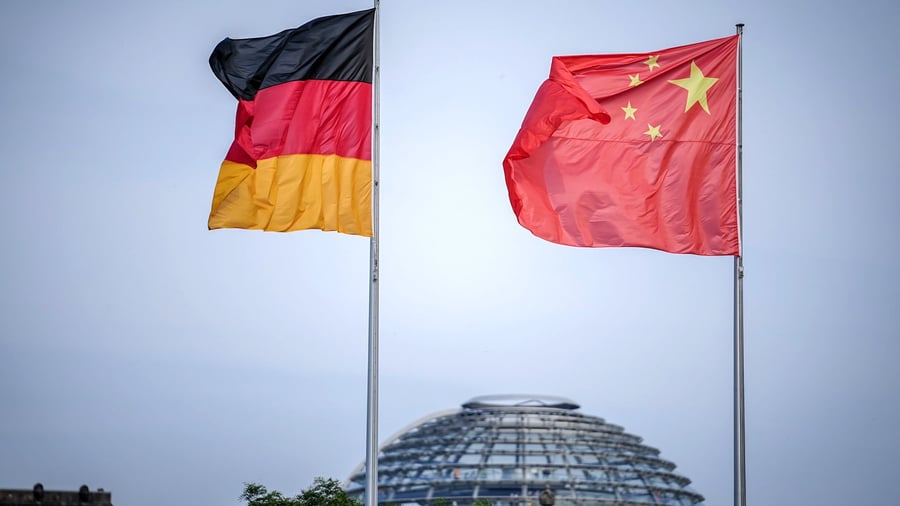
The German Industry Association (BDI) warns that the Chinese market is placing heavy burdens on the German economy. Tanja Gönner, the chief executive of the BDI, has stated that Germany is experiencing a "China Shock 2.0." This shock is not limited to specific industries but is affecting the entire industrial sector due to dependencies on critical raw materials, an undervalued currency, excessive production capacity caused by a weak domestic Chinese market, and the bottling up of EU markets, particularly in the United States.
Furthermore, China's ambition to become a global leader in key technologies also adds to the pressure.
Gönner emphasized that while 60% of global trade would continue to operate according to World Trade Organization (WTO) regulations, many partners still favor rules-based trade. The conclusion of trade agreements, such as the Mercosur agreement between the EU and Mercosur countries Brazil, Argentina, Paraguay, and Uruguay, in early May, is seen as a significant signal. This agreement aims to gradually reduce trade barriers and tariffs to stimulate the exchange of goods and services.
Written by urgent.news from Handelsblatt's reporting — not their text. Machine-written — may contain errors; check the original before relying on it.