Designing a Practical MiniMax H3 Video Workflow: Text, Frames, and Omni References
Building an AI video interface looks simple in a demo: add a prompt box, an upload button, and a Generate button. The real product work starts when those inputs mean different things. While building MiniMaxH3.app, an independent third-party studio around the MiniMax H3 open-weight video model, we found that text-to-video, first/last frame, and multi-reference generation should not be treated as…
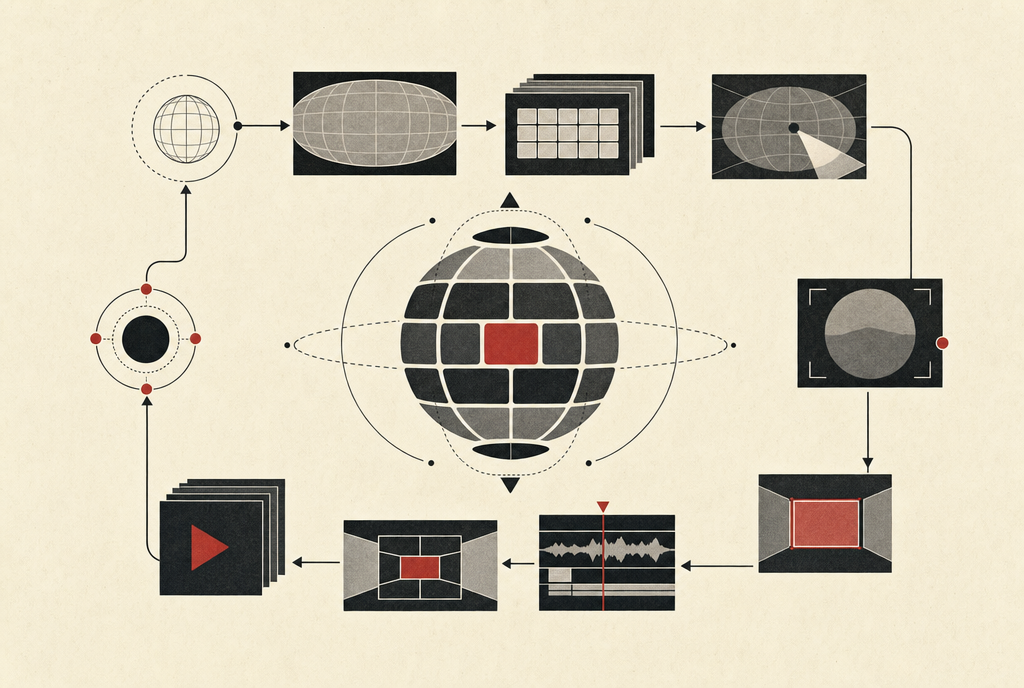
Creating an efficient and user-friendly video generation workflow is no simple task, especially when dealing with multiple input methods like text-to-video, first/last frame, and multi-reference generation. MiniMaxH3.app, an independent third-party studio built around the MiniMax H3 open-weight video model, encountered these challenges during development.
This post delves into the implementation decisions made for these three workflows, including how user intent is normalized, media is validated before upload, reference order is preserved, task state is exposed, and credits are reserved without charging for failed jobs.
Starting with the user's evidence rather than the provider mode is crucial. MiniMaxH3.app utilizes three key concepts: GeneratorMode, which can be "t2v" for text-to-video, "flf" for first/last frame, or "omni" for multi-reference generation. By translating user choices into effective request modes, the interface presents a more intuitive experience. For instance, if Omni Reference mode is selected but no frames are uploaded, the request is still valid and falls back to text-to-video generation.
The text-to-video workflow is primarily based on a prompting contract, with constraints on prompt length, duration, and aspect ratios. The prompt can be up to 7,000 characters long, with durations ranging from 4 to 15 seconds, and supports six aspect ratios. This structure ensures that prompts effectively act as compact shot briefs, prioritizing important choices like subject, action, camera, light, pacing, dialogue, and sound.
Additionally, the interface makes output duration visible, helps users understand the cost and waiting time, and keeps aspect ratio choices finite.
In the first/last frame workflow, ordering is a critical aspect of the API. Unlike a simple set of files, the first and last frames define the opening and destination states, respectively. The system maintains separate firstFrame and lastFrame state, builds an ordered upload list, and maps returned URLs back to their respective roles.
Validation occurs before upload, preventing issues such as uploading large assets that will later be rejected or reserving credits for unfeasible requests. The output follows the uploaded image ratio, eliminating the need for manual aspect-ratio decisions.
The multi-reference generation workflow, or omni reference mode, introduces a media budget to manage the complexities of accepting images, video clips, and audio clips. Users can upload up to 9 images, 3 video clips, and 3 audio clips, with each media type having specific constraints. Video and audio clips must be between 2 and 15 seconds long, and the total media budget per type is limited to 15 seconds.
The UI disables upload controls once either the per-type or overall caps are reached, ensuring a clear and user-friendly experience. Images, videos, and audio arrays are kept separate for easier validation and display, while an ordered upload helper groups the resulting URLs for the request payload.
Written by urgent.news from Dev.to's reporting — not their text. Machine-written — may contain errors; check the original before relying on it.