De amores y afinidades entre los escritores y los gatos
Pla dejó escrito cuanto hay de esfíngico en los gatos al afirmar que “todo en el gato es dogma, seriedad y forma eterna”
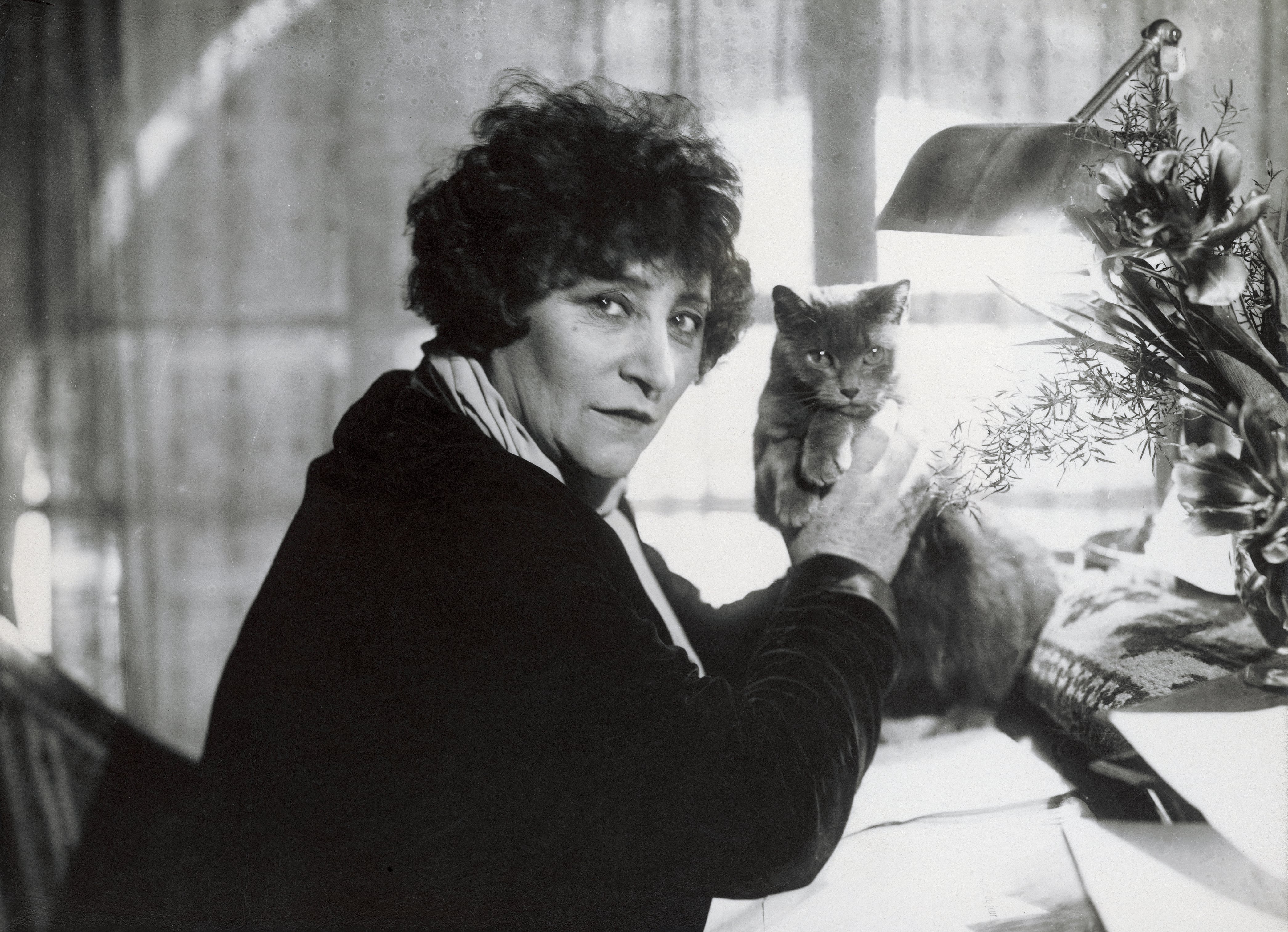
The relationship between writers and cats has long been a subject of intrigue. Cats, with their solitary nature, affinity for literature, and love of silence, have found a place among the companions of scholars and artists. Princes often chose other animals like dogs and horses for their portraits, but the humble cat was content to lounge on the cushions of well-appointed cardinals.
Bibliographies often benefit from the presence of a cat, as they move freely among the pages without prying attention. Von Betchen noted that cats embody the independence and lack of pretense that writers aspire to possess. The creature seems to share a similar lifestyle with its literary counterparts, content to lounge on a sofa during the day and venture out at night.
When Oxford University sought advice on starting a literary career, Aldous Huxley famously advised the young writer to keep a cat. In Southern Europe, cats are more common as outdoor animals, while in Spain, the aristocracy once despised the creatures, perhaps favoring bulls instead. In rainy, civilized countries, cats were highly regarded as decorative pets, even being reproduced in porcelain.
Gatófilo, a renowned cat lover, once claimed to be the freest writer in France due to his poverty. He ended up with over 300 cats, acquired from various corners of Paris. Writers have always looked forward to naming their cats, with Colette naming one "Kiki-la-Doucette" and Mallarmé's cat "Lilith." Anatole France named his cat "Amílcar," a name that surely struck a chord with the poet.
Dante's cat remains nameless, but Petrarch's poet penned an epitaph for his feline companion. Pla once stated that everything in a cat is a dogma, seriousness, and eternal form. The creature has a profound symbolic weight as a literary figure. The poet Baudelaire immortalized the cat in his verses, while Neruda referred to the animal as a "minimal tigress of the parlor." Some even suggest that God created the cat so that humans could pet a tiger.
Throughout history, cats have been associated with the literary world. In London, the famous cat "Hodge" provided solace to the melancholic scholar Dr. Johnson, who would play with him to alleviate his intense scholarly sadness. When Hodge was near death, Johnson made the solemn duty of purchasing valerian for the cat to ease his journey. It is easy to imagine that this task would have been particularly painful for the great lexicographer, as his friend had always brought him joy and solace.
Written by urgent.news from El Pais's reporting — not their text. Machine-written — may contain errors; check the original before relying on it.