China’s central bank pledges timely policy tool adjustment
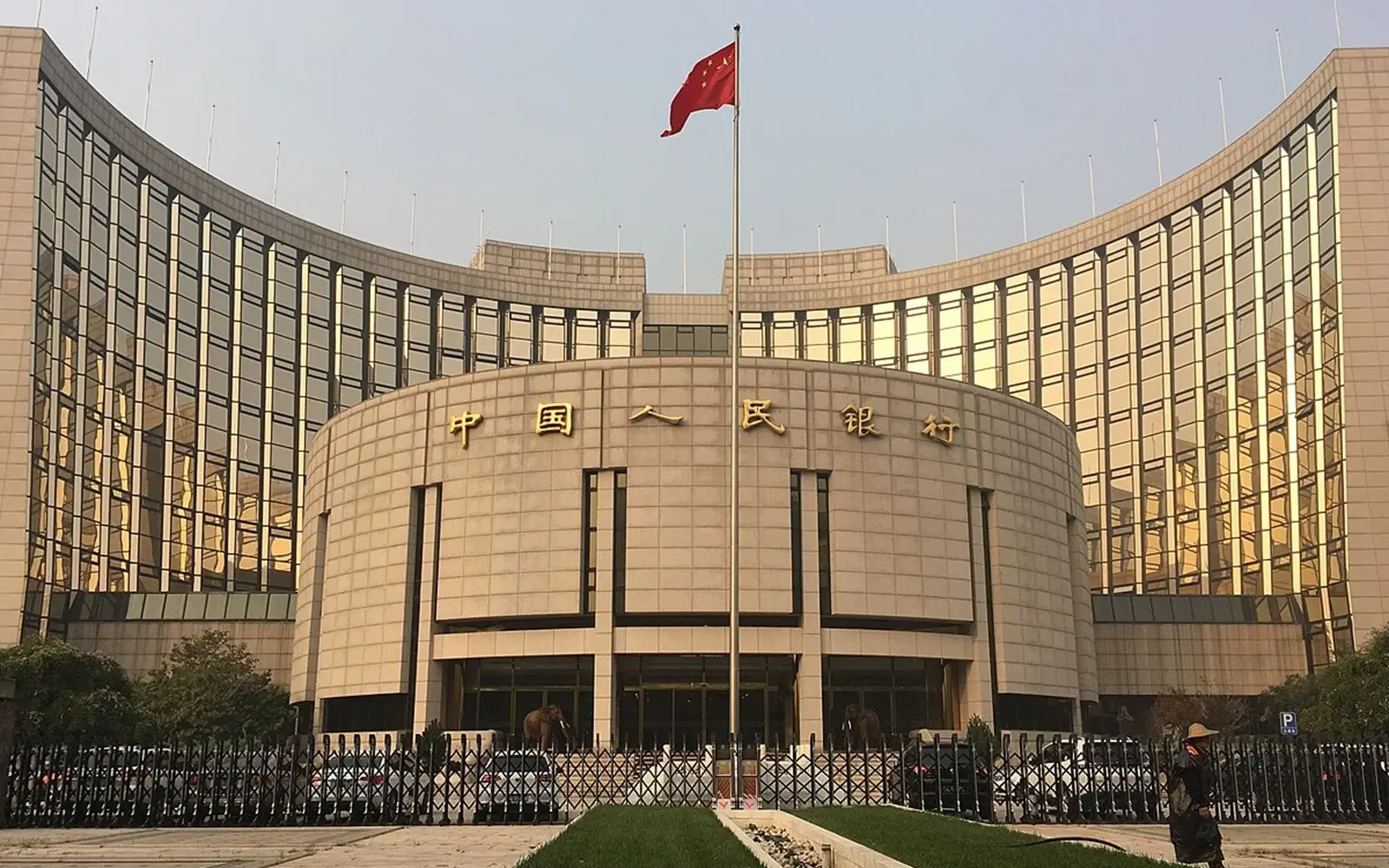
The People's Bank of China (PBOC) has committed to adjusting monetary policy tools in a timely fashion, as announced in a statement released on Sunday. This pledge comes amid efforts to facilitate panda bond issuance and support debt risk resolution for local government financing vehicles. The central bank aims to maintain an appropriately loose monetary policy, while ensuring ample liquidity remains available, according to a work meeting held on Saturday to outline the second half of the year's strategy.
The PBOC's statement emphasized the need to "steadily promote the high-level opening of the financial market" and advance domestic and international infrastructure cooperation. Additionally, the central bank intends to enrich liquidity management and risk hedging tools. In line with this, the PBOC plans to continue providing financial support for debt risk resolution of local government financing vehicles, while promoting their market-oriented transformation.
The central bank's efforts extend to supporting more overseas institutions issuing yuan-denominated bonds, known as panda bonds. This support is aimed at enhancing Shanghai's cross-border finance capabilities and consolidating Hong Kong's position as a key offshore yuan hub. The central bank's decision-making body, led by PBOC Governor Pan Gongsheng, came after a call from the Communist Party's Politburo on Thursday to expedite fiscal spending on budgeted infrastructure projects for the remainder of the year.
Recent data revealed economic growth at 4.3% in the second quarter, marking the slowest pace in over three years and falling short of the 4.5% to 5.0% full-year target. The Politburo acknowledged the economic challenges at its meeting, as reported by the official Xinhua news agency. The central bank's commitment to timely policy tool adjustments aims to address these economic challenges and ensure sustained growth.
Written by urgent.news from Free Malaysia Today's reporting — not their text. Machine-written — may contain errors; check the original before relying on it.