A sober appraisal — why raising alcohol taxes protects SA’s health and wealth
Don’t buy the liquor industry’s myths. Higher excise taxes cut excessive consumption, reduce health costs, and protect society without harming national revenue.
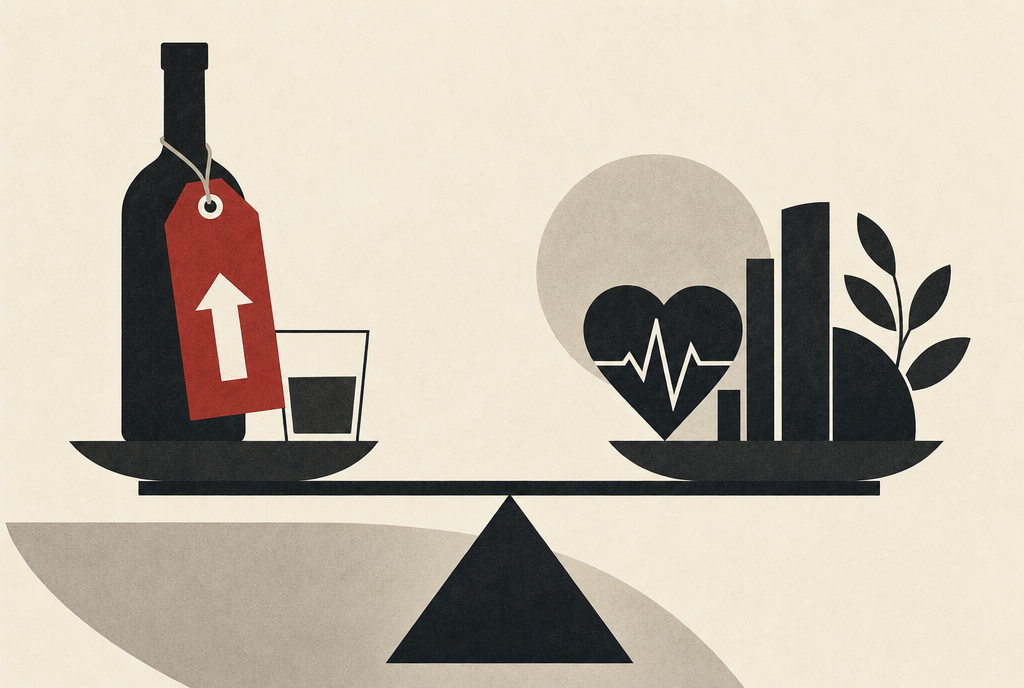
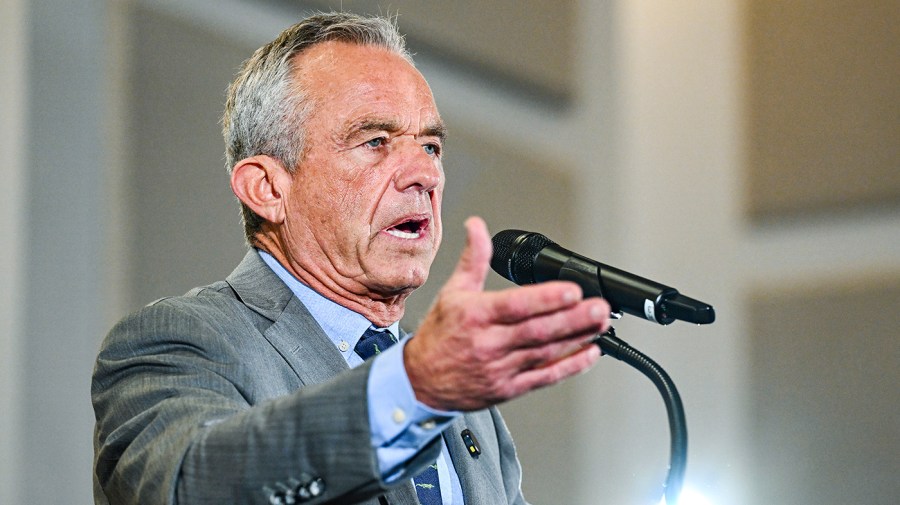
Higher excise taxes on alcohol, coupled with the introduction of a minimum unit price, can safeguard both the health and economic well-being of South Africa, according to David Harrison, CEO of the DG Murray Trust. Despite industry bodies' claims that such measures may encourage illicit trade, reduce tax revenues, and increase unemployment, research demonstrates that higher taxes are cost-effective and bring significant health benefits.
These taxes discourage excessive alcohol consumption, leading to lower mortality rates, fewer hospital admissions, domestic violence cases, and traffic accidents. In high-income countries, evidence confirms that excise taxes reduce excessive consumption and associated harm, while also generating additional revenue for governments.
Developing countries, including South Africa, must embrace these evidence-based controls to avoid losing profits to illicit markets. Proponents of liquor control argue that developing nations lack regulatory discipline and enforcement capabilities, but this argument is misguided. While prohibition in the US during the 1920s and early 1930s led to an increase in bootlegging and organized crime, scientific studies show that higher taxes and other restrictions effectively reduce alcohol consumption and related harm in low- and middle-income countries.
For example, in Russia, liquor control policies led to substantial reductions in consumption and related harm, even with a large illicit market before tax hikes and minimum unit pricing were implemented.
Moreover, higher excise taxes and other alcohol regulations do not necessarily reduce government revenue. A systematic review of Latin American countries showed that government revenue increased in all nine studies of excise tax increases on tobacco, despite illicit market shifts. In South Africa, three-quarters of drinkers exceed the heavy drinking threshold of two drinks a day, with almost a quarter exceeding it three times over.
Thus, introducing higher excise taxes and a minimum unit price is crucial to protect national health and wealth, as moderate consumption promotes business growth, while higher consumption is detrimental.
Written by urgent.news from Daily Maverick's reporting — not their text. Machine-written — may contain errors; check the original before relying on it.