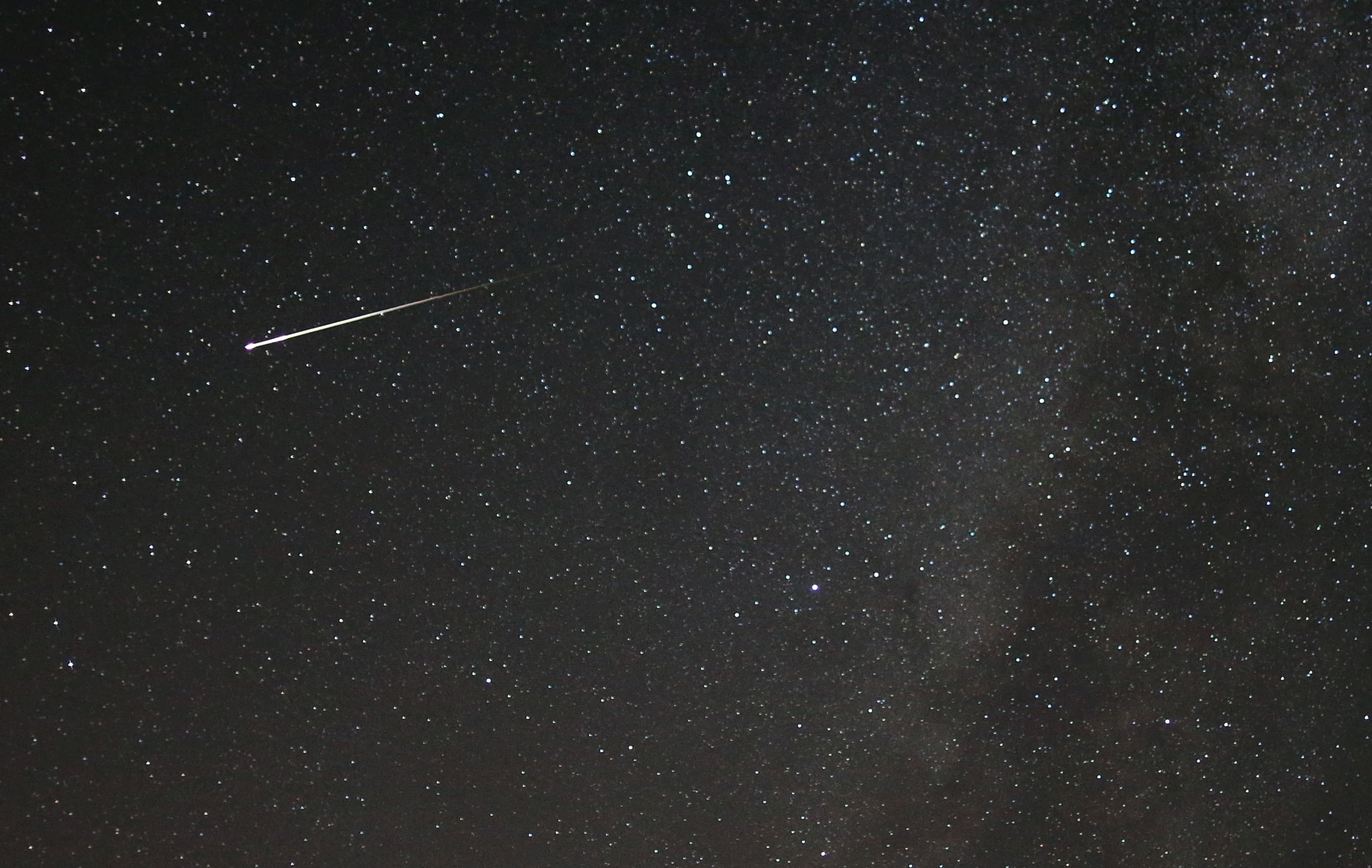
Total eclipse, shooting stars, and the Milky Way: Why Aug. 12 could be the greatest single day and night for skywatching for years
A solar eclipse, the peak of the Perseid meteor shower, Venus at dichotomy and the Milky Way at its annual best will create one of 2026's best days for skywatching.
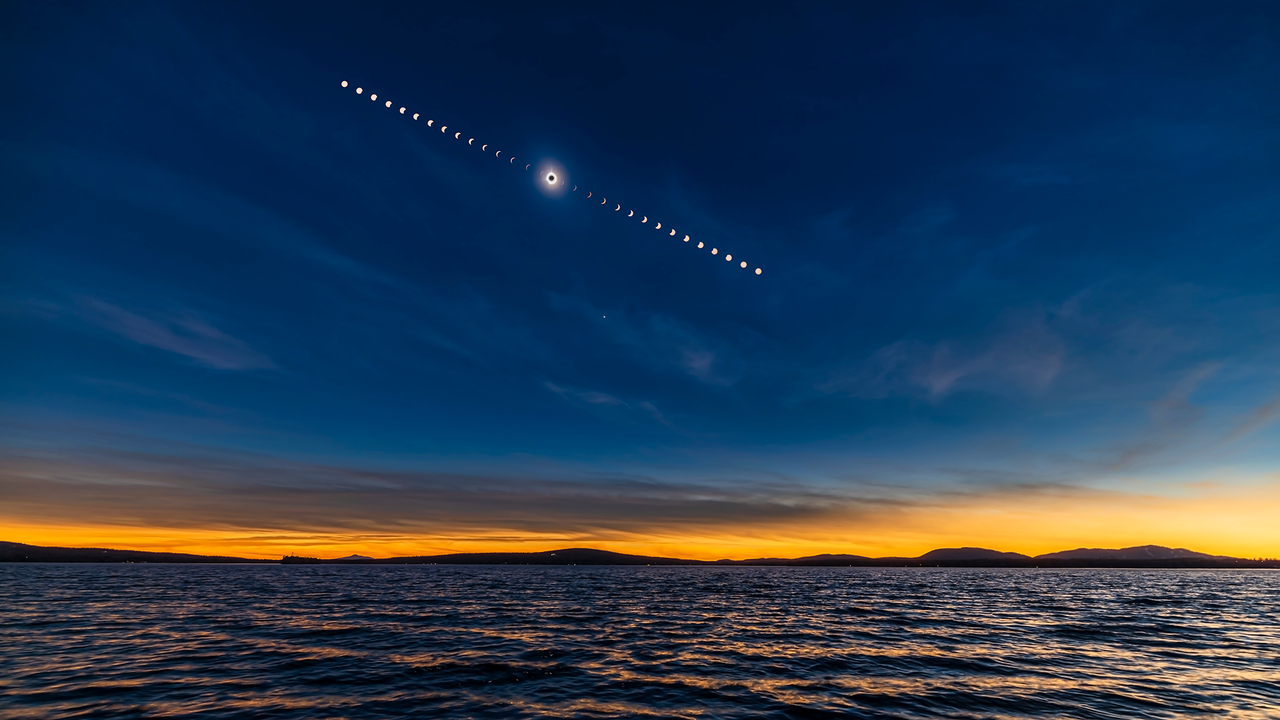
Skywatchers in North America and Europe are urged to set their calendars for Wednesday, August 12, as the date promises an uncommon blend of celestial events during a single 24-hour period. Alongside a bright Venus and the radiant Milky Way, the day will feature a solar eclipse and the peak of the Perseid meteor shower.
A partial solar eclipse will be visible across Alaska, eastern Canada, and parts of northeastern U.S., with a total solar eclipse observable along a slim path crossing eastern Greenland, western Iceland, and northern Spain. Millions of people in North America, Europe, and North Africa will witness at least a 10% partial eclipse, with North America's deepest partial eclipse occurring in Nunavut, Canada, where up to 93% of the sun will be covered. Fairbanks, Alaska, will experience 37% coverage, while Boston will see 16%.
As night falls, Venus will be easily visible as it reaches dichotomy, appearing half illuminated. Observers with telescopes or stargazing binoculars should notice Venus resembling a half-moon as it moves closer to Earth. After the sun sets, the perigee peak of the Perseid meteor shower will begin, offering a rare opportunity to witness over 50 to 75 meteors per hour under truly dark skies.
The optimal time to view meteors is between midnight and 2 a.m., when the sky is darkest and the Perseus constellation is highest in the sky.
Lastly, under rural, dark skies, observers will be treated to a magnificent view of the Milky Way arching overhead, creating one of the finest views of our home galaxy in the year. With a daytime solar eclipse, a moonless Perseid meteor shower, a dazzling Venus, and spectacular views of the Milky Way, August 12 offers a perfect opportunity for anyone with an interest in the night sky. This could very well be the greatest single day and night for skywatching in years, provided the skies remain clear.
Written by urgent.news from Live Science's reporting — not their text. Machine-written — may contain errors; check the original before relying on it.