To reduce South China Sea friction, Beijing and Manila need it in writing
As the Philippines hosted Southeast Asian foreign ministers in late July, the sea would not stay quiet. On July 20, Chinese and Philippine crews fought beside the BRP Sierra Madre with oars and batons; one Filipino sailor was reportedly injured while each side blamed the other. Days later, with Foreign Minister Wang Yi and US Secretary of State Marco Rubio at the security forum, Philippine…
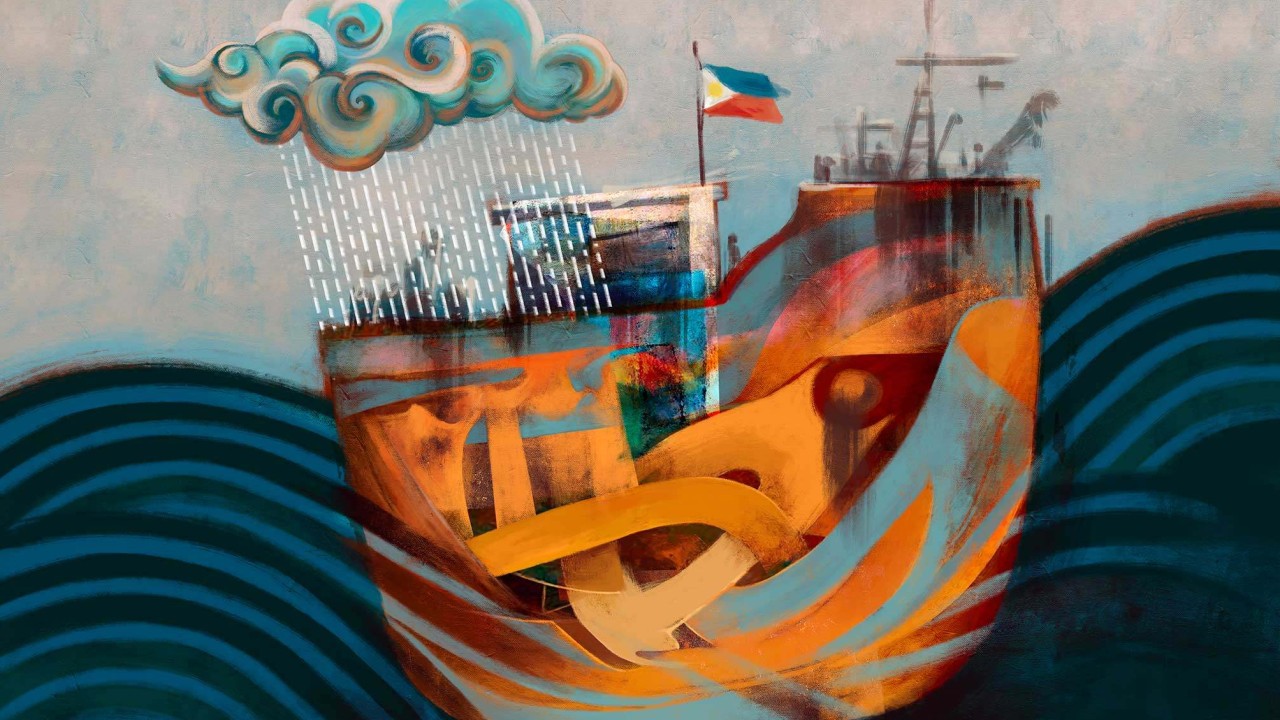
The Philippines and China have been experiencing friction in the South China Sea, with recent incidents at Scarborough Shoal. A Chinese vessel clashed with Philippine crews using water cannons, while Beijing accused Manila of breaching a provisional arrangement. However, the agreement's text was never published, and both sides have conflicting accounts of its terms.
The BRP Sierra Madre, a grounded ship in the shoal, is reportedly collapsing, and its condition is a major point of contention. Chinese analysts claim the hull has large holes and is taking on water, while Philippine officials deny this. The ship needs steel and cement, and the agreement's focus on food while leaving reinforcement contested could lead to a collapse.
Manila is asking China to produce the agreement to support its claims, while China wants the ship removed, not reinforced. The situation highlights the tension between sovereignty and alliance politics, with both sides seeking an advantage. Manila is leveraging the situation by increasing patrols and seeking support from the US, Japan, and Australia, while China remains focused on preventing the ship from being reinforced.
The ship's eventual failure will determine the outcome, and until then, both sides continue to quarrel over the deteriorating vessel.
Written by urgent.news from Reuters Business via SCMP's reporting — not their text. Machine-written — may contain errors; check the original before relying on it.
This story
This is one outlet's version. Read the fullest account.