The labor market could become so backward that the economy will have to shed jobs to keep unemployment steady
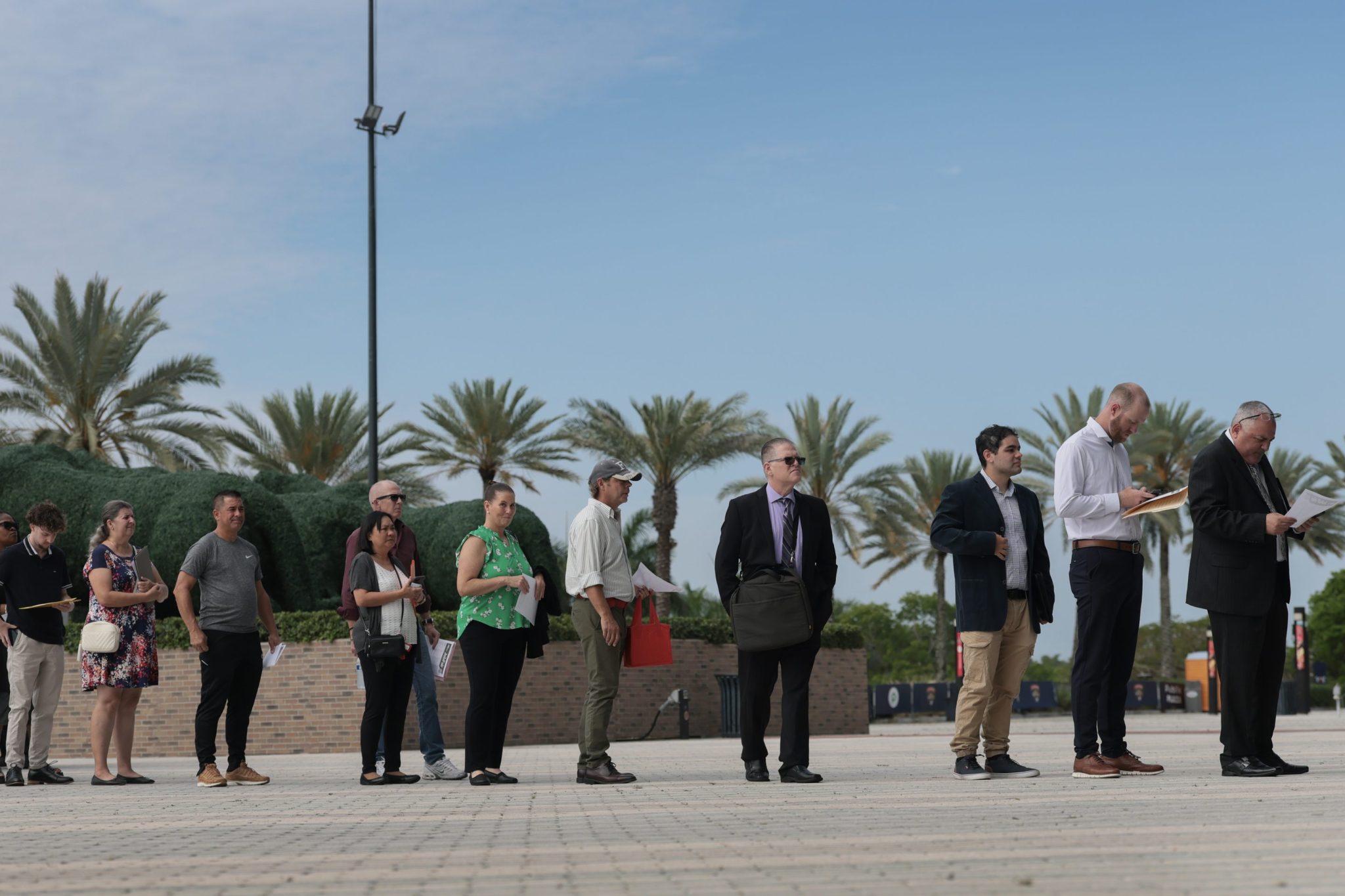
The labor market may undergo a significant transformation that could force businesses to reduce their workforce to maintain a steady unemployment rate. President Donald Trump's stringent immigration policies, coupled with the growing retirement of baby boomers, could redefine the concept of a robust labor market. Historically, a robust monthly job increase of 125,000 to 150,000 has been necessary to offset new entrants into the workforce.
However, as the labor pool shrinks, the required net new jobs to keep the unemployment rate constant have turned slightly negative in recent months. This trend may become the norm if the current situation persists. Oxford Economics estimates the current breakeven rate at around 50,000 new jobs per month, a drastic decrease from over 200,000 in 2022 and 2023.
With Trump's return to the White House, restrictive immigration laws have significantly reduced the supply of foreign labor. Additionally, the aging population is contributing to the shrinking labor force, with labor force participation decreasing. As a result, the breakeven rate is projected to fall to zero next year and turn slightly negative by 2028.
While this doesn't necessarily imply widespread layoffs, it does suggest a more sluggish labor market. Oxford Economics remains cautious, predicting only gentle downward pressure on unemployment, despite a potential slowdown in job growth.
Written by urgent.news from Fortune's reporting — not their text. Machine-written — may contain errors; check the original before relying on it.