Scientists have used AI-powered camera traps in the fight to save bees. THIS is how I want AI to be used, not to generate slop
Camera traps using low-cost hardware paired with open-source AI models can be an accurate, scalable and non-lethal tool for monitoring bees
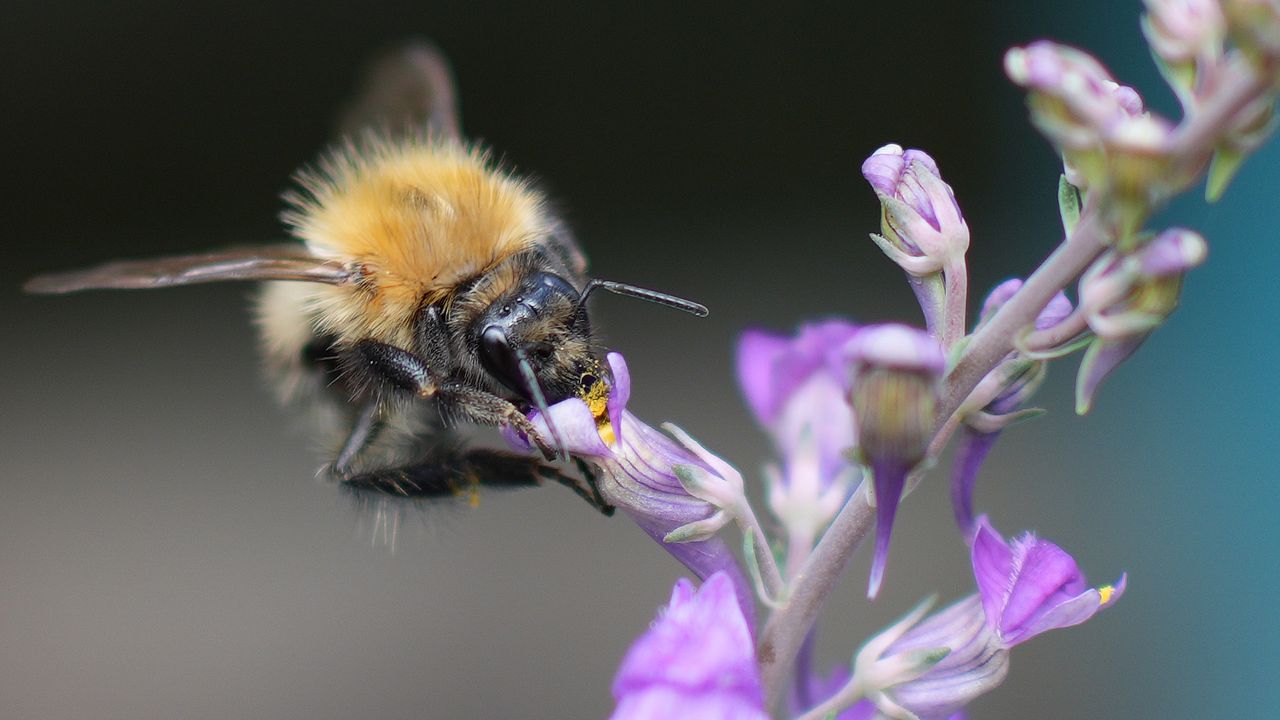
Researchers in the United States have devised a novel approach to monitor bees using AI-powered camera traps, marking a significant departure from conventional methods dominated by lethality and labor-intensive manual techniques. The team from Oregon State University crafted these camera traps using affordable, commercially available components, each costing between $100 and $200.
These traps, encased in weatherproof containers with a solar panel and battery power, were strategically positioned at a fixed focal distance. Colored platforms, functioning as non-rewarding visual lures, were used to attract bees. Upon testing various visual patterns, the bullseye pattern emerged as the most effective lure. Over the course of 18 days, these camera traps functioned round the clock, documenting daylight hours from 06:00 to 19:00.
This process yielded approximately 70,000 images, which were subsequently analyzed by AI models. One model processed over 6,000 full-frame images, while another scrutinized more than 66,000 cropped image tiles. The AI's primary function was to identify and classify bee species, discarding any frames devoid of insects. This automated process managed to eliminate over 90% of the raw field data, effectively bypassing the need for human intervention.
The experts were tasked with reviewing only a fraction of the pre-filtered, cropped insect images to confirm species-level identification, thereby paving the way for scalable continuous multi-day field monitoring. This innovative use of AI signifies a promising application of the technology, emphasizing its potential to liberate scientists from mundane tasks and encourage them to concentrate on more substantive work.
The author of this report advocates for AI's role in photography, advocating for its implementation in a manner that enhances and complements the photographer's work rather than replacing it or producing subpar results.
Written by urgent.news from Digital Camera World's reporting — not their text. Machine-written — may contain errors; check the original before relying on it.