Potatoes are beige and boring. But they are also the reason color photography exists
The first widespread form of color photography was the Autochrome Lumière – and it was made possible by potatoes
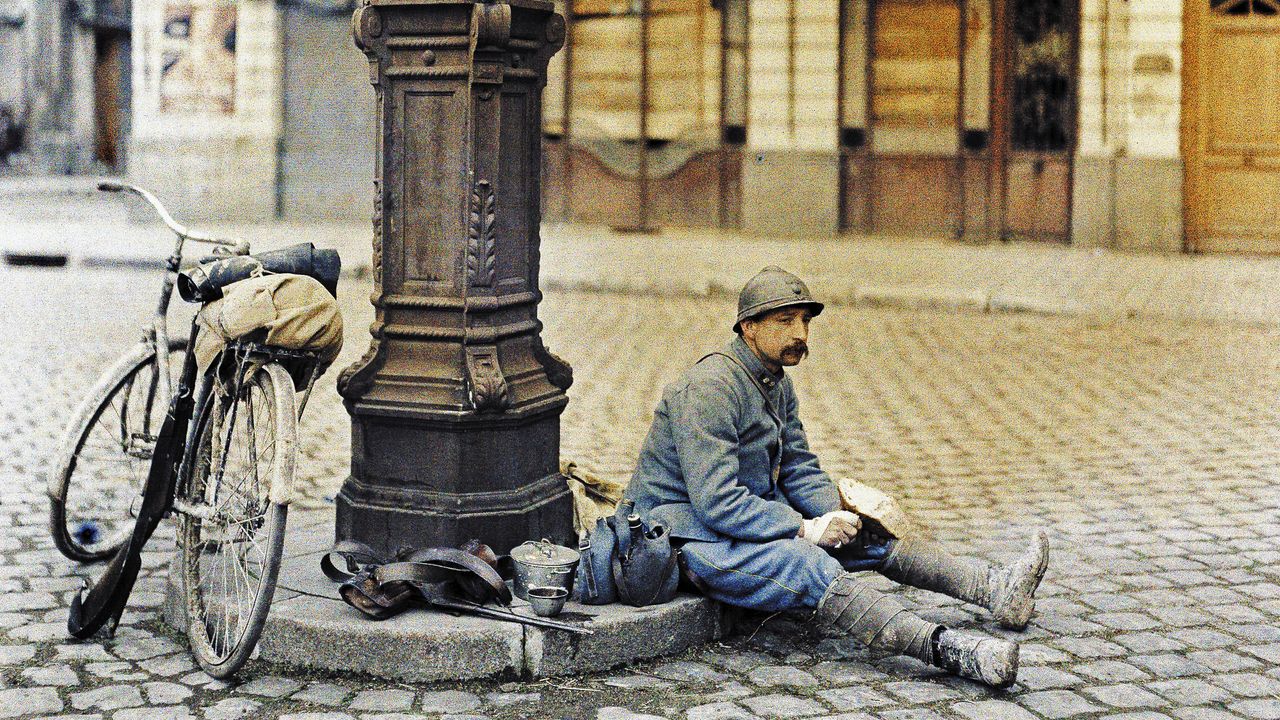
The genesis of color photography can be traced back to an unassuming source: the humble potato. In 1861, James Clerk Maxwell theorized that merging red, green and blue light would enable human eyes to perceive a full spectrum of colors in photographs. However, early attempts at capturing color in images were cumbersome and impractical.
French brothers Auguste and Louis Lumière ventured into the realm of creating a transparent color filter. They sought a material featuring uniform, microscopic round particles, which could be easily and affordably obtained. The potato offered a solution. Potato starch possesses microscopic round particles, making it an ideal candidate for the task.
The Lumière brothers devised a method to incorporate dye into potato starch, resulting in separate batches of red, green, and violet. These dyed solutions were then combined and painted onto a sticky glass plate, forming a color filter. Charcoal powder was employed to fill in any gaps and enhance contrast. Light passed through the tri-colored potato starch coating on one side of the glass, illuminating the light-sensitive chemicals on the opposite side of the glass plate.
Autochrome Lumière, a glass photograph created through this process, boasted a unique characteristic: it was composed of red, green, and blue dots. Although the Autochrome encountered challenges, such as the necessity of viewing it through a diascope stand and its susceptibility to fading under UV light, it marked a significant milestone in color photography history.
The autochrome's dreamlike appearance and the concept of red, green, and blue dot arrangement laid the foundation for modern digital camera sensors, which utilize a similar mechanism to perceive colors.
Written by urgent.news from Digital Camera World's reporting — not their text. Machine-written — may contain errors; check the original before relying on it.