Infant brain structure predicts future intelligence scores
Can a one-year-old's brain structure forecast their childhood intelligence? By analyzing white matter connections using artificial intelligence, researchers discovered that infant brain scaffolding accurately predicts cognitive scores years later, highlighting the early biological foundations of individual ability.
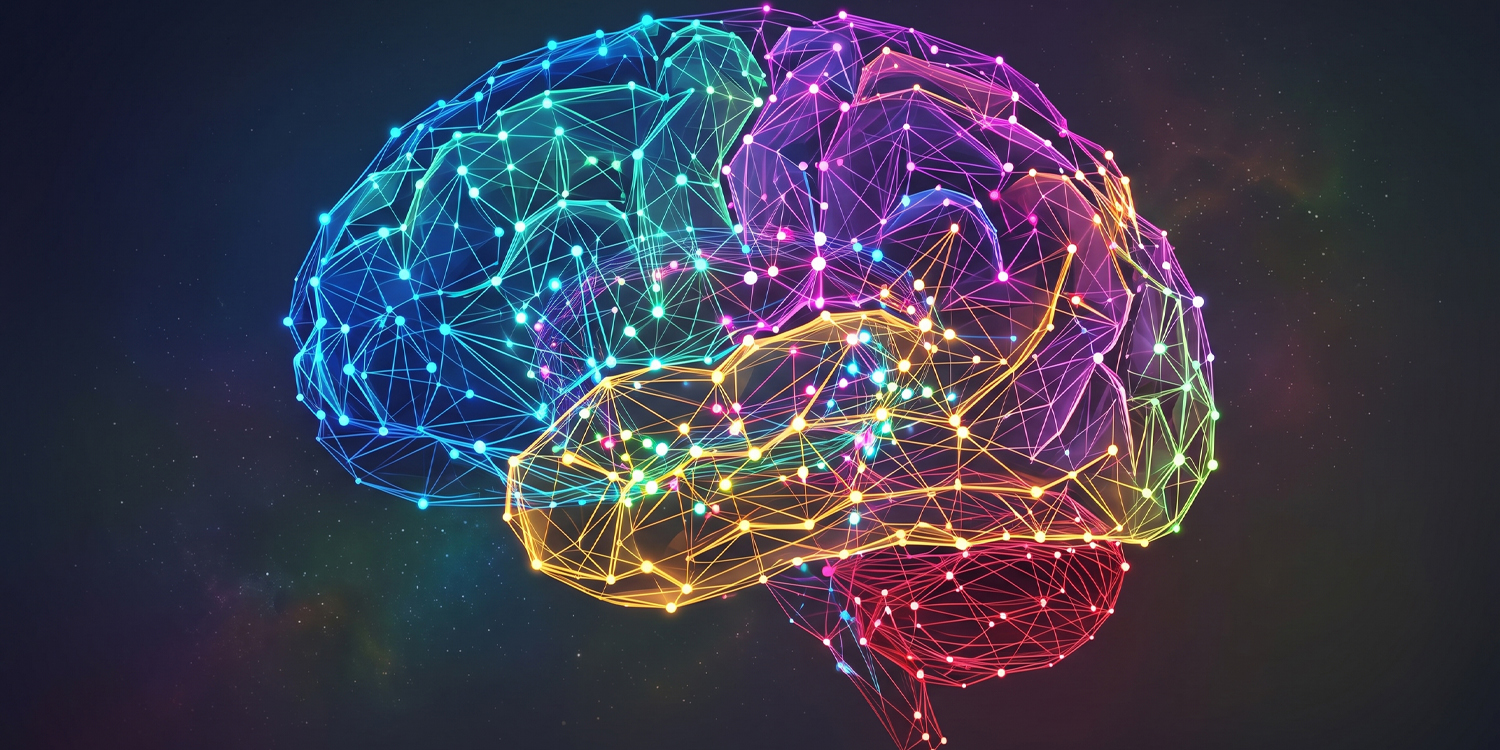
A recent study published in Frontiers in Human Neuroscience has discovered that the physical wiring patterns of a one-year-old child's brain can predict their future intelligence scores. Researchers from the University of North Carolina at Chapel Hill used artificial intelligence to analyze brain imaging maps, revealing that early childhood is a critical period for the development of lifelong cognitive abilities and behaviors.
By identifying biological markers of brain development, professionals may be able to predict and track cognitive trajectories over a person's lifespan, allowing for timely interventions to optimize learning outcomes. The study focused on the structural connectome, which is the map of nerve fibers called white matter that transmit electrical signals between different brain processing centers.
While functional gradients have been extensively studied, less attention has been given to structural gradients, which represent the physical nerve pathways that dictate the transmission of real-time communication. The researchers hypothesized that networks associated with advanced thought processing, such as the frontal and parietal lobes, would be particularly relevant to their predictions.
Brief written by urgent.news from PsyPost's own syndicated text. Machine-written — may contain errors; check the original before relying on it.