How wildfire smoke is reshaping childhood
Smoky summers are becoming the new normal across the American West, forcing a generation of children to grow up indoors.
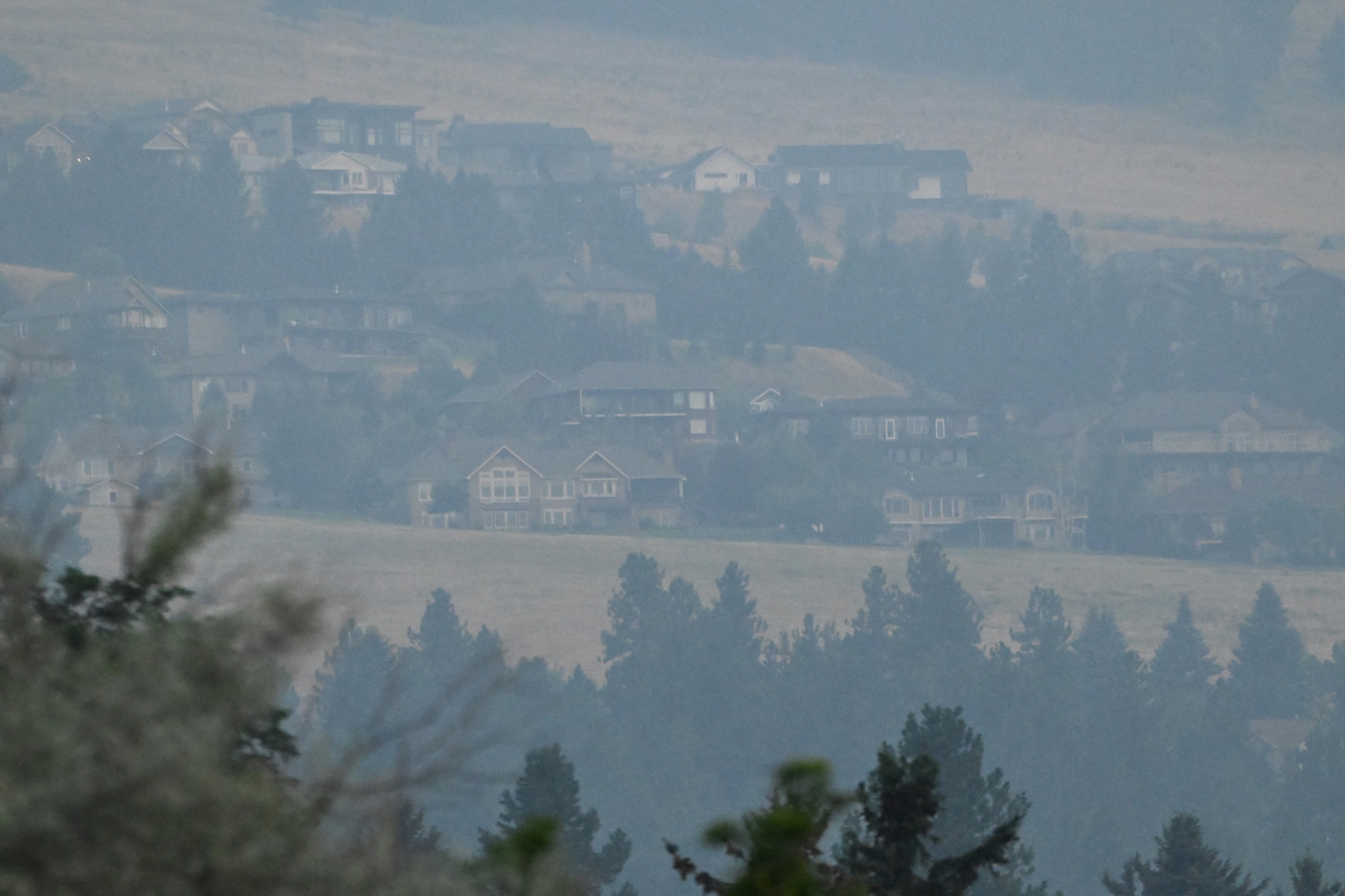
In Montana, a state accustomed to the presence of wildfire, the summer landscape has undergone a significant transformation. Where once children engaged in unencumbered outdoor activities, such as cycling, swimming, hiking, and playing baseball, the air quality has become a paramount concern. Parents now routinely consult the Environmental Protection Agency’s Air Quality Index to determine if their children are permitted to venture outside at all.
As wildfire seasons lengthen and intensify across the Western United States, smoky skies have become an increasingly common feature of the summer months. In Montana, where wildfire has always been a part of the natural environment, the summer routine now includes days or even weeks where children are advised to remain indoors due to hazardous air conditions.
Scientists have documented the growing health risks associated with wildfire smoke, particularly for children whose respiratory systems are still developing. Pediatricians and researchers, however, caution that the consequences of this exposure extend far beyond the lungs. A 2024 UNICEF report highlights that smoke exposure not only affects respiratory health but also impacts learning, mental well-being, and opportunities for play, warning that repeated smoke exposure can have lasting effects on childhood development.
As wildfire smoke blankets communities, Missoula, Montana, serves as a poignant example. Mosabber Hossain/Inside Climate News photographs capture the stark reality of families navigating the challenges of smoky summers. Melody Irvine, a University of Montana student studying environmental science and social work, reflects on her own childhood experiences.
Irvine, who grew up in western Montana with asthma, recalls the days spent indoors due to smoke, a stark contrast to the outdoor adventures she once took for granted. Today, Irvine recognizes the profound shift in childhood experiences brought about by recurring smoke events. As pediatricians and researchers delve deeper into the health impacts of wildfire smoke, the threat to physical, mental, and emotional development becomes increasingly apparent.
Kerri Mueller, an air quality specialist with the Missoula City-County Health Department, explains that children are particularly vulnerable, as their lungs are still maturing and they breathe more deeply, thus absorbing higher concentrations of pollutants. Wildfire smoke, composed of fine particles known as PM2.5, can penetrate deep into the lungs and bloodstream, potentially leading to asthma attacks, respiratory infections, and emergency department visits.
The long-term consequences, including impacts on brain development and unborn babies, are still being explored. While Montana lacks comprehensive statewide pediatric hospitalization data directly linking wildfire smoke to children’s illnesses, pediatricians report a noticeable increase in asthma-related cases and other respiratory issues during periods of heavy smoke.
National studies corroborate this trend, showing elevated emergency department visits among children during wildfire smoke events. Parents now find themselves in a constant cycle of vigilance, checking not only the weather forecast but also the Air Quality Index each morning. This shift in daily routines has fundamentally altered how families experience summer.
Schools, too, are adapting, investing in advanced air filtration systems and reevaluating the functionality of school buildings in a changing climate. Melody Irvine’s personal journey from a child accustomed to the outdoors to an adult grappling with the realities of smoky summers underscores the profound impact of these changing conditions.
As public health experts increasingly recognize the shift from occasional disruptions to a recurring part of childhood, the urgency to address the health implications of wildfire smoke becomes clear.
Written by urgent.news from Grist's reporting — not their text. Machine-written — may contain errors; check the original before relying on it.