Blame it on Sao Paulo
It might well also be asked whether meddling in the domestic politics of other countries belongs in any presidential work list. Leer más
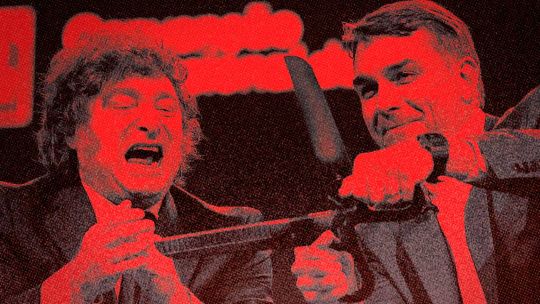
Former Argentine President Javier Milei showcased a presidential lesson in his recent interactions, attending Peru's Keiko Fujimori's inauguration and subsequently insulting Brazil's political and judicial officials in Sao Paulo. This diplomatic crisis with Brazil, possibly the most significant in half a century, has been magnified by media attention and theories.
Milei's actions, while not unprecedented, are unique due to the upcoming Brazilian presidential elections. His support for Flavio Bolsonaro's presidential candidacy and insults towards Brazil's leaders have sparked a reaction, partly due to the belief that Argentine support might aid Brazil's opposition, Jair Bolsonaro, in his re-election bid.
Spanish Premier Pedro Sanchez has also faced insults from Milei during his campaign support for far-right Vox, but has remained relatively silent in response. Milei's interference in other countries' politics, such as the proposed tariffs and Spain visits, appears counterproductive, and there should be more focus on the negative impact of such actions rather than criminalizing them.
The question arises whether meddling in foreign politics should be part of a president's duties, given Lula's similar activities in Argentina. Milei's global "cultural battle" might be contributing to the shift towards the right in Latin America, but the results have not been as favorable as Milei claims. Recent South American elections, including Bolivia, Chile, Peru, and Colombia, showed the far right struggling.
Only Colombia elected Milei's successor, Abelardo de la Espriella, an outsider. While the spat with Brazil and Fernández de Kirchner's case might dominate the headlines, the University of Buenos Aires' report on a third of youth under 30 not working or studying could be the most pressing issue. The IMF's Managing Director, Kristalina Georgieva, has echoed this concern, emphasizing the need for macro-economic progress to benefit the people – the real challenge.
Written by urgent.news from Buenos Aires Times's reporting — not their text. Machine-written — may contain errors; check the original before relying on it.