$10 billion startup gets SK Hynix backing to build a transformer that does just one thing but exceedingly well
Etched secured SK Hynix backing at a $10.3 billion valuation while expanding custom AI inference hardware using Low Voltage Inference technology.
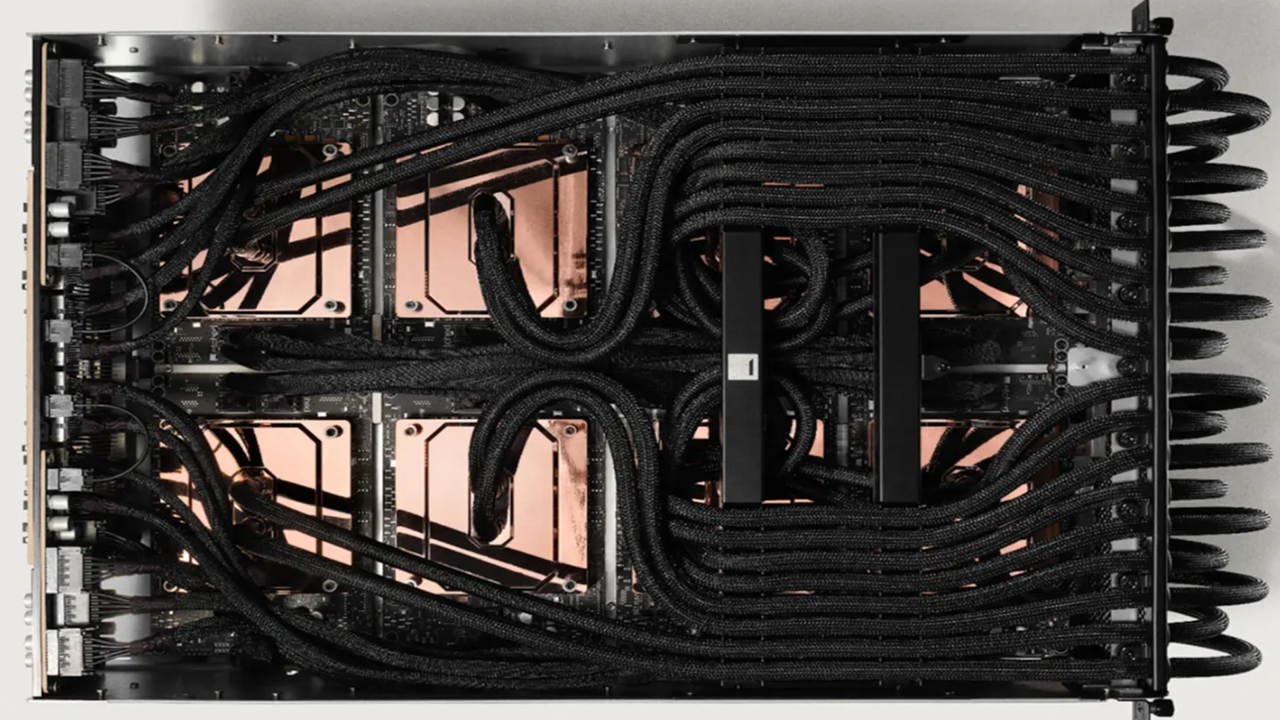
A US-based AI chip startup named Etched has achieved a $10.3 billion valuation after securing fresh backing from SK Hynix. Etched specializes in crafting custom processors for demanding AI inference workloads. The company contends that conventional GPUs provide more computational power than many inference tasks require, yet fall short in memory capacity for increasingly complex AI models.
The fresh funding will be used to manufacture rack-scale inference systems incorporating custom chips, shared memory, and reduced power consumption. Etched's focus lies solely on AI inference, not training large language models. Its systems integrate Low Voltage Inference (LVI) technology and Cluster Scale Memory (CSM), enabling processors to access significantly larger shared memory pools compared to conventional GPUs.
Etched asserts that existing processors encounter challenges in increasing floating-point performance due to higher power consumption and reduced clock speeds caused by thermal limits. To address this, the company developed a unique architecture with a shared low-latency memory pool connected via a proprietary ultra-low-latency, high-bandwidth interconnect for faster memory access.
Etched's CSM architecture aims to minimize delays by reducing additional memory layers during data transfers. The company has attracted significant funding, with total investments reaching around $925.4 million, leading to a valuation surge from $5 billion to $10.3 billion. The latest C-round funding saw participation from notable investors like Sequoia Capital, Andreessen Horowitz, and SK Hynix.
Etched's production will be accelerated, with an 80,000 sq ft facility nearing completion near Milpitas, employing over 400 people and boasting customer demand exceeding $1 billion. The startup aims to support conventional large language models, mixture-of-experts architectures, and alternatives such as Mamba.
Written by urgent.news from TechRadar's reporting — not their text. Machine-written — may contain errors; check the original before relying on it.