You’re Carrying “Ghost DNA” From Extinct Hominins
A new technique reveals human evolution was rife with interbreeding The post You’re Carrying “Ghost DNA” From Extinct Hominins appeared first on Nautilus .
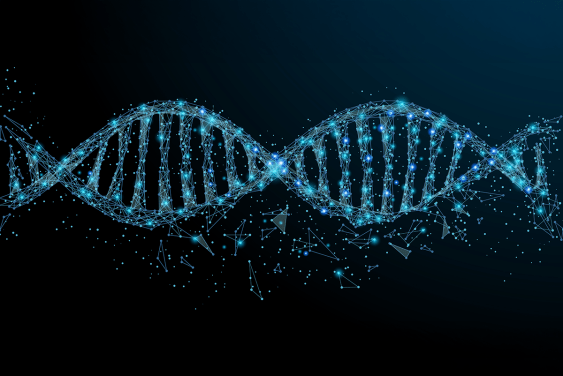
A new study published in Science reveals that all modern humans carry genetic sequences from long-extinct hominins, often referred to as "ghost ancestors." The research team employed a novel technique to identify these ancient genetic traces solely based on modern genomes. They confirmed the presence of Neanderthal and Denisovan sequences in their analysis, two hominin lineages with which early humans interbred and whose DNA remains preserved in fossil records.
Going beyond these well-documented connections, the study also uncovered ancient hominin sequences from even older lineages that have since gone extinct. One such interbreeding event occurred prior to the major migration of Homo sapiens out of Africa, over 50,000 years ago. This particular ghost ancestor contributed up to 1 percent of our genetic material, equivalent to the average amount of Neanderthal DNA in modern humans. This genetic contribution is present in everyone alive today.
Moreover, the researchers found a contribution from a "super-archaic" ancestor in people from Oceania. This lineage diverged from modern humans an astounding 1.8 million years ago. Study co-author Arjun Biddanda from Johns Hopkins University highlighted the excitement surrounding this finding, noting that it reveals genetic contributions from a human lineage that lived over a million years ago, despite the absence of any sequenced DNA from that population.
The team suggests this super-archaic ancestor may be Homo erectus, while the more recent contribution may be from Homo heidelbergensis.
This research paints a more interconnected picture of human evolution, driven not just by branching trees but by repeated episodes of migration and mixing. These archaic genes are primarily found in regions associated with the immune system and metabolic functions, which aligns with the selective pressures of adapting to new pathogens and food sources during human evolution. So, the next time you dodge a cold, perhaps you can thank the ghosts of our ancestors.
Written by urgent.news from Nautilus's reporting — not their text. Machine-written — may contain errors; check the original before relying on it.