What’s Up: August 2026 Skywatching Tips from NASA
A solar eclipse, the Perseids, bright Venus after sunset, and a deep partial lunar eclipse highlight August’s skywatching. Skywatching Highlights Transcript A solar eclipse, one of the year’s best meteor showers, Venus at its brightest in the evening sky, and a lunar eclipse to close out the month. That’s “What’s Up” for August. On Aug. […]
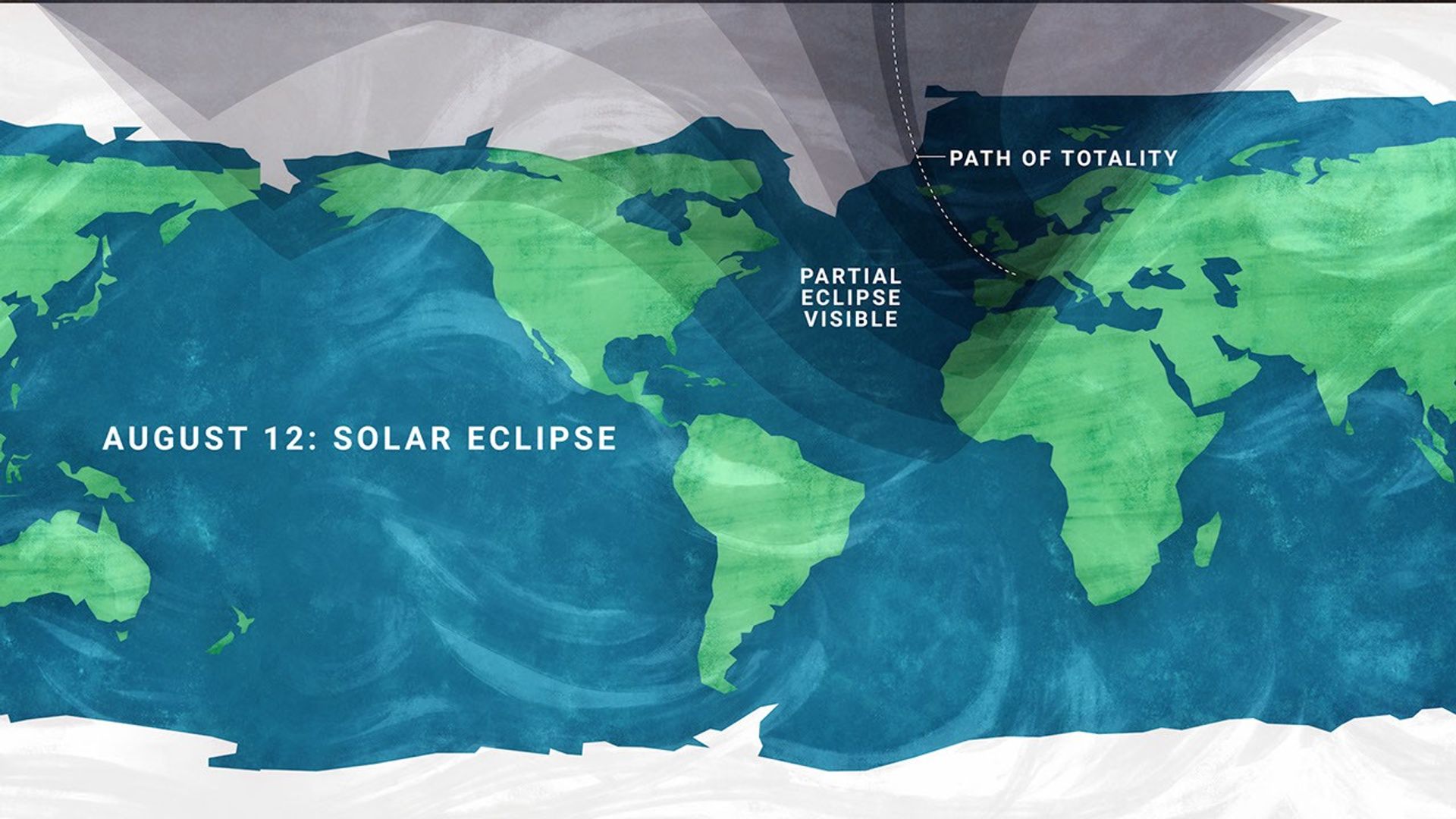
August 2026 promises to be a captivating month for skywatching enthusiasts. The month kicks off with a Last Quarter Moon on August 5, followed by a total solar eclipse on August 12. This celestial event will cross northern Russia, Greenland, Iceland, northern Spain, and a portion of Portugal, with a partial eclipse visible across parts of the United States.
The Moon will only partially cover the Sun, creating a unique visual experience. Observers are advised to use certified eclipse glasses or a safe solar viewer to safely witness the eclipse.
Following the solar eclipse, skywatchers will be treated to the spectacular Perseid meteor shower from August 12 to 13. The peak of this shower occurs under dark skies, offering an extraordinary display of bright streaks of light. The Perseids are debris from Comet Swift-Tuttle, burning up in Earth's atmosphere, creating an awe-inspiring celestial light show. For optimal viewing, look towards the northeast once it's fully dark, as the meteors originate near the constellation Perseus.
As the Perseid meteor shower reaches its peak, Venus will also be making its appearance. On August 14-16, Venus will reach its greatest eastern elongation, appearing at its brightest in the evening sky. Low in the western sky shortly after sunset, Venus will outshine every star around it. With a telescope, Venus will look like a half-lit object, resembling a tiny lunar phase.
Written by urgent.news from NASA's reporting — not their text. Machine-written — may contain errors; check the original before relying on it.
Also reported by 1 other outlet
- What’s Up: August 2026 Skywatching Tips from NASA science.nasa.gov