VoltSeal installs batteries at factories and offices to replace diesel generators
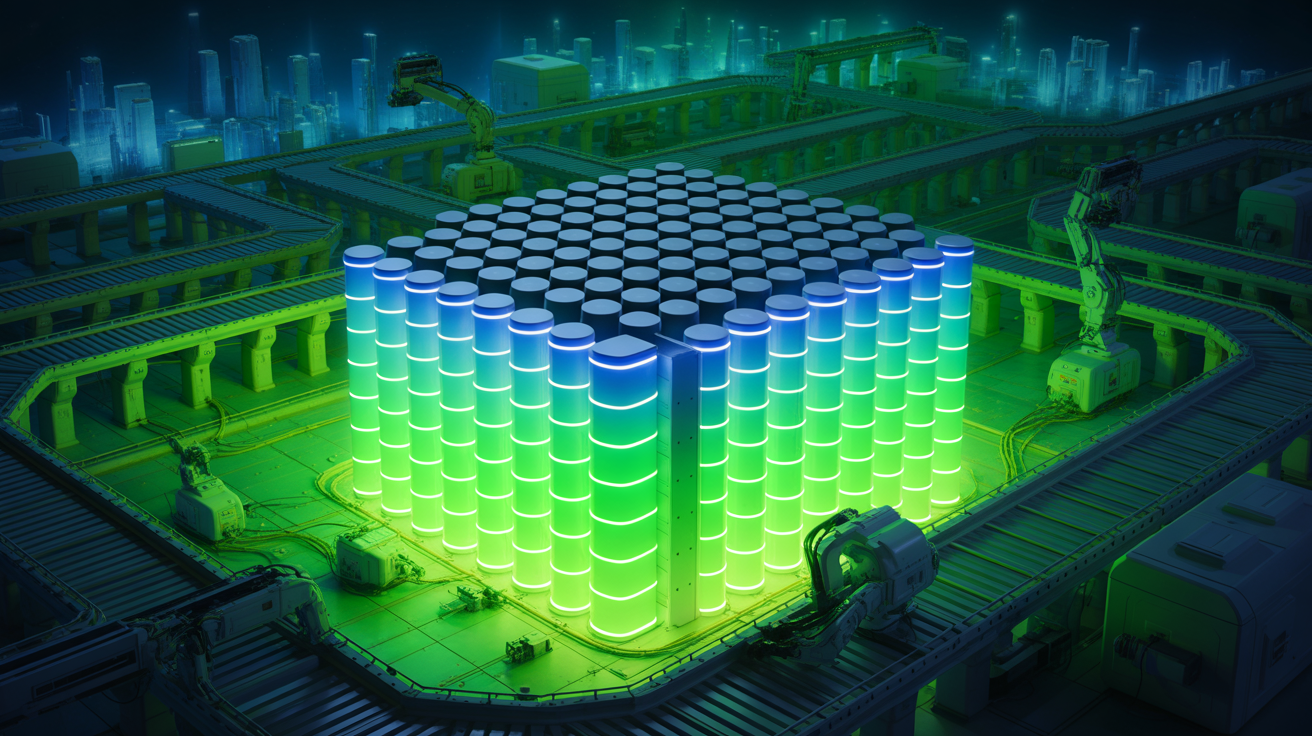
The Delhi-based company puts lithium-iron-phosphate battery systems on commercial and industrial sites, paired with software that decides when to charge and when to discharge.
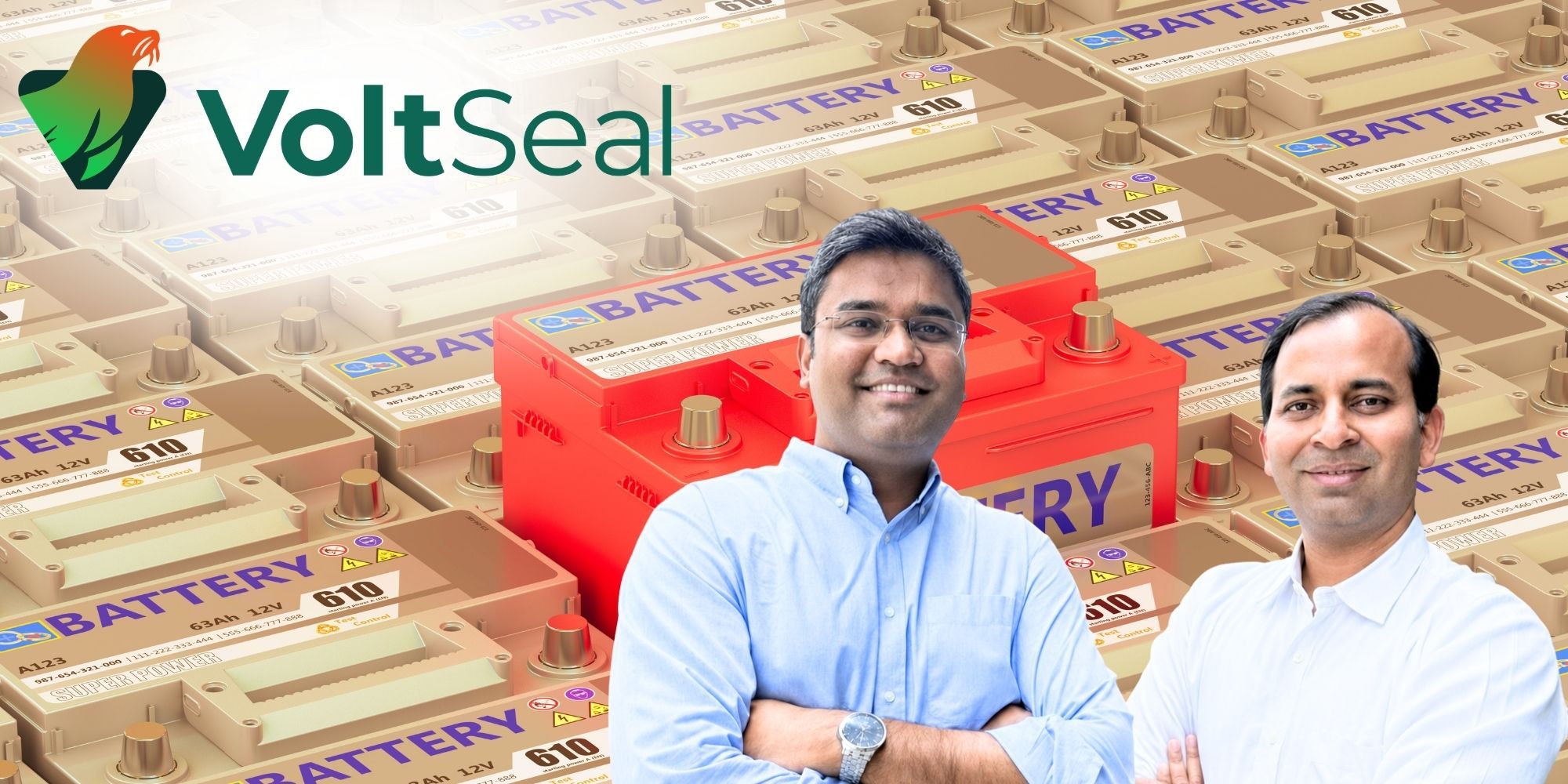
VoltSeal, a company recently established in 2025, seeks to address India's power system inefficiencies by installing lithium-ion battery systems at factories and offices. Founded by Mudit Narain and Abhijeet Pandey, the company is headquartered in New Delhi with an office in Noida. They have secured investment from Theia Ventures, Rainmatter by Zerodha, Momentum Capital, and Social Alpha, as well as received advisory support from Kunal Upadhyay, Ashish Goel, and Manoj Kumar.
India's energy landscape is abundant in solar power generation but struggles with efficient utilization. Production peaks during the day, yet a significant share of this energy goes unutilized. Demand, however, surges in the evening when the sun has set, and electricity tariffs are at their highest. To bridge this gap, factories and offices often rely on diesel generators, which are costly to operate and environmentally detrimental.
Under India's time-of-day pricing system, commercial users pay higher rates for electricity during evening peak hours compared to midday. The company anticipates that such time-based pricing will become standard nationwide by April 2027. VoltSeal's solution involves placing lithium-iron-phosphate battery systems "behind the meter" – directly on the customer's side of the connection – rather than on the grid. These installations are accompanied by software that manages the charging and discharging of the batteries.
The company highlights four primary applications for these battery systems. Firstly, time-shifting technology allows for the storage of cheap or surplus energy, which can then be released when electricity prices rise. Secondly, peak shaving involves discharging power during the highest few minutes of peak consumption, effectively reducing demand charges, which are billed based on the peak rather than the total consumption.
Thirdly, boltSeal's installations can cover outages without the need to start a diesel generator. Lastly, green charging capabilities enable the storage of low-carbon power to charge electric vehicles.
The company's software layer is considered its key differentiator: a battery that only serves as a backup earns little value most of the time. However, a battery actively dispatched against tariffs and demand charges works every day, providing significant utility. The founders' expertise lies in energy policy rather than hardware development.
Narain, who studied at MIT's Technology and Policy Program, has seven years of experience in the World Bank's energy practice and six years in government roles, including at NITI Aayog and the Office of the Principal Scientific Adviser. Pandey brings over a decade of strategy and sustainability experience from PwC India and Xynteo.
Written by urgent.news from YourStory's reporting — not their text. Machine-written — may contain errors; check the original before relying on it.