'Upsetting' that camp fire likely led to rare habitat blaze
The area's National Trust countryside manager says nesting birds, reptiles, small mammals and amphibians will have died.
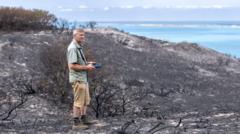
A campfire started by an individual at Headon Warren, a protected area on the Isle of Wight, led to a devastating wildfire that has left lasting damage to rare habitats. The blaze, which burned for nearly five days, left behind nine hectares of charred land and claimed the homes of numerous nesting birds, reptiles, small mammals, and amphibians.
Nightjars lost their habitat, and the area, known for its maritime heathland and rare limestone grassland, supports a variety of unique wildlife including Dartford warblers, nightjars, whitethroats, and stonechats. Rare invertebrates like beetles and the beewolf wasp also depend on the mosaic of heathland and grassland habitats.
It is difficult to quantify the cost to wildlife, but the impact has been significant. The land, which has been a priority for restoration efforts, will take years to recover, with vegetation likely returning to full health in three to four years. Firefighters faced challenging conditions, battling the remote location, steep slopes, and proximity to a cliff edge.
The National Trust and Hampshire and Isle of Wight Fire and Rescue Service worked together to bring in a helicopter for targeted aerial water drops in hard-to-reach areas. While the fire's impact on wildlife is apparent, it also serves as a reminder of the risks posed by wildfires in these sensitive landscapes, especially during prolonged dry conditions.
The National Trust urges visitors to take extra care, avoid lighting campfires or using barbecues, and dispose of waste responsibly to help protect these special places for future generations.
Written by urgent.news from BBC Science's reporting — not their text. Machine-written — may contain errors; check the original before relying on it.