UK wants datacenters to pay a fee for grid connection requests
Refundable charge intended to discourage time wasters from filing applications that will never be realized
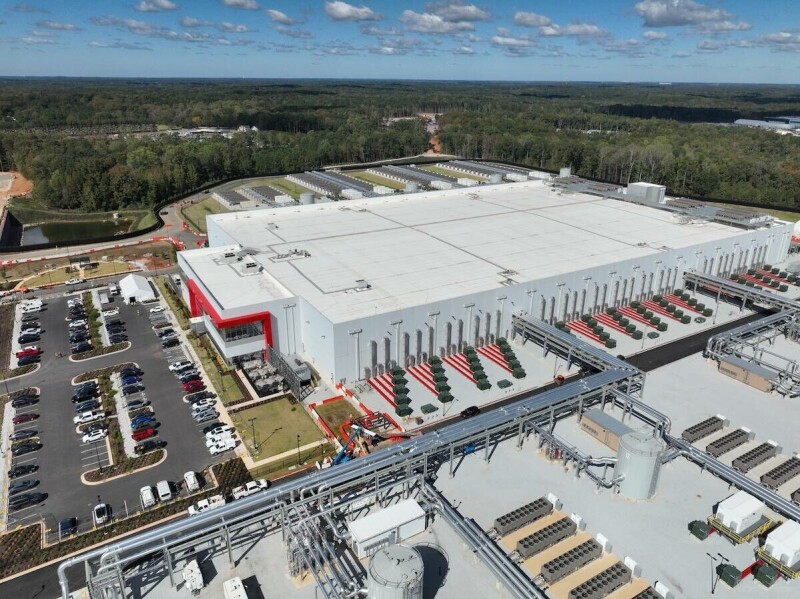
Ofgem, the UK's electricity and gas regulator, is seeking public input on a proposal to charge datacenter developers a fee for requesting grid connections. This initiative aims to deter companies from submitting speculative applications that congest the pipeline and cause delays without resulting in operational datacenters. The surge in connection applications has grown from 41 gigawatts (GW) to 125 GW within a year, with datacenters contributing at least 80 GW of this increase.
Developers claim they face lengthy waits for grid upgrades, necessitating extended periods of waiting for substation enhancements. Ofgem proposes a Datacenter Commitment Fee for large server farm projects upon acceptance of a grid connection offer, refundable upon project completion or forfeited if the project departs the queue early.
Analysts note that the issue extends beyond the UK, affecting other regions worldwide. The fee is expected to be within a range of £237,500 to £712,500 per megawatt, representing 2.5 percent to 7.5 percent of average project costs. Proponents argue that the fee would create a more transparent process and encourage credible projects, while critics warn that it could deter serious investors and fail to address the underlying capacity challenge.
The government's AI Opportunities Action Plan, which includes AI Growth Zones, has been criticized for lacking a comprehensive evaluation of electricity infrastructure readiness. Ofgem's consultation is open until September 16, 2026, aiming to gather diverse perspectives on the matter.
Written by urgent.news from The Register Science's reporting — not their text. Machine-written — may contain errors; check the original before relying on it.
This story
This is one outlet's version. Read the fullest account.
- UK wants datacenters to pay a fee for grid connection requests theregister.com