The Strait of Hormuz Is Exposing a Blind Spot in the Energy Transition
Alternative fuels like jet fuel can help address the energy price volatility that has resulted from the Iran war.
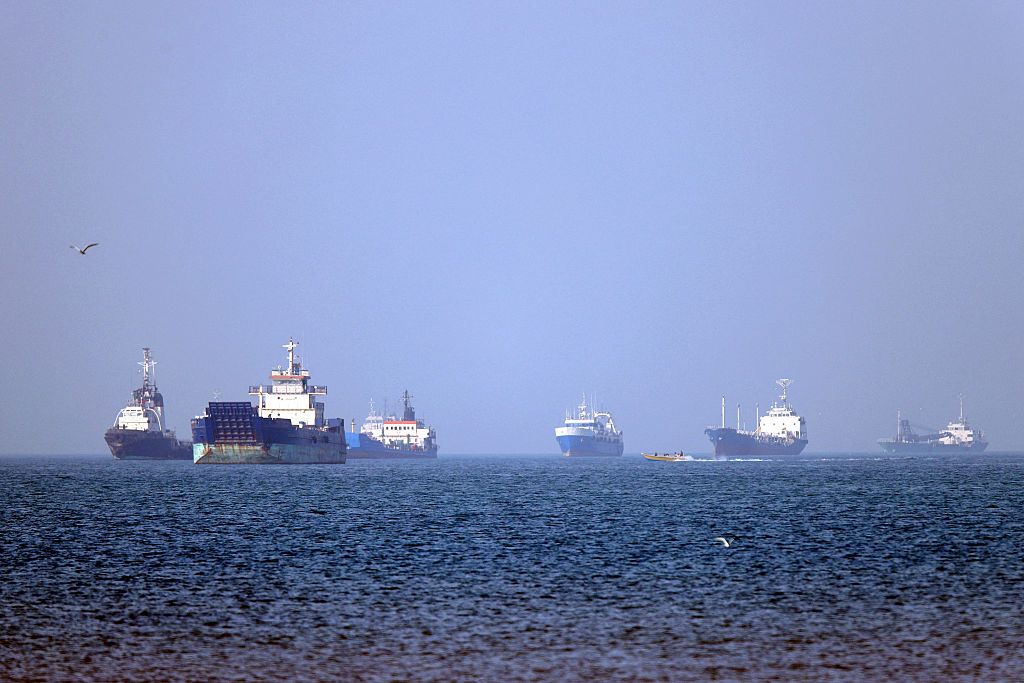
The Strait of Hormuz has become a critical chokepoint for global energy supplies, exposing a significant obstacle in the ongoing energy transition. As tensions persist in the region, the crisis has led to the closure of this vital passage, disrupting the flow of essential fuel shipments and causing substantial price fluctuations.
While electric vehicles and renewable energy sources hold promise for reducing oil consumption in the long term, the reality is that many sectors, particularly aviation, face substantial barriers in adopting alternative fuels. The closure has exacerbated the already high costs of Sustainable Aviation Fuel (SAF), making it unaffordable for airlines in the current market.
Refiners, meanwhile, are enjoying record profits but are hesitant to invest in new projects due to geopolitical uncertainty. At the national level, governments recognize the value of SAF as an energy security measure and have initiated measures such as mandates for airlines to use alternative fuels. However, the implementation and support for these initiatives vary widely across different nations.
Despite the challenges, some businesses are taking steps to deploy alternative fuels, acknowledging the need for innovation in the fuel sector to support the broader energy transition.
Written by urgent.news from Time's reporting — not their text. Machine-written — may contain errors; check the original before relying on it.