Study Reassures on Probiotic Sepsis Risk in Very Preterm Infants
(MedPage Today) -- Probiotic-associated invasive infections were rare in very preterm infants, according to a large retrospective cohort study. Among over 100,000 very preterm infants, 11 developed Bifidobacterium or Lactobacillus invasive infections...
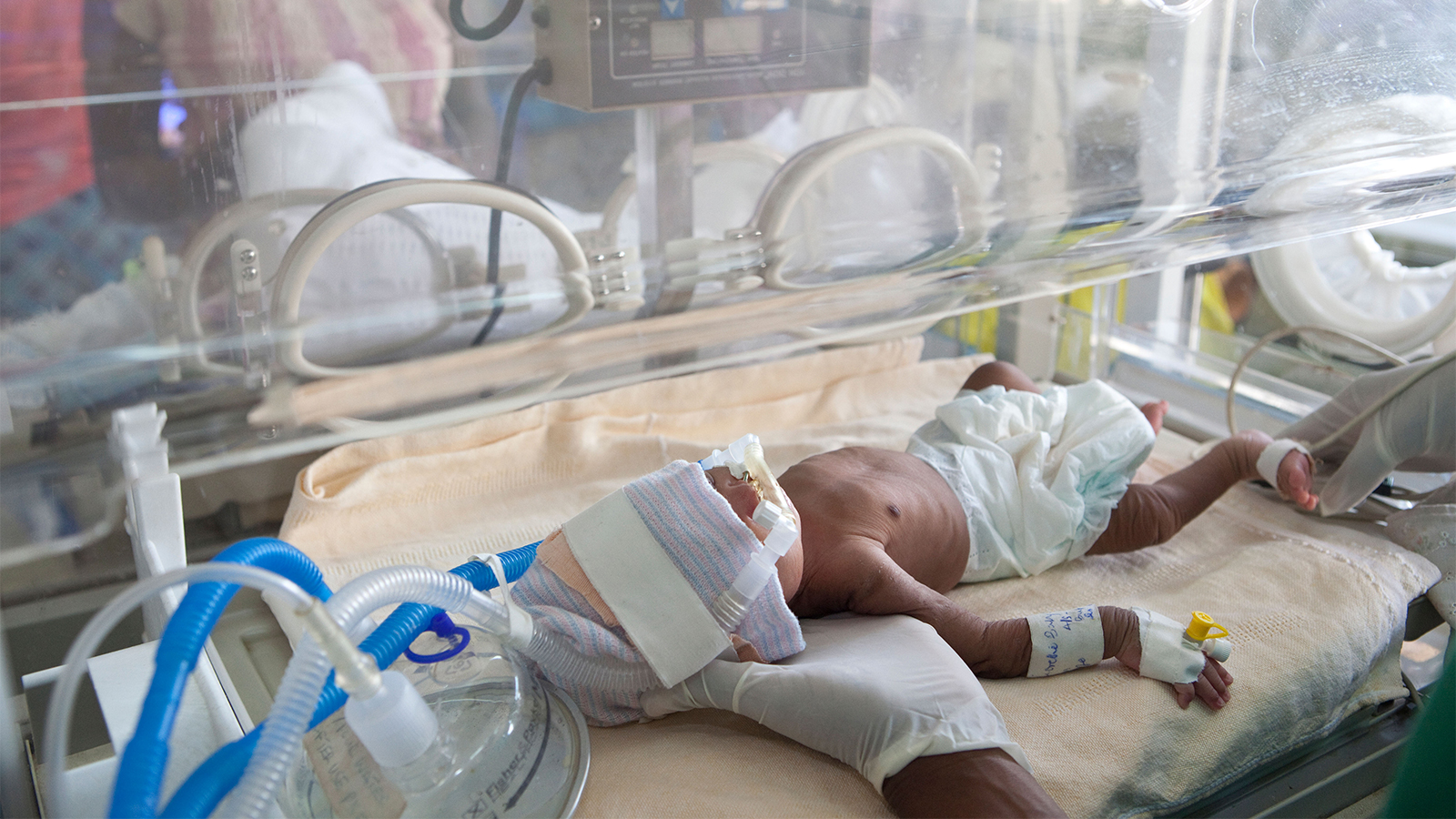
A recent retrospective cohort study conducted by researchers at Emory University and Children's Healthcare of Atlanta has provided reassurance regarding the minimal risk of probiotic-associated sepsis in very preterm infants. Out of over 100,000 infants included in the study, only 11 (0.04%) developed Bifidobacterium or Lactobacillus invasive infections while receiving probiotics, compared to just 3 (0.003%) who did not receive probiotics.
The researchers found that probiotic supplementation increased the absolute risk of these infections by just 0.04%, equivalent to about one invasive infection per every 2,500 supplemented infants. Despite the benefits of probiotics in reducing the risk of necrotizing enterocolitis, death, and late-onset invasive infection, concerns about the risk of sepsis from probiotic organisms persist.
The study's findings provide a more reliable estimate of this uncommon risk, offering valuable information to clinicians, researchers, families, and regulators involved in the care of preterm infants in U.S. neonatal intensive care units. While probiotic-associated sepsis has been reported in case series and case reports, the study's results are consistent with those from a large Canadian cohort study and suggest that the risk of probiotic-associated sepsis is very low.
The FDA had previously issued a warning about the risk of invasive disease in preterm infants administered probiotics, but the absolute risks remain uncertain due to the lack of large cohort studies. The authors emphasize that while the study's limitations include the inability to perform genomic analysis and potential gaps in capturing all bacteria, yeast, or contaminants in probiotic products, the data can still help inform informed decisions for clinicians and families and contribute to the FDA and other regulators' consideration of the safe use of probiotics in the NICU.
Written by urgent.news from MedPage Today's reporting — not their text. Machine-written — may contain errors; check the original before relying on it.