Microbiota-Derived Metabolite Enhances HIV Therapy in Monkeys
The metabolite 10-hydroxystearic acid (10-HSA), from Lactiplantibacillus plantarum , repaired HIV-related gut damage, reduced inflammation, restored immunity, and improved antiretroviral therapy effectiveness in preclinical primate studies, supporting future human trials. The post Microbiota-Derived Metabolite Enhances HIV Therapy in Monkeys appeared first on GEN - Genetic Engineering and…
A new study published in Nature Microbiology has revealed that a metabolite derived from a common gut bacterium called Lactiplantibacillus plantarum can significantly enhance HIV therapy in nonhuman primate models. The metabolite, 10-hydroxystearic acid (10-HSA), was identified as the most effective in repairing gut damage and improving the effectiveness of antiretroviral therapy (ART).
HIV infection often leads to gut inflammation, a weakened defense system, and decreased nutrient absorption, even with strict adherence to ART. The research, conducted at UC Davis Health, suggests that restoring the gut's structural and immune health through 10-HSA supplementation can enhance antiretroviral treatment, offering a new avenue for better HIV control.
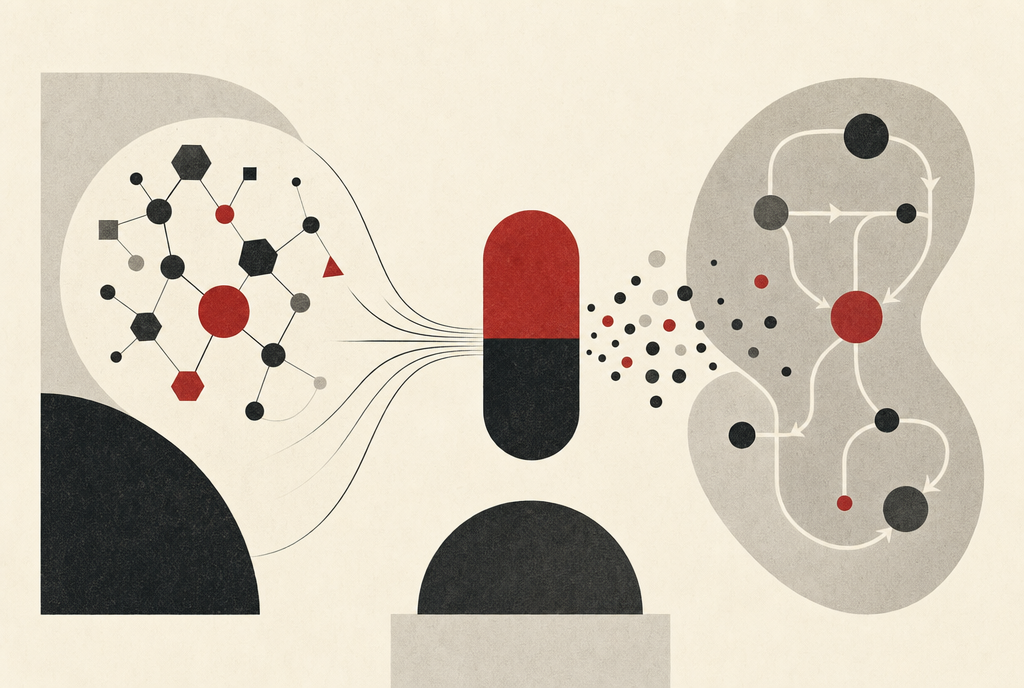
The study found that 10-HSA directly binds to PPAR-alpha, a nuclear receptor that regulates key biological processes. This binding promotes lipid metabolism, mitochondrial regeneration, and epigenetic histone crotonylation, thus encouraging gut epithelial renewal. In trials with SIV-infected non-human primates, 10-HSA, either alone or in combination with ART, resulted in faster clearance of viral burden, improved gut immune cells, and restored gut microbiota.
Researchers caution that these findings are from preclinical models and that further studies are needed to ensure the safety and effectiveness of 10-HSA in humans.
Written by urgent.news from GEN Biotechnology's reporting — not their text. Machine-written — may contain errors; check the original before relying on it.