Ketamine Triggers Sex-Specific Brain Recovery Responses
A study in mice has shown how shown that microglia immune cells in the brain play a critical role in how the brain recovers from ketamine anesthesia, and indicates that there are differences between female and male brains. The post Ketamine Triggers Sex-Specific Brain Recovery Responses appeared first on GEN - Genetic Engineering and Biotechnology News .
During ketamine anesthesia, a unique pharmacological property emerges as an N-methyl D-aspartate (NMDA) receptor antagonist, targeting GABAergic inhibitory interneurons. This distinct function sets ketamine apart from other anesthetics, altering not just unconsciousness but also neural pain perception and memory formation. Ketamine's impact on neuronal connections extends beyond immediate unconsciousness, provoking a recovery phase that remains shrouded in mystery, particularly concerning sex-specific differences in brain plasticity following anesthesia.
Research spearheaded by Sandra Siegert at Institute of Science and Technology Austria (ISTA) and Alessandro Venturino at Allen Institute for Brain Science in Seattle has now unveiled critical insights into this enigma. Through a study involving mice, the team discovered that microglia, specialized immune cells deep within the neuronal network, play a pivotal role in shaping sex-specific brain recovery responses.
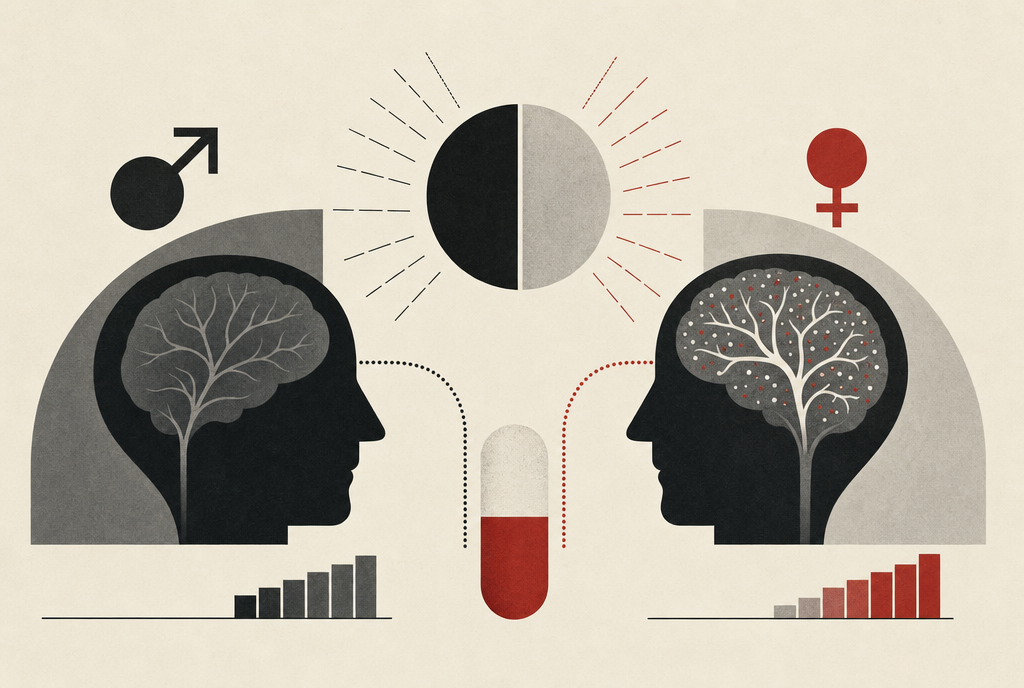
These microglial cells, pivotal in maintaining optimal brain function, exhibit subtle yet significant behavioral differences between male and female mice in response to ketamine anesthesia. Female mice, unlike their male counterparts, display prolonged microglial contacts with neurons post-anesthesia, marking the onset of synaptic remodeling and plasticity.
This phenomenon, however, is notably absent in male mice. Crucially, this selective microglial activity hinges on corticosterone, a stress hormone that rises during the recovery phase in females. In the presence of corticosterone, FKBP51—a protein regulating stress signals—is upregulated in female microglia, facilitating a unique interaction with neurons.
The hypothesis posits that this corticosterone-induced activation of stress response genes in female microglia underpins sex-specific neuronal adaptation during ketamine's recovery phase. The study, published in Science Advances, underscores the critical interplay between the endocrine system and the brain-immune axis, revealing a potential evolutionary advantage for females, potentially linked to greater demands for social, emotional, and multitasking adaptability, such as childcare and resource gathering.
Further experiments, which included the removal of adrenal glands to block corticosterone production, confirmed the hormone's indispensable role in female microglial-neuron interactions during recovery. While the precise mechanisms explaining sex-specific differences in brain recovery responses from ketamine anesthesia remain elusive, these findings pave the way for a deeper understanding of the intricate relationship between stress hormones, microglia, and neuronal plasticity.
Written by urgent.news from GEN Biotechnology's reporting — not their text. Machine-written — may contain errors; check the original before relying on it.