Inside the NYC courtroom where detained children face deportation without attorneys
This story was originally published on July 31 by The City Reporter. Sign up here to get the latest stories from The City Reporter delivered to you each morning. Throughout the summer, inside a small, fluorescent-lit courtroom in Lower Manhattan , hundreds of migrant children, some as young as 3, faced deportation hearings. Most appeared virtually. Some sat around desks in a classroom, while…
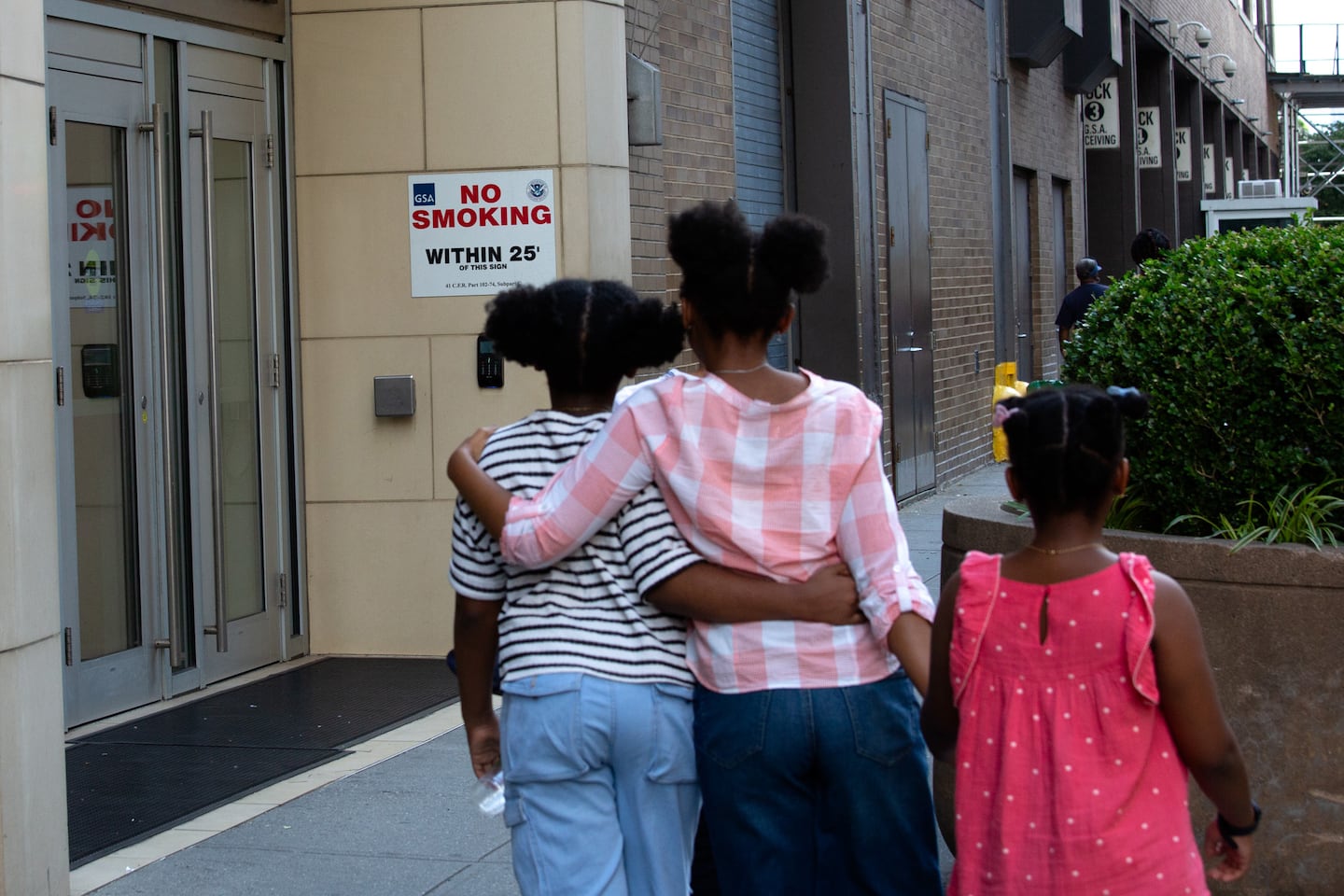
In a cramped, lit courtroom in Lower Manhattan, hundreds of migrant children, some as young as three, faced deportation hearings. Most appeared virtually, seated around desks or bunk beds in small offices and storage closets. Detained in nearby shelters for unaccompanied minors, the majority lacked lawyers during their court appearances. Federal regulations and law typically prevent deportation proceedings from proceeding without legal representation, yet at Judge Lisa W. Ling's court, these safeguards seemed absent.
Judge Ling, a former ICE prosecutor appointed by President Trump, questioned the unrepresented children about why they came to the U.S., their fears of returning home, their schooling, and their experiences in Guatemala. When a child advocate intervened on behalf of a preteen from Guatemala, the judge disregarded the warning and continued with the proceedings.
Ling oversees the "detained juvenile docket" where all children held in shelters overseen by the Office of Refugee Resettlement in New York City, Long Island, and the Lower Hudson Valley must appear for deportation. Out of over 300 such cases between late June and late July, only a quarter had attorneys assigned, according to court records.
The Trump administration's $356 million-a-year contract for legal services is set to expire, potentially stripping 20,000 unaccompanied migrant children across the U.S., including 1,300 in New York, of federally funded legal aid. This could force many children to accept voluntary departure, even if they face severe danger in their countries of origin.
Shaina Aber, executive director of the Acacia Center for Justice, warns that this represents an "all-out war on their due process rights." Despite federal law requiring the government to fund legal counsel for minors in deportation, funding came under attack when the administration attempted to cancel Acacia's contract. HHS delayed payments and requested new information about the children represented, which advocates claim breaches attorney-client privilege. The government argues this is part of a broader effort.
Written by urgent.news from Chalkbeat's reporting — not their text. Machine-written — may contain errors; check the original before relying on it.