Drifting tuna fishing gear enter half of marine protected areas: study
Marine protected areas (MPAs) may prohibit industrial fishing within their boundaries, but they cannot stop fishing gear released elsewhere from drifting inside. A new global study estimates that drifting fish aggregating devices (dFADs) used by industrial tuna fleets affect more than half of the world’s protected marine areas. Some travel thousands of kilometers before sinking […]
Marine protected areas (MPAs) may ban industrial fishing within their boundaries, yet they fail to prevent drifting fishing gear from entering these zones. A comprehensive global study reveals that drifting fish aggregating devices (dFADs) utilized by large-scale tuna fleets affect more than half of the Earth's protected marine regions.
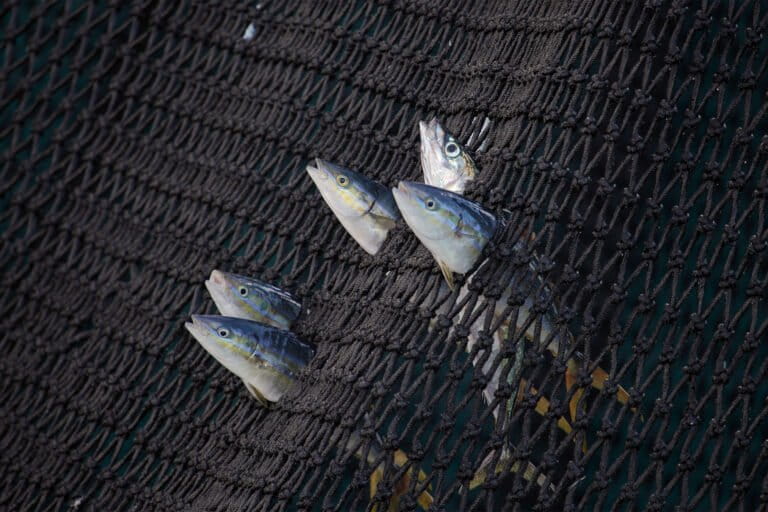
These devices can travel vast distances, sometimes crossing thousands of kilometers, before finally sinking or washing up on shore. Once they arrive, they pose various threats, including damaging coral reefs, entangling marine life, and leaving coastal communities with the task of cleaning up the debris.
The study, published in the journal Science Advances in June 2026, synthesized various sources of information such as fishing records, published research, an online survey of MPAs and their staff, as well as follow-up interviews. Lead author Boris Worm, a marine ecologist at Dalhousie University in Canada, expressed surprise at the findings, stating, "We were surprised to find that FADs appear to affect more than half of the world’s protected marine area, and that impacts often occurred thousands of kilometers from the original fishing grounds."
Dive deeper into the world of fishing, and you will find purse seiners attached to dFADs catching schools of tuna in the Western Central Pacific. These floating rafts, equipped with satellite-linked buoys and echo sounders, aid companies in tracking their location and estimating the number of fish beneath them. However, many of these devices are deactivated after use.
Written by urgent.news from Mongabay's reporting — not their text. Machine-written — may contain errors; check the original before relying on it.