Congress trades stocks. Everyone hates that. Could it tip the midterms?
Leading up to the midterm elections in November, corruption is proving to be a defining issue in many battleground states and districts. An April poll , commissioned by End Citizens United (ECU) and conducted by Change Research, showed that more than 40% of likely voters ranked corruption in Washington, D.C., as their top concern—second only to threats to democracy and the voting system, and even…
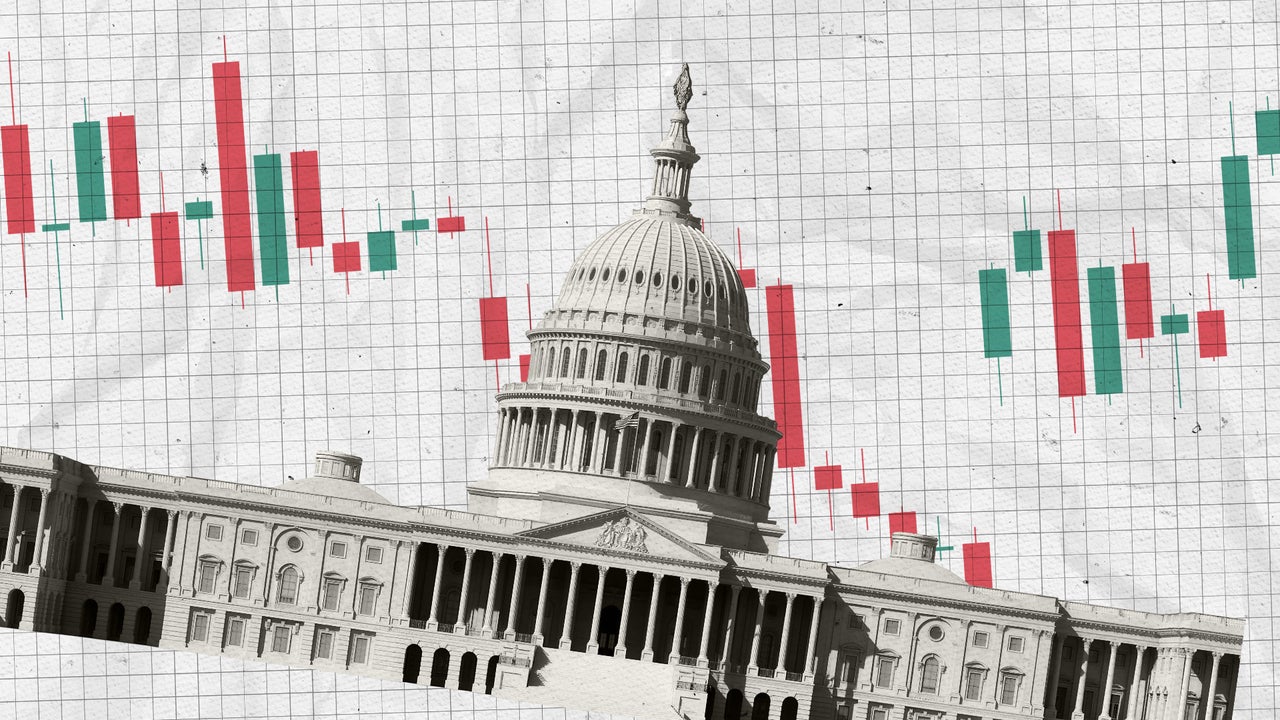
In the run-up to the November midterm elections, corruption is emerging as a prominent issue in numerous battleground states and districts. A poll commissioned by End Citizens United and conducted by Change Research found that over 40% of likely voters deemed corruption in Washington, D.C., as their top concern, trailing only threats to democracy and the voting system.
One particularly contentious form of corruption involves suspicious stock trading by members of Congress, which voters find particularly distasteful. Research has shown that 86% of Americans support banning stock trading by members of Congress, yet some D.C. lawmakers continue to engage in such activities, despite reassurances from others to refrain.
While members of Congress are permitted to trade stocks and other securities, conflicts of interest arise when they hold shares in sectors they influence or oversee, or act on nonpublic knowledge. Pre-pandemic, dozens of congressional members collectively traded over $150 million in preparation for market downturns. The Stop Trading on Congressional Knowledge (STOCK) Act, enacted in 2012, obligates members to disclose their trades to the public or face fines, but this measure has not deterred legislators from trading and potentially profiting from their positions.
In northeastern Pennsylvania's 8th Congressional District, concerns about congressional stock trading have reached a fever pitch. Representative Rob Bresnahan Jr., a Republican who won his seat in 2024 on a promise to end the practice, has nonetheless become a frequent trader, making approximately 650 trades totaling $8.4 million in volume this year.
In response to the backlash, Bresnahan introduced the Transparency in Representation through Uniform Stock Trading Ban (TRUST) Act, which has yet to gain traction. The issue resonates with voters in the district due to a history of political corruption, as pointed out by Paige Cognetti, the Democratic opponent in the 2025 race. Bresnahan's transition from the private sector to public service, coupled with his initial promise to end stock trading, has fueled the criticism.
However, the problem is not unique to Bresnahan's district or party; Democrats and Republicans alike have been embroiled in controversy over stock trading by members of Congress.
Written by urgent.news from Fast Company's reporting — not their text. Machine-written — may contain errors; check the original before relying on it.