Cannabis use predicts worse clinical outcomes in newly psychotic patients
Young adults who experience psychosis after heavy cannabis use face slower recovery times if they also battle clinical depression and hopelessness. A recent two-year study highlights how these mood states create a dangerous cycle of persistent symptoms.
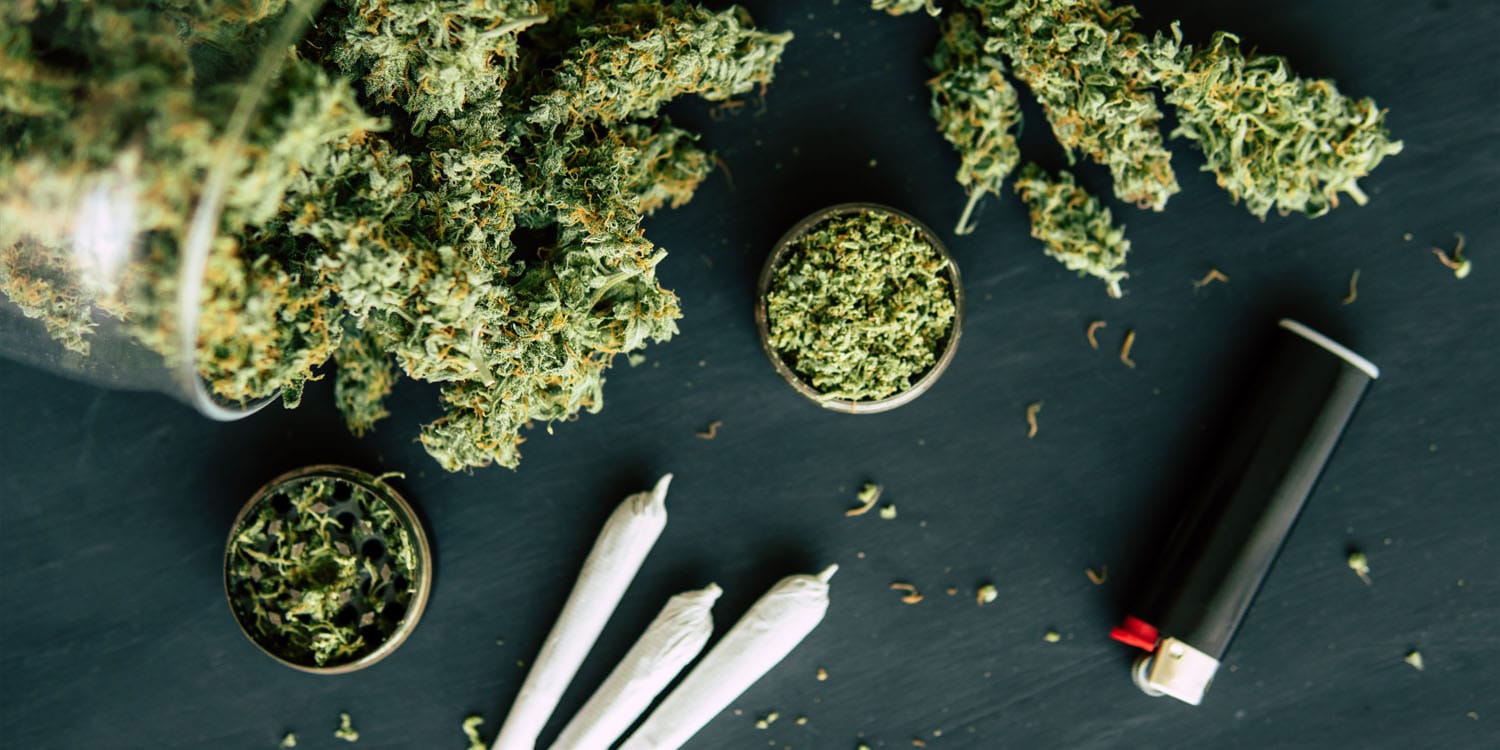
A recent observational study published in the journal Addictive Behaviors has found that cannabis use may predict worse clinical outcomes in newly psychotic patients. This research, conducted by Valerio Ricci and his team at the University of Turin in Italy, aimed to explore the emotional components of psychosis in individuals who developed psychotic symptoms after heavy cannabis use.
The study followed 72 young adults for a two-year period at three psychiatric centers in Northern Italy, all of whom had experienced their first psychotic episode due to cannabis consumption.
Prior to their mental health crisis, most participants consumed cannabis on a weekly or daily basis. The researchers assessed the participants' depression, hopelessness, and overall psychotic symptoms at the start and then at six, twelve, and 24 months. Clinical evaluations revealed that high levels of depression and hopelessness independently predicted more severe psychotic symptoms over the two-year period.
Participants with elevated emotions early on were more likely to experience a sluggish recovery, falling into the minimal improvement category.
The study identified three general recovery paths: rapid improvement, gradual improvement, and minimal improvement. Those who scored high in depression and hopelessness were at a higher risk of falling into the minimal improvement category, indicating a difficult recovery. This emotional burden also predicted worse overall functioning, making it challenging for individuals to return to typical social and occupational activities.
Statistical modeling showed that depression and hopelessness partially mediated the relationship between ongoing cannabis use and persistent hallucinations or delusions, explaining a significant portion of the statistical effect. This suggests that cannabis use worsened mood states, which in turn fueled the continuation of psychotic symptoms.
The researchers found that avoiding cannabis after the initial psychotic episode significantly improved patients' emotional states and psychological well-being, with those who abstained from cannabis experiencing substantially better outcomes over time.
Unfortunately, many participants continued consuming cannabis during the follow-up period, with about 60 percent still using the drug. Those who abstained fared better emotionally and psychologically. The combination of continued cannabis use and severe mood disturbances created a dangerous environment for psychiatric relapse, with about 43 percent of participants experiencing a relapse during the follow-up period.
Of those relapsing, continued cannabis use with feelings of depression and hopelessness was associated with a relapse risk more than four times higher than those who avoided these compounded risk factors.
Written by urgent.news from PsyPost's reporting — not their text. Machine-written — may contain errors; check the original before relying on it.