Bali’s traditional boats embody centuries of maritime tradition – but they’re quickly disappearing
Bali’s traditional elephant-fish canoes embody generations of craftsmanship, spiritual belief and maritime knowledge. But only a handful remain.
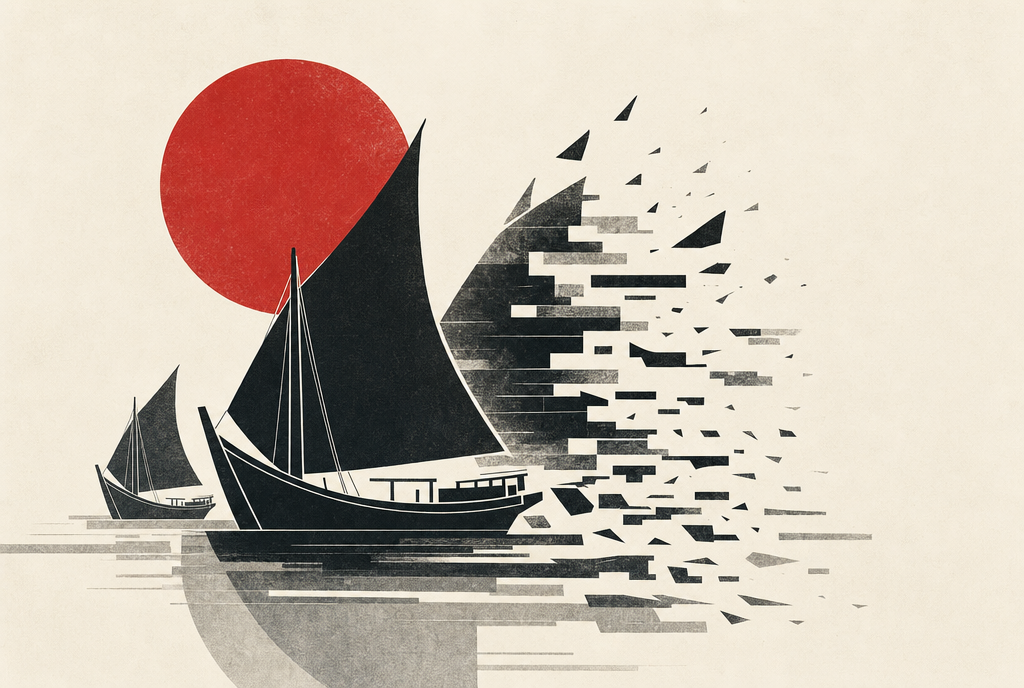
In the not-so-distant past, Bali’s coastline was graced by traditional fishing canoes adorned with striking carvings of mythical elephant-fish. However, these jukung pelasan are becoming increasingly rare. Once an integral part of daily life for fishing villages along Benoa, Nusa Dua, and Sanur, the boats now face a steep decline.
The decline of these boats mirrors broader changes reshaping Indonesia’s living maritime heritage. Tourism has been a driving force behind this transformation, transforming once-fisherman-dominated beaches into bustling resorts. As the tourism industry boomed, traditional fishing communities dwindled, and so did the demand for the jukung pelasan.
The boats’ replacement by fibreglass replicas and export to collectors overseas signals a loss of cultural significance. Today, only a handful of these boats remain, scattered across museums worldwide. Preserving these boats isn’t just about salvaging a relic of the past; it’s about safeguarding the knowledge and traditions that sustained coastal communities for centuries.
As the tourism industry continues its growth, the few remaining fishing communities face additional challenges, reminding us of the delicate balance between progress and preserving our maritime heritage.
Written by urgent.news from The Conversation AU's reporting — not their text. Machine-written — may contain errors; check the original before relying on it.