Amending AB 1709 Doesn’t Fix It: California’s Social Media Ban Still Threatens Free Speech and Privacy
California lawmakers have amended A.B. 1709 , but the core problem remains: the bill is still a ban on social media access for youth under 16 , and it still threatens the privacy and First Amendment rights of all Californians. Proponents of the bill may argue that the recent amendments represent a compromise , but a close look at the text shows no major changes. As the bill moves forward in the…

California lawmakers have made amendments to Assembly Bill 1709 (A.B. 1709), but the fundamental issue persists: the bill remains a restriction on social media access for individuals under 16, and it continues to jeopardize the privacy and First Amendment rights of all Californians.
The proponents of the bill might claim that the recent modifications constitute a compromise; however, a closer examination of the text reveals no substantial changes. As the bill progresses in the Senate, it is imperative to persistently urge lawmakers to vote against it.
According to the newly amended Section 22683, platforms are barred from presenting "addictive features" to users under the age of 16. However, the bill defines "addictive feeds" so broadly that it encompasses virtually all functional recommendation algorithms. This includes basic inputs such as who a user follows, what posts they like, or their self-proclaimed interests.
By classifying these fundamental tools and features as "addictive," the bill also draws sweeping conclusions about the unsettled science surrounding social media use, youth, and addiction.
As a result, the impact of A.B. 1709 remains consistent: minors under 16 will be denied entry to major social media platforms as they are presently structured. Even if a platform attempts to comply by removing recommendation systems for minors, this still infringes upon the First Amendment. Recommendation systems are the primary means by which users discover speech and disseminate their own content.
Compelling young people to use a dysfunctional and stripped-down version of social media hinders their constitutional right to access information and engage in public discourse.
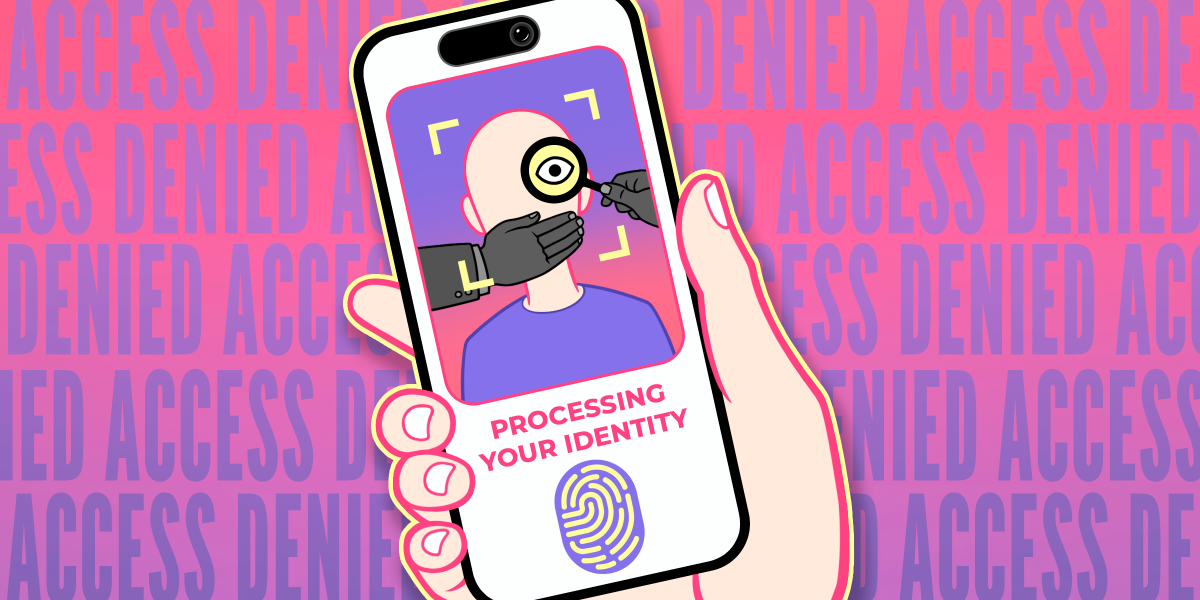
The amendments do not resolve the privacy concerns associated with age verification. Although the bill references the age-signaling framework from A.B. 1043, Section 22684 explicitly stipulates that a covered platform "shall verify the age of a user," and imposes liability on platforms whenever an individual under 16 successfully bypasses an age check.
Due to the lack of specific guidelines on how verification should be conducted without requiring additional proof, the bill will, in practice, compel platforms to implement the most stringent age verification measures. To comply, platforms may necessitate users to submit government-issued identification or undergo biometric scanning.
Forcing users to disclose their personal information will generate extensive honeypots of sensitive data, eroding online anonymity and exposing users of all ages to security breaches. Furthermore, relying on biometric systems to verify users' ages is problematic because these systems have a history of high error rates when estimating ages across racial and gender lines.
Written by urgent.news from EFF Deeplinks's reporting — not their text. Machine-written — may contain errors; check the original before relying on it.