Wind farms join bottom trawlers and oil rigs in a protected North Sea sandbank
In the North Sea, the vast, shallow sandbank known as Dogger Bank was once among the most productive marine nurseries in Europe. The area stretches across U.K., Dutch, German and Danish waters, and is home to a vast array of marine life, including sharks, rays, dolphins, long-lived shellfish, anemones, corals, sand eels, and seabirds, prompting […]
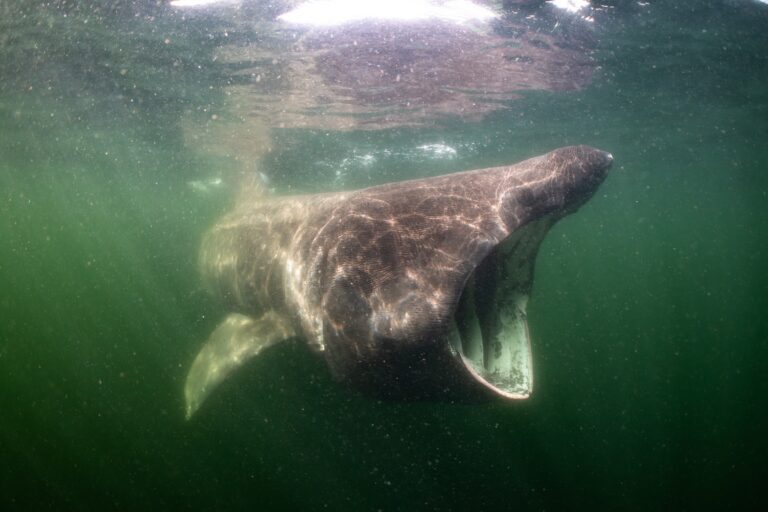
The North Sea's Dogger Bank, once a thriving marine nursery, now faces a dual threat from destructive industries. Covering an expansive 18,765 square kilometers, this vital habitat spans U.K., Dutch, German and Danish waters, teeming with diverse marine life such as sharks, rays, dolphins, and seabirds. Despite portions of Dogger Bank being designated as protected zones, destructive activities like oil and gas extraction, as well as bottom trawling for fishing, persist.
Recent court rulings have curtailed bottom trawling in the Dutch protected section, yet conservationists argue threats linger, particularly from large-scale wind farm developments in the U.K. section. Managing such a vast area is complicated, as Dogger Bank is divided into three separate marine protected areas (MPAs), each governed by a different country.
The German section was the first to receive protection in 2007 under the EU's Habitats Directive, followed by the Dutch section in 2009, and the U.K. section in 2012. Now, after leaving the EU, the U.K. manages its Dogger Bank Special Area of Conservation (SAC) independently.
Written by urgent.news from Mongabay's reporting — not their text. Machine-written — may contain errors; check the original before relying on it.