US-listed Chinese stocks benefit as Fed policy haze drives rotation amid AI slump
Chinese stocks trading overseas may emerge as a shelter for global investors, as confusion over the Federal Reserve’s monetary path drives diversification away from US equities and bonds amid a stumbling artificial intelligence trade. The Nasdaq Golden Dragon China Index of the biggest Chinese companies listed in the US has bucked a broader sell-off since the Fed’s July rate-decision meeting,…
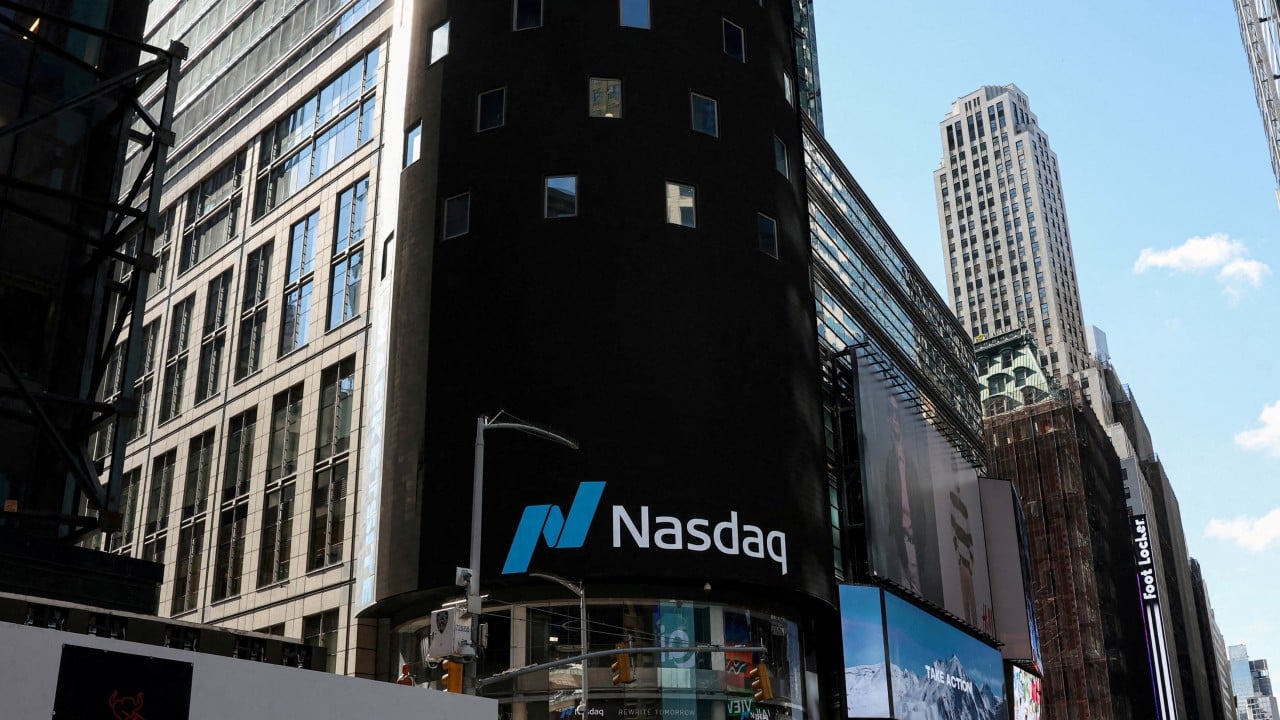
Overseas Chinese stocks may provide a refuge for international investors amid uncertainty surrounding the Federal Reserve's monetary policy and a downturn in the artificial intelligence sector. The Nasdaq Golden Dragon China Index, comprising the largest Chinese companies listed in the US, has risen 1.7 percent since the Fed's July rate decision, whereas the Nasdaq-100 declined 2.1 percent and longer-term Treasuries also fell.
Concerns over the Fed's credibility, following Chairman Kevin Warsh's dismissal of policy guidance and the dot-plot map, may contribute to heightened volatility in US stocks.
Chinese stocks traded in the US are not speculative or leveraged bets, but rather viewed as defensive assets in a market rife with uncertainty. Companies such as Alibaba Group Holding and others have rebounded since lagging throughout the year, as the negatives from stagnant profit growth and price wars in the e-commerce industry have largely been priced in.
Wang Chen, a partner at Xufunds Investment Management in Shanghai, emphasizes that Chinese stocks traded in the US are not crowded or high-leveraged trades, but rather defensive in an uncertain market. For US stocks, the rate issue is akin to a hanging knife, causing disruption until a hike is actually implemented.
Moreover, investments have migrated to companies with a defensive profile and clearer earnings outlook in US stocks, with funds flowing into pharmaceutical and consumer sectors from AI-linked names. The Golden Dragon China Index, which includes Alibaba, JD.com, and NetEase, is poised to outperform key US benchmarks this month, having risen 7.4 percent in July, contrasting with a 10 percent decline in the Nasdaq 100 and a 2.4 percent retreat in the S&P 500.
A similar trend is also evident in Hong Kong, where mainland Chinese tech stocks have rallied following the deleveraging of margin trading in South Korea, fostering a shift towards safer investments. The Hang Seng Tech Index, tracking companies like Alibaba and Tencent Holdings, has risen about 7 percent this month, resilient to the unraveling of AI enthusiasm.
Written by urgent.news from SCMP Tech's reporting — not their text. Machine-written — may contain errors; check the original before relying on it.
This story
This is one outlet's version. Read the fullest account.