The Odyssey of the Stone Age Maltese
New research points to a seafaring people who ranged far and wide The post The Odyssey of the Stone Age Maltese appeared first on Nautilus .
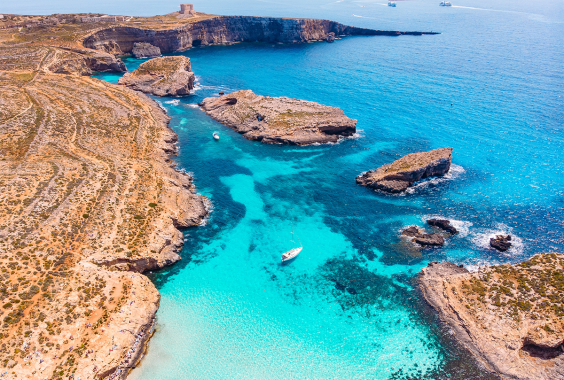
New research unveils the remarkable journey of Stone Age seafarers who inhabited Malta, an island nation off the coast of Sicily. Despite its minute size, Malta has a population of over half a million and can only produce 20 percent of the food those inhabitants consume, relying on trade for sustenance. This presents a puzzling scenario, as Stone tools and other evidence indicate that the island was once populated by hunter-gatherers between 8,500 and 7,500 years ago.
These foragers did not rely on farming the limited land available, leading to the question of how they managed to survive.
A new study published in PNAS Nexus offers some answers to this enigma. An international team of archaeologists utilized paleoclimate data, sea-level models, and insights from modern ethnographic sources to reconstruct Malta's past. Their findings suggest that Malta was once connected to the larger Sicily by a land bridge, which later became separated around 14,200 years ago due to rising sea levels.
Before the split, the team estimated that Malta could support a maximum population of 419 individuals. After the split, the population dropped to around 150 to 170, which the researchers say was not genetically sustainable.
Contrary to the belief that Malta was a final destination for a genetically doomed population, the study reveals that the island served as a crucial stopover for Stone Age seafarers. They hunted, fished, and gathered resources for at least a millennium, potentially serving as just one of many isolated hubs. According to study author Elearnor Scerri, the Stone Age hunter-gatherers of Malta embarked on an extensive odyssey, establishing connections between islands and coastlines, possibly even across continents.
Their journey was far from typical, as they adapted to the changing environment and maintained social networks long before the modern world.
Written by urgent.news from Nautilus's reporting — not their text. Machine-written — may contain errors; check the original before relying on it.