The genome of a long-extinct ancient human is hiding within us
We all have bits of DNA from a long-lost “ghost ancestor” inside us – and by putting all the different bits together, we might be able to reconstruct their genome
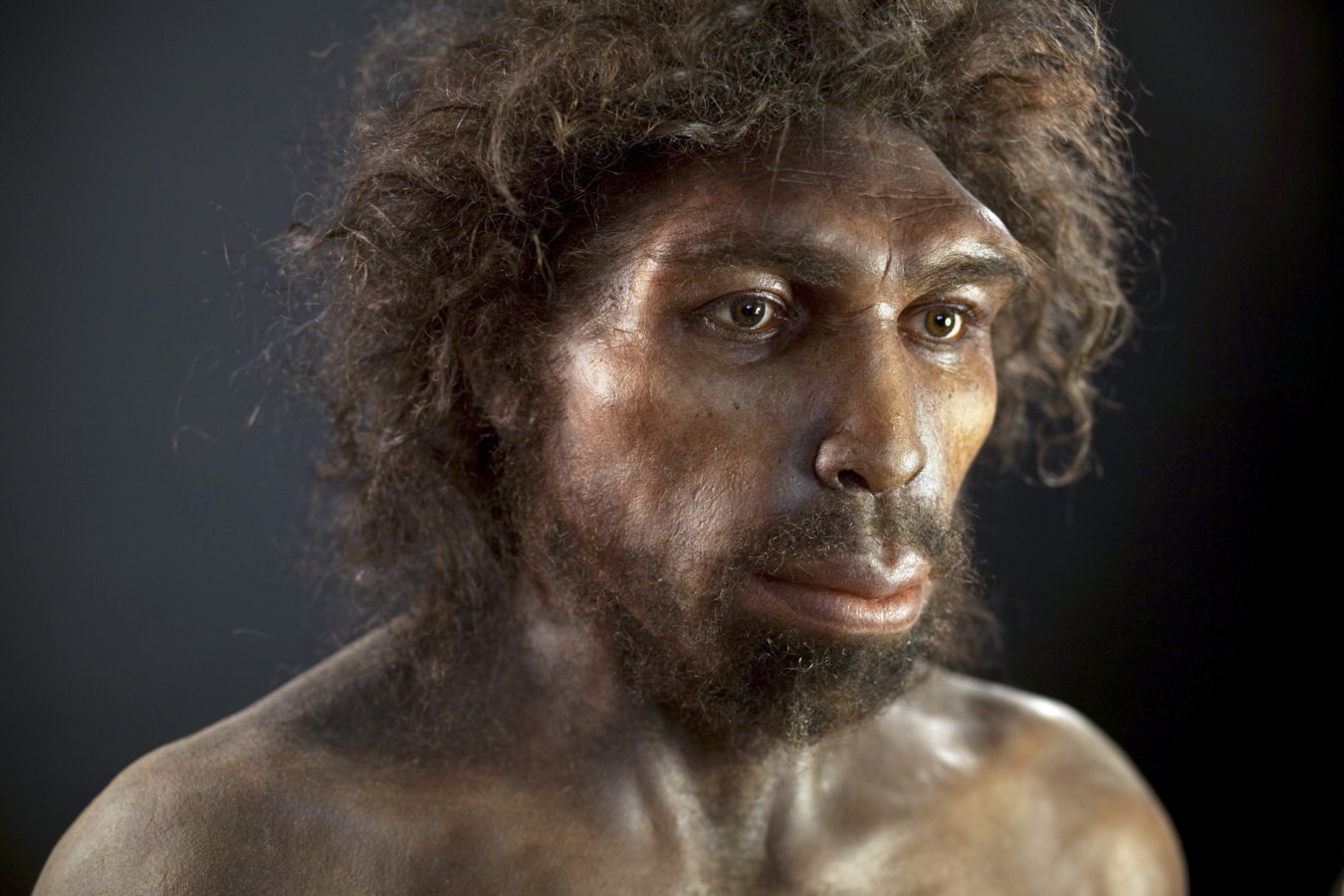
Our ancestors mated with at least two ancient human species besides Neanderthals and Denisovans. Scientists have developed an advanced method that reveals which parts of our DNA came from these "ghost ancestors." It turns out that nearly the entire genome of one such ghost ancestor is preserved in tiny fragments dispersed throughout the DNA of all living humans.
For each person, roughly 0.5 to 1 percent of their DNA is from this ghost ancestor, though the specific segments vary among individuals. Notably, these fragments are spread evenly across the entire genome. In any living person, the DNA from this ghost ancestor likely represents almost an entire genome. Previous research found that humans interbred with Neanderthals and Denisovans within the last 50,000 years, using ancient DNA from fossils.
However, this new approach has significantly enhanced our ability to uncover our ghostly ancestry. It creates a "family tree" for genome segments, a technique only recently computationally feasible. By applying this method, researchers identified Neanderthal and Denisovan DNA within modern human genomes. They were able to locate high amounts of this "ghost" ancestry in regions where those lineages are typically absent.
This is thought to be because Neanderthals and Denisovans had small populations, making them more likely to harbor harmful mutations. Consequently, there's less Neanderthal or Denisovan ancestry in those areas. However, a larger portion of DNA from the ghost ancestor appears to be beneficial or neutral, suggesting strong selective pressure or neutrality.
The researchers hypothesize this ghost ancestor could be Homo heidelbergensis, based on its fossil record in Africa. Another ghost ancestor, much older than the other, split from modern humans about 1.8 million years ago. Denisovans in Eurasia later interbred with this super-archaic ancestor, and modern humans inherited segments of this ancestry through Denisovan gene flow.
Researchers identify Homo erectus as the most probable candidate for this ancient lineage. These findings offer indirect insights into the genomes of more primitive species like Homo erectus and Homo heidelbergensis.
Written by urgent.news from New Scientist's reporting — not their text. Machine-written — may contain errors; check the original before relying on it.