Report: Indonesian authorities weaponize laws to silence environmental and Indigenous defenders
Indonesian authorities are wrongfully prosecuting environmental defenders and Indigenous leaders who protest deforestation, pollution and land grabs, says a new report by international nonprofit Human Rights Watch (HRW). In its 70-page report, HRW uses 15 publicly recorded cases from 2015 to 2025 as examples to suggest how police use complaints from companies and politicians to […]
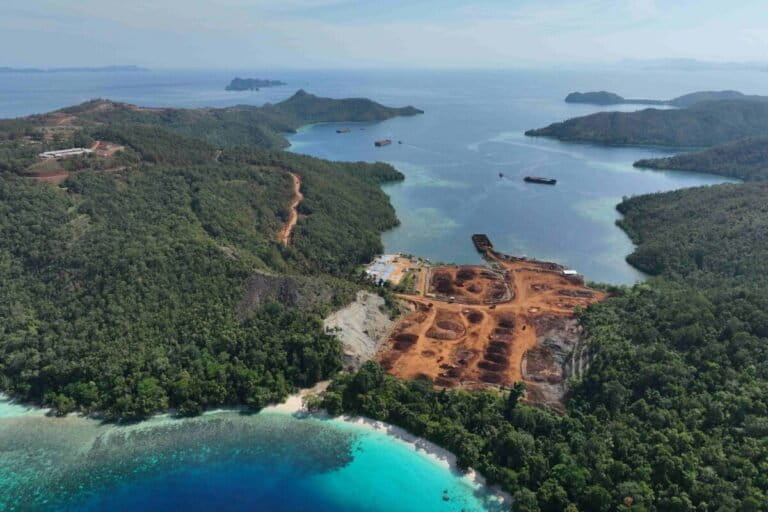
A new report by Human Rights Watch (HRW) alleges that Indonesian authorities are improperly utilizing laws to silence environmental advocates and Indigenous leaders who oppose deforestation, pollution, and land appropriation. The 70-page document scrutinizes 15 documented cases from 2015 to 2025 to illustrate how police leverage company and political grievances to prosecute activists and community leaders advocating for customary land rights.
Despite the majority of cases being initiated prior to President Prabowo Subianto's 2024 inauguration, his administration has intensified suppression of free speech. The government has notably expanded the use of military forces to facilitate state-owned mining, oil palm plantations, infrastructure development, and "food and energy estates" projects, predominantly in Sumatra, Kalimantan, Sulawesi, the Moluccas, and Papua regions.
HRW's Asia director, Elaine Pearson, expressed concern in a press release, stating that successive Indonesian governments have attempted to silence activists and Indigenous leaders protesting forced displacement, loss of customary land, and deforestation by charging them with baseless crimes. According to the report, police and prosecutors employ ambiguous provisions within the Criminal Code to accuse activists of defamation, treason, threats of violence, and even "spreading communism" in an effort to quell protests concerning environmental damage.
Employing tactics such as the Plantation Law and Mineral Law, authorities frequently cite legislation like the Plantation Law and Mineral Law to charge activists with offenses ranging from defamation to treason, threats of violence, and even "spreading communism." Interviews with 69 Indigenous individuals, villagers, environmentalists, and legal professionals revealed that authorities frequently rely on ambiguous legal provisions to charge activists with offenses like defamation, treason, threats of violence, and "spreading communism," creating a climate of fear to silence dissent over environmental harm.
Written by urgent.news from Mongabay's reporting — not their text. Machine-written — may contain errors; check the original before relying on it.