Primordial Black Holes Can Trigger Type Ia Supernovae, and Astronomers Should be Able to Find Them
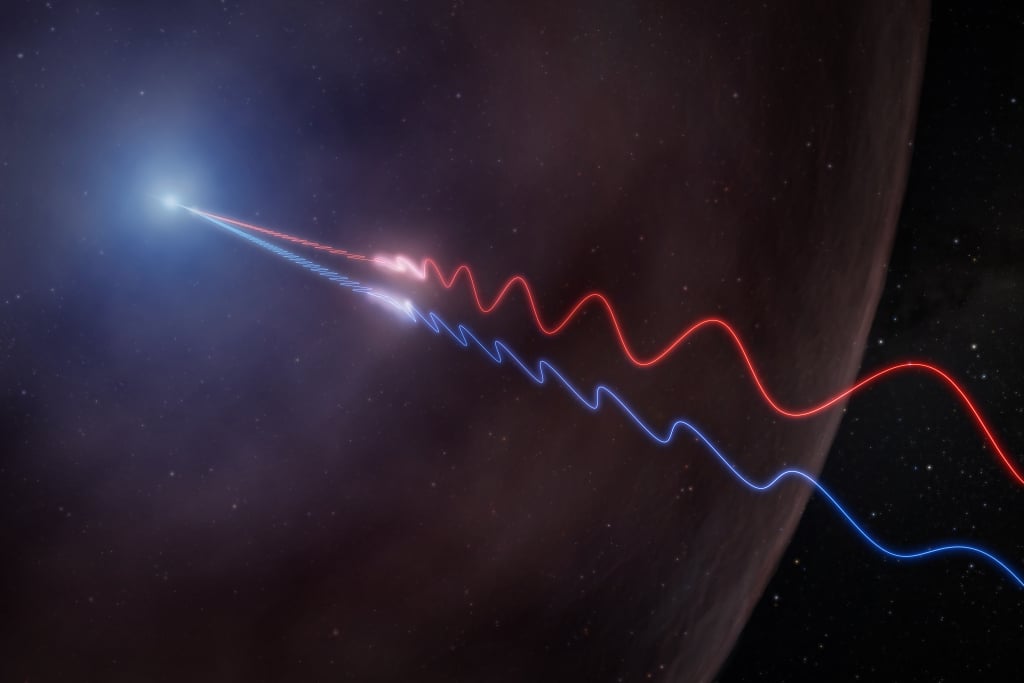
Primordial black holes (PBH) remain hypothetical, but that isn't stopping astrophysicists from figuring out how they could interact with other stellar objects. New research shows how PBHs, formed in the early Universe from collapsing pockets of dense subatomic matter instead of from stars, can enter white dwarfs. In some cases, that could've triggered a Type Ia supernova with particular chemical…
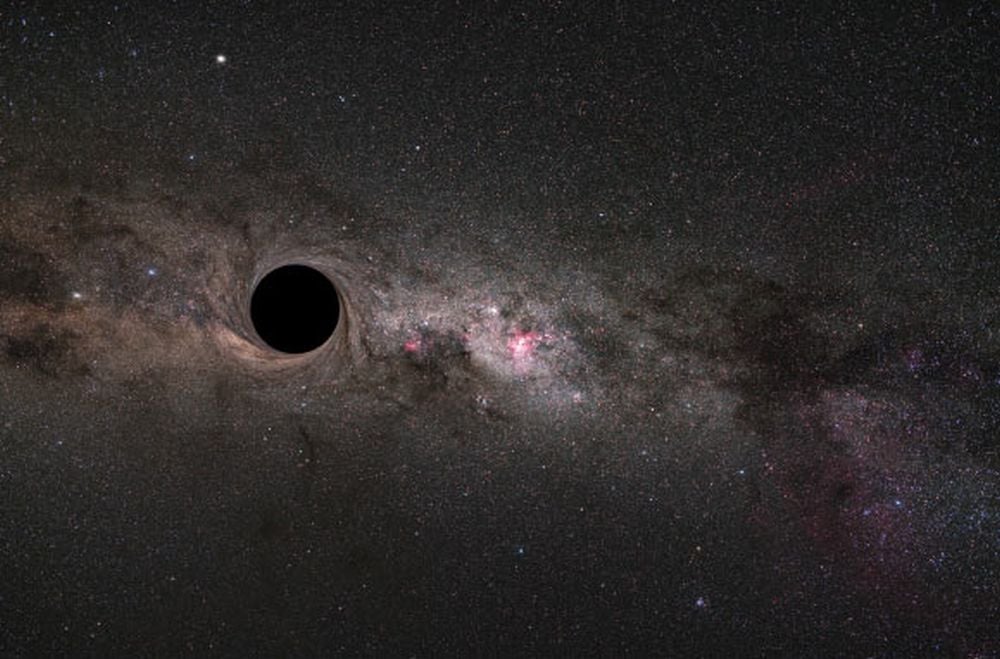
Primordial black holes (PBHs) are hypothetical, but they have generated significant interest in theoretical cosmology and astrophysics. If PBHs are real, they formed immediately after the Big Bang from direct collapse of dense clumps of subatomic matter, without needing a stellar progenitor. Researchers believe PBHs could be the prime component, or even the only component, of dark matter.
In new research titled "Primordial Black Hole Triggered Type Ia Supernovae. II. Comparison with Supernova Remnants and Galactic Chemical Evolution," lead author Shing-Chi Leung and colleagues explore how PBHs could trigger Type Ia supernovae (SNe Ia). A PBH passing through a white dwarf could create tidal heating in the white dwarf's core, potentially triggering a thermonuclear runaway that results in a Type Ia supernova.
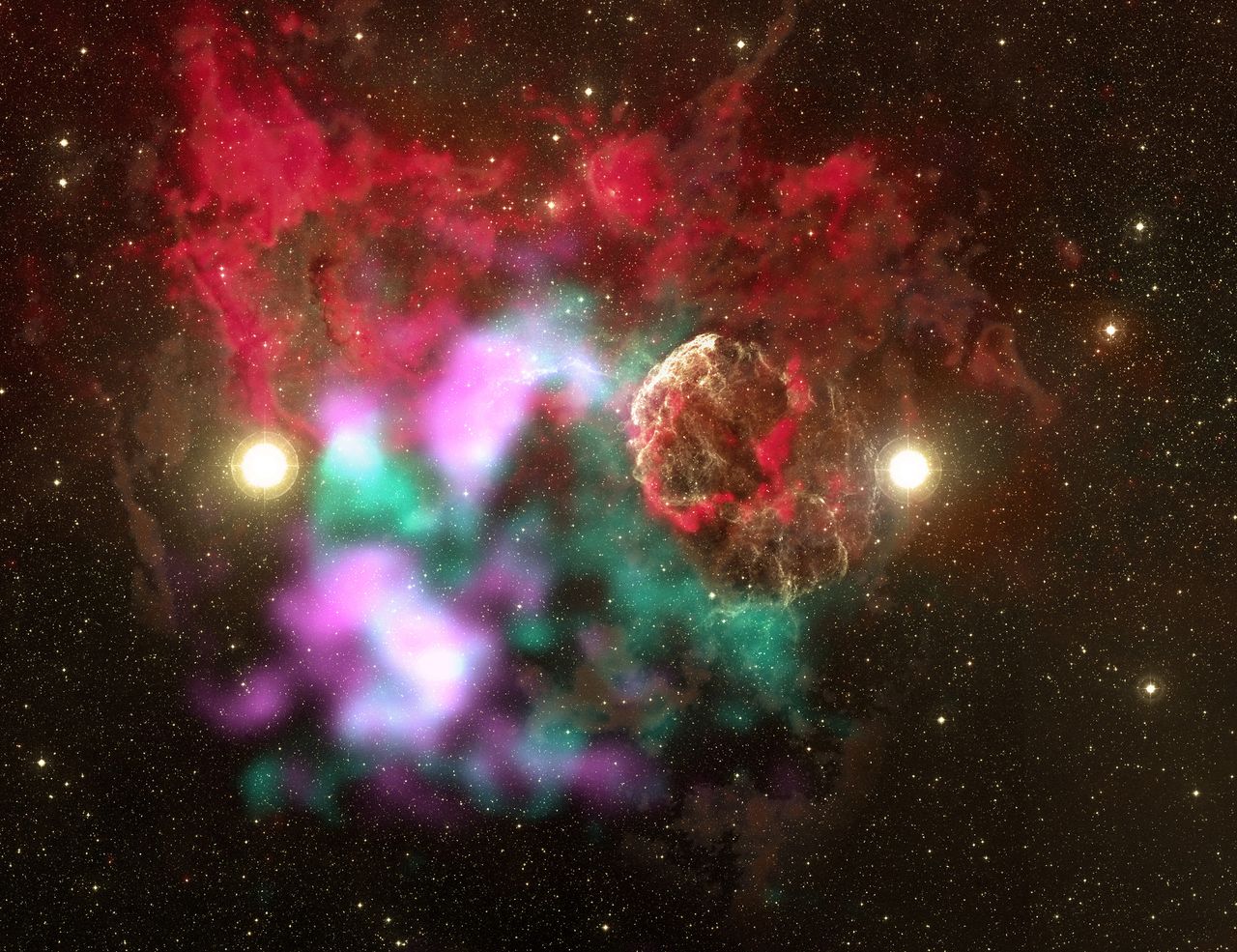
Type Ia SNe occur in binary systems, where a dense white dwarf accumulates gas from its stellar partner until it explodes. Unlike other supernova explosions, there is no remnant star left behind. The research suggests that PBH-triggered SNe Ia could leave distinct chemical fingerprints, making them identifiable through their light curves and metallicity of the SN remnants.
The researchers expanded their previous work to include a greater range of stellar metallicities and found that some observed SNe Ia match the characteristics of PBH-triggered explosions. By incorporating PBHs as a new stellar chemical source in a Galactic Chemical Evolution (GCE) model, they showed that these supernovae could have significantly contributed to the elemental abundances of high-metallicity stars.
Leung emphasized that while direct observation of PBHs remains elusive, they leave intriguing clues in nature for researchers to study their properties.
Written by urgent.news from Universe Today's reporting — not their text. Machine-written — may contain errors; check the original before relying on it.