Inside Ikea’s big bet on humans in the age of AI
After rolling out a customer service bot, the Swedish retailer is remaking—not replacing—its workforce.
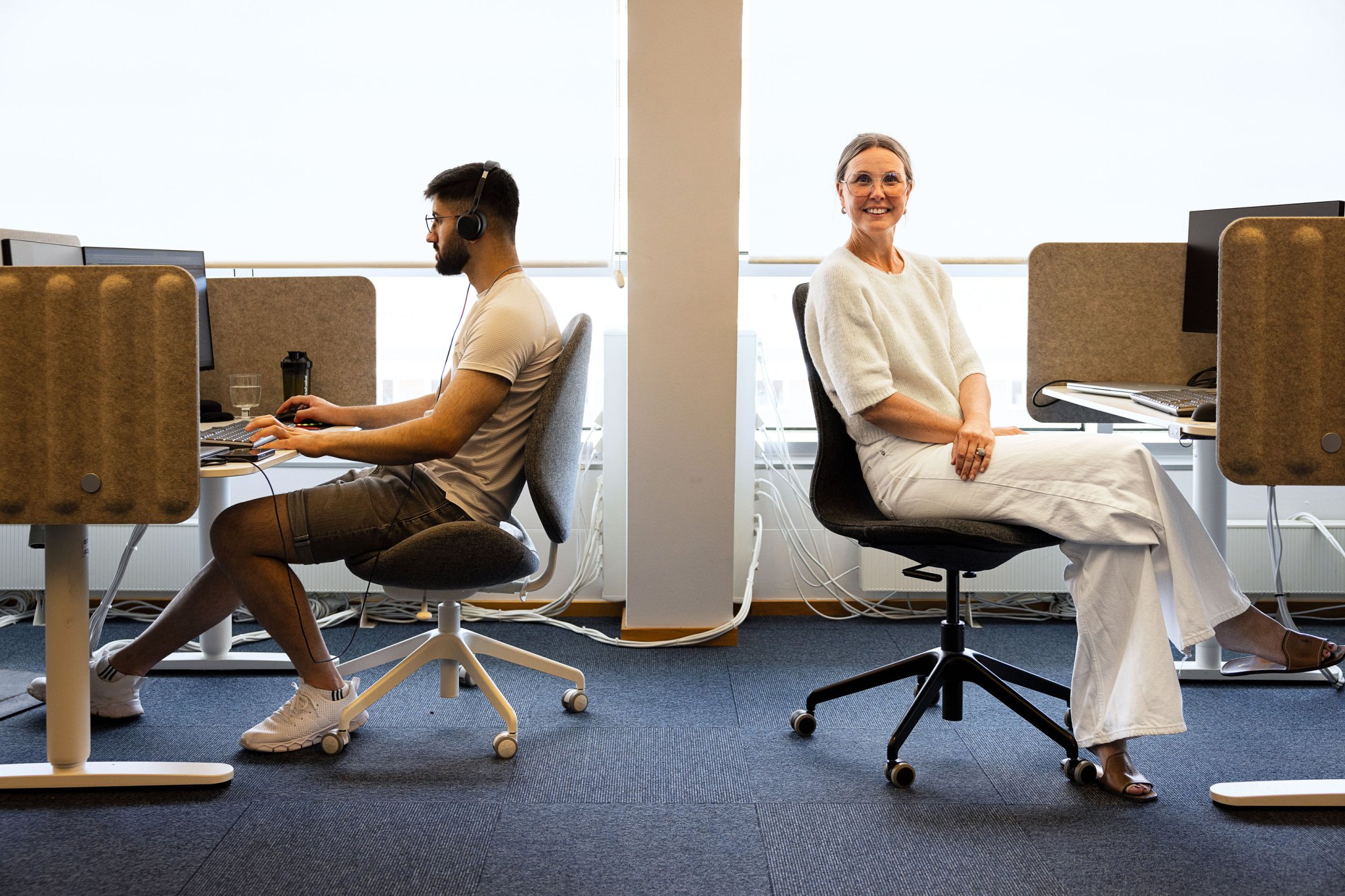
At the Ikea remote-sales center in Helsingborg, Sweden, Melanie Lindell, a senior sales representative, answered a call from a customer seeking a custom-cut hexagonal kitchen counter. The customer's unique dimensions, which no two sides were the same length, posed a challenge for AI to solve. Lindell and a senior sales specialist, Madeleine Barr, collaborated to find a solution.
After extensive discussion, they determined that extending the counter's overhang would accommodate the irregular dimensions. This personalized approach to complex customer queries has become a key part of Ikea's strategy in the age of AI. Rather than relying solely on automation to cut costs, Ikea has retrained its call center employees, now numbering around 8,500, to handle more intricate customer requests or work as design consultants.
These design advisors use their human judgment and interpersonal skills to assist customers in planning room redesigns and selecting home furnishings. As a result, Ikea's remote-sales centers have emerged as the company's fastest-growing sales channel, contributing to a 1.25 billion euro ($1.37 billion) increase in sales over the past year.
This bold approach to AI integration has paid off, with Ikea's customer happiness score rising to 89% from 60% before implementing Billie, the company's AI-powered customer service bot. The success of this human-centered strategy in the face of mounting AI disruption highlights Ikea's ability to adapt and thrive in an increasingly automated world.
Written by urgent.news from Fortune's reporting — not their text. Machine-written — may contain errors; check the original before relying on it.