How a super El Niño affects the global climate
On June 11, the National Oceanic and Atmospheric Administration issued an El Niño advisory after temperatures in the equatorial Pacific Ocean remained higher than average for several months. Declaring an El Niño isn’t out of the ordinary, as they happen in cycles every two to seven years. But this one could be extraordinary. Some are […]
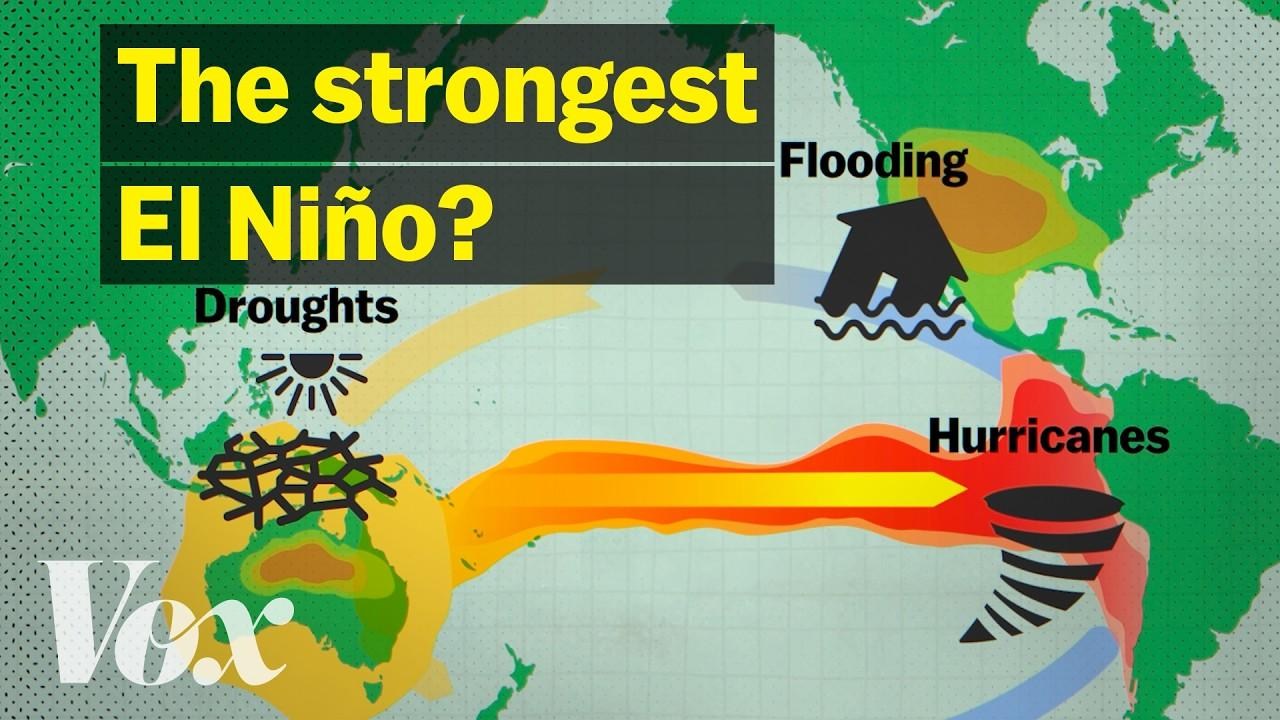
On June 11, the National Oceanic and Atmospheric Administration (NOAA) declared an El Niño advisory after monitoring temperatures in the equatorial Pacific Ocean. While El Niños occur regularly every two to seven years, this particular event may be exceptional, with NOAA forecasting an 81% likelihood that it will evolve into a "very strong" phase. This anticipated "super" or "Godzilla" El Niño could rival the historic and destructive El Niños of 1982-1983 and 1997-1998.
Experts predict that the super El Niño is likely to peak during the winter season and could persist into 2027. This extended duration and intensity will bring about potential extreme weather events, such as increased heat and rainfall. Despite these predictions, the true impact of this super El Niño remains uncertain, as climate models are unable to definitively forecast the full extent of its effects.
During an interview with atmospheric scientists and meteorologists, researchers explained the formation of a super El Niño and its global climate implications. They also discussed the various weather changes that we can expect in the coming months. For further information, interested readers can consult the NOAA's El Niño page, the Vox podcast on the "Godzilla El Niño," and the World Meteorological Organization's seasonal outlook for El Niño heat and rainfall.
Written by urgent.news from Vox's reporting — not their text. Machine-written — may contain errors; check the original before relying on it.