Finland's ageing caregivers: "I never thought of not caring for him"
Thousands of elderly people are caring for loved ones well into their own 80s and 90s—with many unaware of the support available to them.
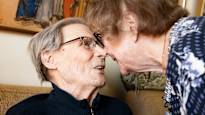
At 93, Helka Kivelä dedicates her days to caring for her 96-year-old husband, Jussi, in their Järvenpää apartment. Helka took on the role of full-time caregiver after Jussi suffered a stroke during a Sunday walk in 2017. The retired army colonel now struggles with hearing and mobility, drastically altering their retirement plans.
With Finland's aging population, the number of caregivers is expected to double within two decades. A quarter of these caregivers are elderly women, often caring for their spouses, as noted by Carers Finland's executive director, Sari Tervonen. Many caregivers are in better cognitive health than their care recipients, but may still grapple with their own physical ailments.
Informal care saves the society money, but experts warn it's replacing publicly provided home care. THL chief specialist Sari Kehusmaa warns this trend is worrisome. Helka's caregiving allows her to run errands, like grocery shopping, thanks to weekly home-care staff visits. She often takes naps during these intervals. Finland's informal care scheme offers eligible caregivers a monthly allowance of at least €530, with additional respite days.
However, many caregivers are unaware of the available support and how to access it. Despite the challenges, Helka finds joy in welcoming her children, grandchildren, and great-grandchildren to their home.
Written by urgent.news from Yle News Finland's reporting — not their text. Machine-written — may contain errors; check the original before relying on it.