What’s so special about a 2% inflation target?
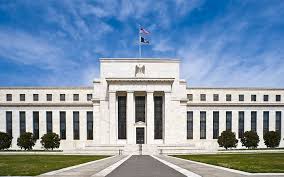
It’s Fed Day again, and the Fed has to deal with inflation rates that remain stubbornly above its 2% target.
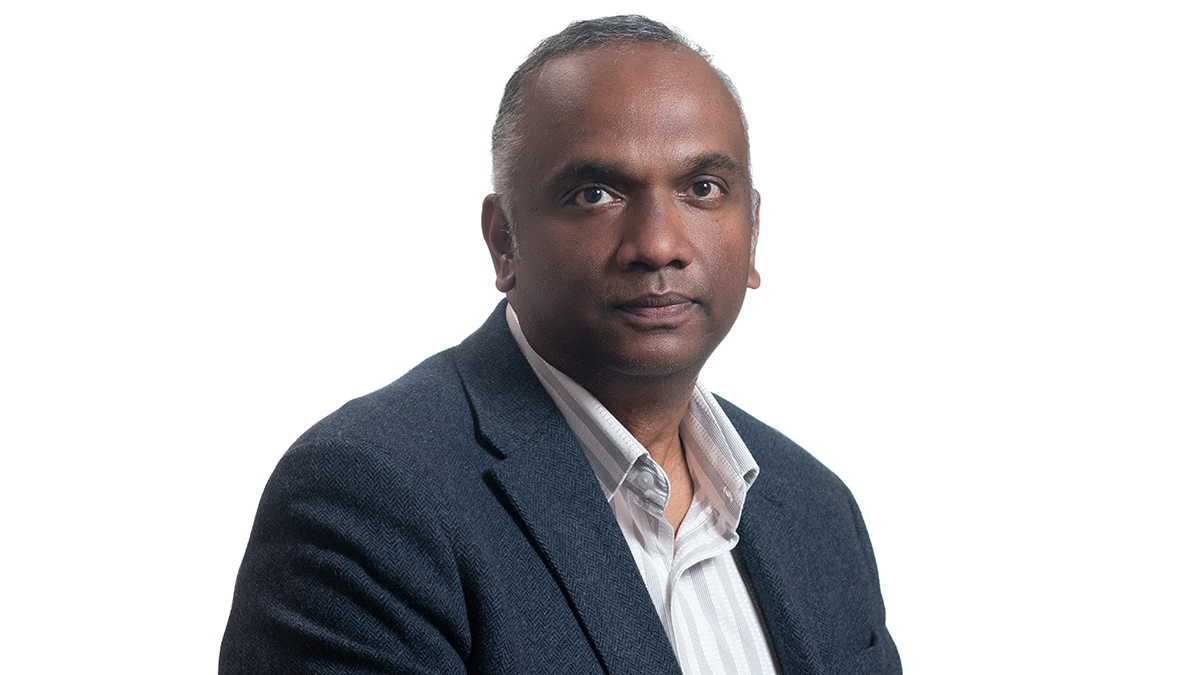
The Federal Reserve (Fed) is once again grappled with inflation rates that persistently exceed its 2% target. Engin Kara, a researcher from Cardiff University, presents a compelling counterargument regarding the appropriateness of a 2% inflation target. Kara contends that the US and Western European economies will experience higher inflation over the next decade due to two key factors: an aging population and declining workforce leading to labor shortages, and the end of globalization.
These factors are projected to increase the average annual inflation rate by approximately 0.5 percentage points over the coming decade.
Kara's calculations suggest that structural inflation should be roughly one percentage point higher in the next decade compared to the previous two decades, potentially reaching a "natural rate of inflation" of around 3%. Despite concerns about runaway inflation, businesses and financial markets can withstand inflation rates between 0% and 4%. Inflation surpassing 4% to 5% could adversely affect businesses by causing demand declines and squeezing profit margins as they struggle to pass on rising input costs to consumers.
Kara's research, based on UK consumer product prices from 2003 to 2021, reveals that once price increases surpass 1.9%, businesses tend to adjust their pricing strategies based on competitor actions. This "herd behavior" in price increases can fuel inflation trends and create a self-reinforcing inflation loop. The researcher acknowledges that this observation is based on past business behavior during periods of low and steady inflation under a 2% inflation target.
He questions whether businesses would respond differently if the inflation target were set at 3%, and how their behavior would have changed during the 2022-2023 inflationary episode or the 1970s. Further analysis is needed to address these questions.
Written by urgent.news from Klement on Investing's reporting — not their text. Machine-written — may contain errors; check the original before relying on it.