The EU might weaken its landmark climate law — the ‘most impactful’ in the world
Lawmakers in Europe have proposed rolling back the bloc's cap-and-trade program, long considered the gold standard for reducing companies' carbon emissions.
The European Union's landmark climate law, the Emissions Trading System (ETS), which has been hailed as the most impactful climate policy globally, may face weakening due to proposed changes by the European Commission. EU policymakers aimed to reduce industrial carbon emissions by 50% since 2005, but the latest updates have stirred concerns among experts.
Wijnand Stoefs, EU policy lead for Carbon Market Watch, compared the day of the proposals to Black Friday, expressing alarm over the potential consequences. Stoefs and other policy experts argue that the proposed revisions - encompassing slower emissions reductions and lenient treatment for major polluters - will undermine the ETS.
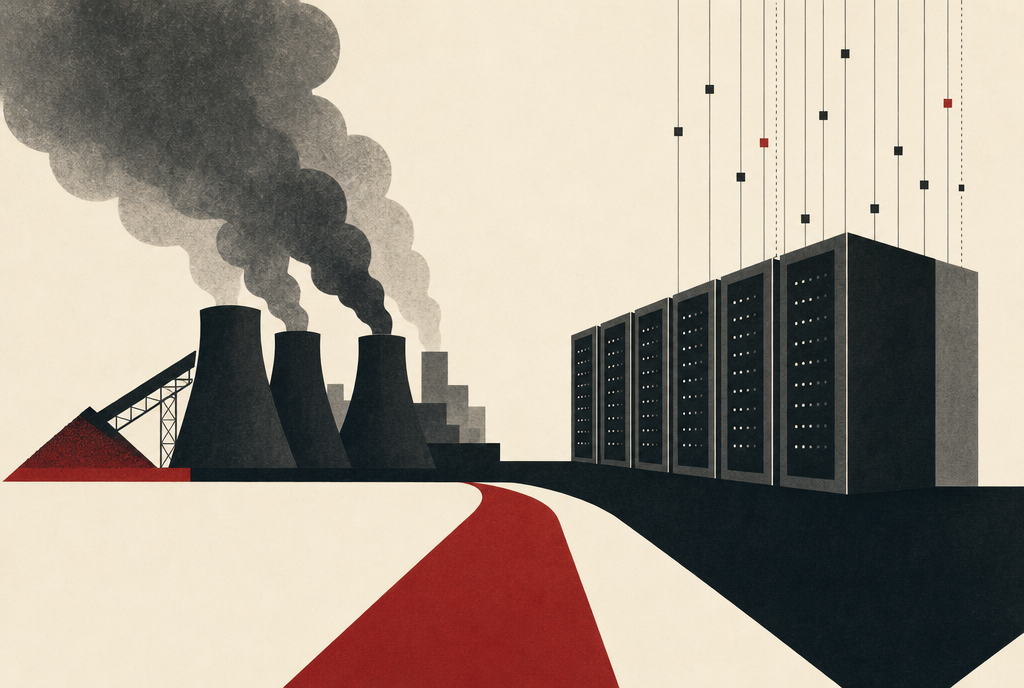
The ETS, established in 2005, sets a cap on carbon emissions for approximately 10,000 EU oil refineries, power stations, and other companies, representing 40% of the bloc's total climate pollution. Companies are required to purchase "allowances" to cover their emissions, which gradually decrease each year, compelling businesses to reduce emissions.
The European Commission's latest proposal would delay the timeline to achieve net-zero emissions, from 2039 to 2040. Instead of a 4.4% annual reduction in emissions between 2031 and 2035, the commission suggests a 3.7% reduction, followed by just 1.7% thereafter. This proposal has been criticized as it would allow companies to emit roughly 2 billion metric tons more carbon pollution than the previous plan, exacerbating climate change.
Moreover, the commission also intends to continue providing free emissions allowances to certain companies, potentially incentivizing them to delay decarbonization and amass significant profits. This move has raised concerns about the ETS's effectiveness in achieving the EU's climate objectives and its potential to embolden industry groups to weaken cap-and-trade systems in other jurisdictions.
Written by urgent.news from Grist's reporting — not their text. Machine-written — may contain errors; check the original before relying on it.