In an era defined by AI, can work still be measured by the clock?
Hwaseong, South Korea, past midnight. An engineer watches a defect pattern surface on her screen – the kind that, caught now, saves a week of wafers. She is locked in, fully absorbed, the way engineers get when a breakthrough is close. But she has to go home. The law says so. Yet something is disrupting the clock she races against. Artificial intelligence is quietly rewriting what her hours are…
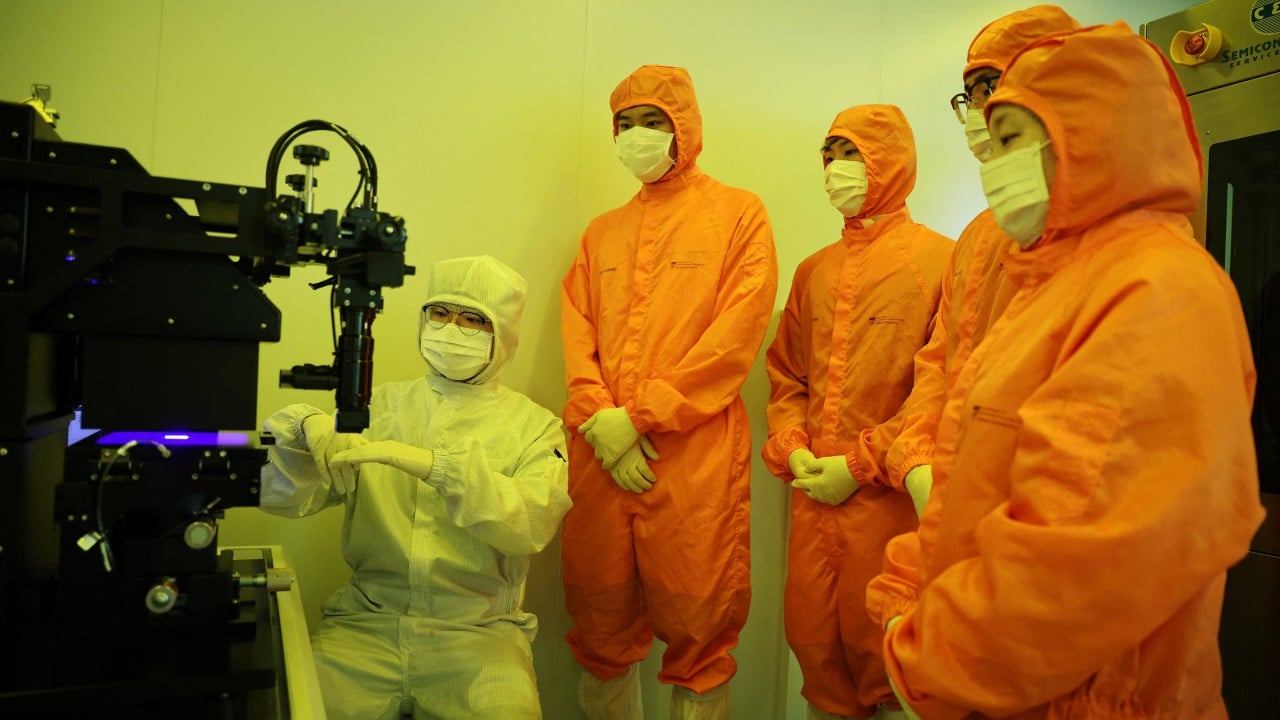
In an age where artificial intelligence reshapes work, the traditional measure of time spent remains insufficient, South Korea grapples with the question of how to value labor. Hwaseong city, under a moonlit sky, an engineer stares at her screen, detecting a defect pattern that could save weeks of production. However, she must leave work.
South Korean law dictates that she must return home. Yet, AI is eroding the significance of the clock that once dictated work. On June 29, President Lee Jae Myung announced an 800 trillion won (US$548 billion) semiconductor initiative, seen as one of the largest economic plans in history. Nevertheless, the conversation soon shifted to the constraints imposed by labor laws.
Newspapers rallied around a common theme: prior to further investment, the existing limits on workers to a 52-hour week must be addressed. President Lee reportedly encouraged officials to work late if necessary, aiming to expedite licensing procedures. While this may appear a commendable effort to progress national objectives, engineers who form the backbone of chip development continue to be bound by these outdated labor regulations.
The origins of the 52-hour work limit predate the law itself. In the past, the factory system equated workers' value to their clock time, with presence equating to productivity. This notion was enshrined in Korean labor law during the 1950s, fueling rapid growth known as the "Miracle on the Han River." The clock quantified work.
With AI, this premise is being called into question. Engineers empowered by advanced tools can resolve issues that once required months of collaborative effort. Consequently, the question "how many hours were you working?" no longer holds true significance. In sales, performance was long measured by revenue, not hours logged; a trend now extending to engineering, research, and design realms.
The clock is becoming an ineffective tool for gauging work. The factory initially established time as value. AI is dismantling this concept. Market adaptations have already begun. In 2022, a study by McKinsey revealed that 36% of US workers engaged in independent, outcome-based arrangements, up from 27% in 2016. This shift is gaining momentum across Asia's knowledge economy.
However, labor laws have remained stagnant. Innovation history demonstrates that breakthrough work rarely adheres to a schedule. Labour laws can prevent abuse but cannot orchestrate discovery. While labor laws are well-intentioned, they are powerless to regulate discovery. Labor laws safeguard against exploitation, but they fail to differentiate between systemic exploitation and isolated productivity surges.
The law measures time, not value. South Korea, a pioneer in confronting this issue, must weigh whether hours alone constitute the appropriate measure of worker protection. As the world transitions to an outcome-driven economy, Asia's labor laws, crafted for the 20th century, are falling behind. The engineer in Hwaseong will return to her screen tomorrow at the same hour, only to discover another defect pattern.
South Korea has invested over half a trillion dollars in the semiconductor sector. How long can Asia continue to disregard technology's impact on the traditional concept of work?
Written by urgent.news from SCMP Tech's reporting — not their text. Machine-written — may contain errors; check the original before relying on it.